In the realm of industrial automation, robotics, consumer electronics, and smart systems, the ability to detect the presence, absence, or distance of an object without physical contact is fundamental. This capability is enabled by proximity sensors, and the process of gathering and interpreting their signals is known as proximity sensor data acquisition. This process forms a critical bridge between the physical world of objects and the digital world of control and analysis.
At its core, a proximity sensor emits a field or a beam of electromagnetic radiation, such as infrared light, ultrasonic sound waves, or an electromagnetic field. It then looks for changes in the return signal or the field. The nature of the change—be it the time delay of an echo, the intensity of reflected light, or the disturbance in a magnetic field—correlates to the presence and distance of a target object. The raw output from these sensors is typically an analog signal—a continuously varying voltage or current—that must be converted into a precise, digital value that a microcontroller or processor can understand and act upon. This conversion is the heart of data acquisition.
The data acquisition chain for a proximity sensor involves several key stages. First, the sensor's often weak and noisy analog signal must be conditioned. This involves amplification to bring the signal to a usable voltage range and filtering to remove unwanted electrical noise from the environment that could obscure the actual measurement. Following conditioning, the signal enters an Analog-to-Digital Converter (ADC). The ADC samples the continuous analog signal at a specific rate and converts each sample into a discrete digital number. The resolution of the ADC, measured in bits (e.g., 12-bit, 16-bit), determines the fineness of the distance measurement. A higher resolution allows for detecting smaller changes in proximity.
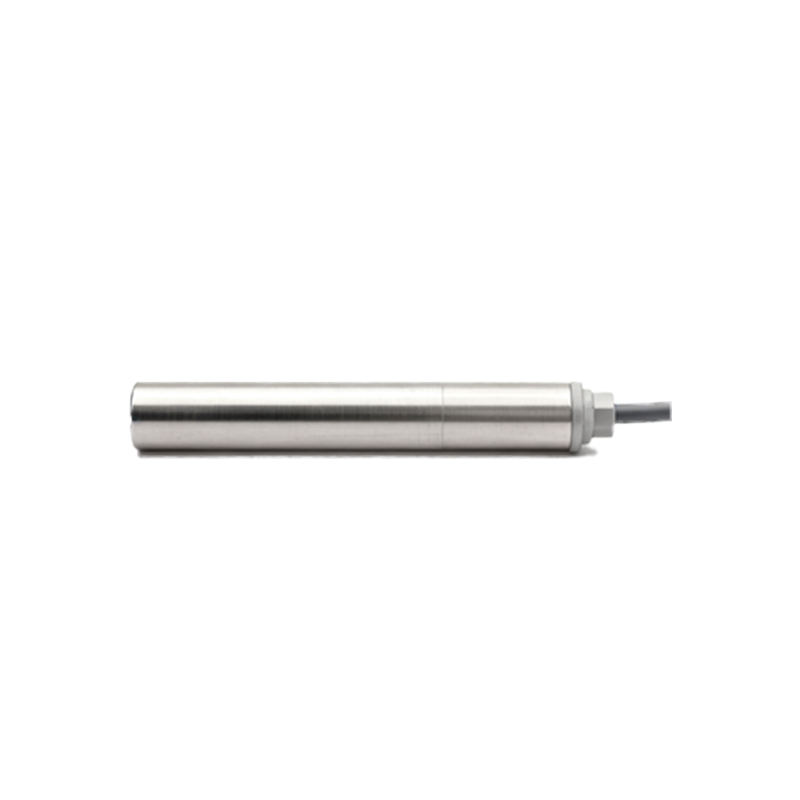
The choice of sensing technology directly influences the acquisition methodology. Inductive sensors, which detect metallic objects, output a simple digital on/off signal or a scaled analog voltage proportional to distance within their sensing range. Their data acquisition is relatively straightforward, often requiring minimal signal conditioning. Capacitive sensors, sensitive to both metallic and non-metallic materials, can be more susceptible to environmental factors like humidity, necessitating careful calibration and stable power supplies during acquisition.
Ultrasonic sensors measure the time-of-flight of a sound pulse. The acquisition system must precisely time the interval between pulse emission and echo reception. This requires a fast microcontroller or dedicated timing circuitry to achieve accurate distance calculations, especially for rapidly moving objects. Infrared (IR) proximity sensors, common in devices like smartphones, often use modulated IR light to avoid ambient light interference. Their acquisition circuits are designed to synchronize with this modulation, extracting the relevant signal while rejecting background IR noise.
Once digitized, the data enters the domain of software and processing. Simple thresholding can turn a distance reading into a binary "object present/absent" command. For more complex applications, software algorithms come into play. Averaging multiple samples smooths out transient noise. Advanced filtering techniques, like Kalman filters, can be employed to predict an object's position based on previous readings, providing stable tracking even with noisy sensor data. This processed data is then used for real-time control decisions, such as stopping a robotic arm, triggering an alarm, or adjusting the display on a phone.
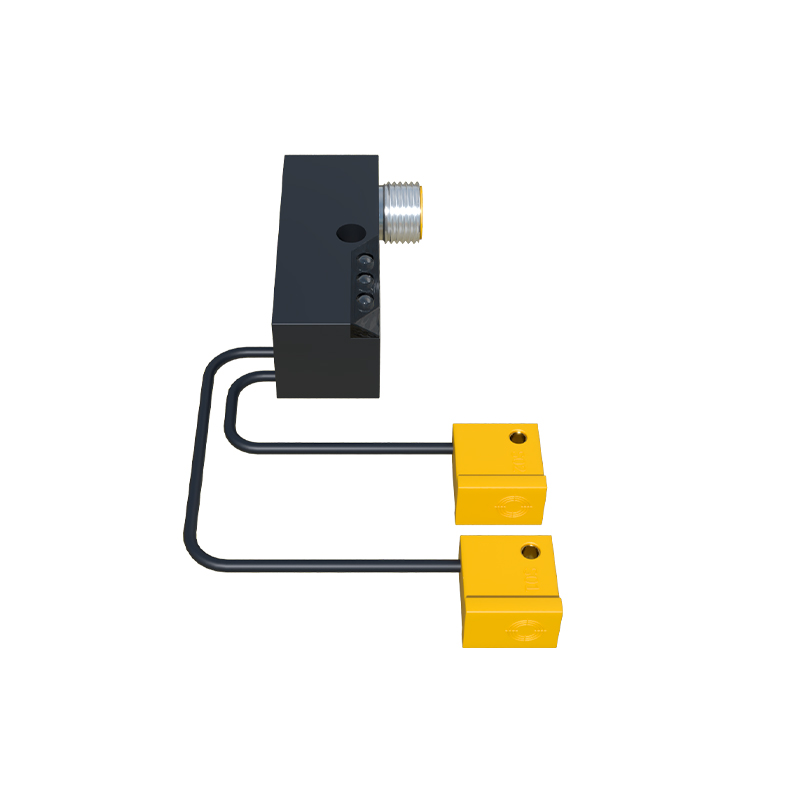
The applications of proficient proximity data acquisition are vast. In automotive manufacturing, inductive sensors on robotic welders acquire precise positional data to ensure consistent weld quality. On assembly lines, photoelectric sensors acquire data to count objects and verify their presence for quality control. In consumer devices, the acquisition of data from IR sensors enables features like automatic screen dimming during a phone call. In smart buildings, ultrasonic sensors acquire occupancy data to control lighting and HVAC systems efficiently, promoting energy savings.
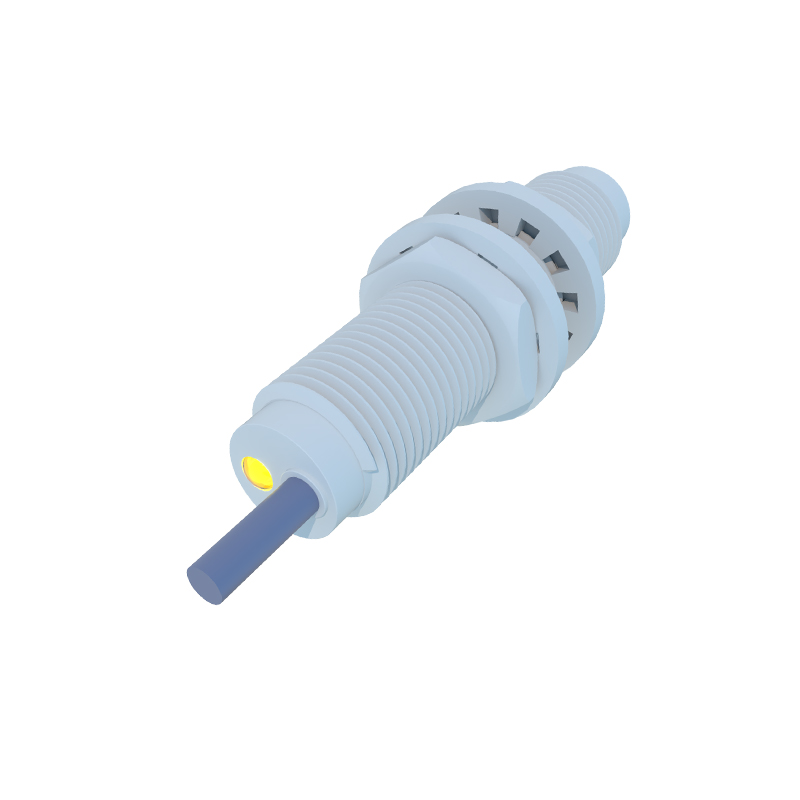
Successful implementation requires careful consideration of several factors. The sampling rate of the acquisition system must be high enough to capture the fastest changes in proximity relevant to the application. Environmental challenges—such as dust affecting optical sensors, acoustic noise affecting ultrasonic sensors, or temperature drift affecting electronic components—must be mitigated through sensor selection, housing, and signal processing. Furthermore, calibrating the sensor and its acquisition chain against known distances is crucial for ensuring measurement accuracy over time and across different units.
In conclusion, proximity sensor data acquisition is far more than just reading a voltage. It is a systematic engineering discipline involving physics, electronic circuit design, digital conversion, and software algorithms. It transforms the subtle analog phenomena of field disturbance into robust, reliable digital information that drives automation and intelligence in countless systems. As the demand for smarter, more responsive machines and devices grows, the principles of effective and accurate data acquisition from proximity sensors will remain a cornerstone of technological innovation.