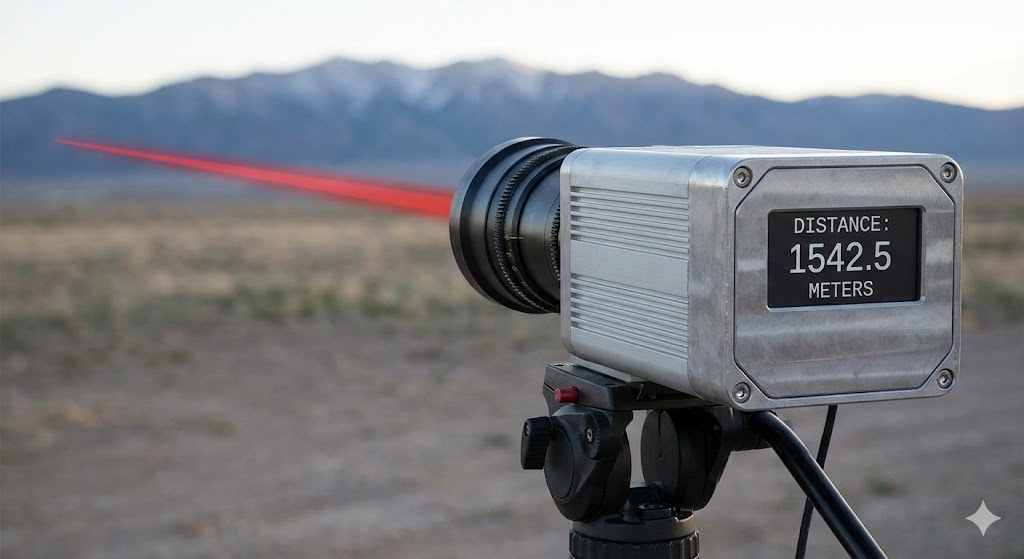
Laser sensors are integral components in modern automation, industrial safety, and precision measurement systems. At the heart of their reliable operation lies a critical parameter: the sensor threshold. This threshold, often a configurable setpoint, determines the point at which the sensor's output state changes in response to the detected laser signal. Properly setting and understanding this threshold is paramount for ensuring accuracy, preventing false triggers, and maintaining system integrity.
Fundamentally, a laser sensor emits a focused beam of light towards a target. The photodetector within the sensor then measures the intensity of the reflected or received light. The raw signal from this detector is an analog value, continuously varying with the amount of light returned. The threshold acts as a digital gatekeeper. When the received signal strength crosses above (or below, depending on the configuration) this predefined threshold level, the sensor's digital output switches—for instance, from a LOW to a HIGH state, signaling the presence or absence of an object.
Several key factors directly influence the optimal setting of a laser sensor's threshold. The first is target characteristics. The reflectivity, color, and surface texture of the target object significantly affect how much laser light is returned to the sensor. A highly reflective, light-colored target will produce a strong return signal, while a dark, matte, or absorbent surface will result in a weak signal. The threshold must be set high enough to ignore background noise and low enough to reliably detect the weakest acceptable target.
Environmental conditions constitute another major factor. Ambient light, particularly from sources like sunlight or high-intensity discharge lamps, can introduce noise into the sensor's photodetector. Dust, fog, or steam in the air can scatter and attenuate the laser beam, reducing the effective signal strength. In such conditions, the threshold may need adjustment, or sensors with specialized modulation techniques to filter out ambient light are recommended.
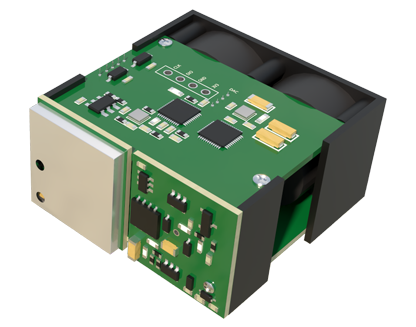
Distance to the target, or the sensing range, is intrinsically linked to threshold setting. Due to the inverse-square law, the intensity of the reflected light diminishes with the square of the distance. A sensor calibrated for a target at 10 centimeters may fail to detect the same target at 50 centimeters because the return signal falls below the fixed threshold. Many modern sensors feature automatic or teach-in threshold setting functions that account for the specific installation distance and target.
Improper threshold configuration leads to two primary operational failures. A threshold set too low makes the sensor overly sensitive. It may trigger on background noise, ambient light fluctuations, or even dust particles passing through the beam. This results in false positives, where the sensor indicates an object's presence when none exists, potentially causing unnecessary machine stoppages or faulty data logging. Conversely, a threshold set too high renders the sensor insensitive. It may fail to detect a valid target, especially if the target has low reflectivity or is at the far end of the sensing range. This results in false negatives, which can be catastrophic in safety applications or lead to missed counts in production.
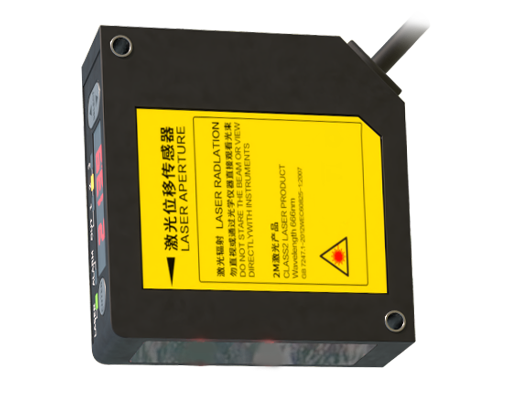
Best practices for setting laser sensor thresholds involve a methodical approach. First, install the sensor in its intended operational position with the standard target present. Utilize the sensor's 'teach' function if available; this function typically records the signal strength with the target present and absent, then calculates a robust median threshold. If setting manually, observe the sensor's signal strength indicator (often an LED bar graph or a value in monitoring software) with the target in place and removed. Set the threshold approximately midway between these two observed values to provide a sufficient signal-to-noise margin, often called a hysteresis band. Finally, test the setup under worst-case conditions, such as with the least reflective target, maximum operating distance, and expected environmental interference, to validate reliability.
Advanced laser sensors incorporate features to enhance threshold management. Background suppression technology uses triangulation to measure distance rather than pure reflectivity, making the threshold less dependent on target color. Constant intensity control circuits automatically adjust the laser's output power to maintain a consistent return signal, stabilizing performance across varying targets. Digital sensors with serial communication allow for dynamic threshold adjustment via software, enabling adaptive systems that can change parameters for different products on a production line.
In conclusion, the laser sensor threshold is not merely a static setting but a dynamic interface between the physical world and the digital control system. Its correct calibration is a cornerstone of sensor performance, balancing sensitivity and stability. By comprehending the interplay between target properties, environmental factors, and sensing range, engineers and technicians can optimize these thresholds. This ensures that laser sensors deliver the precise, reliable detection required for efficient automation, rigorous quality control, and uncompromised safety in increasingly complex industrial landscapes.