In modern industrial automation and precision measurement, the laser end sensor stands as a critical component. This device, often compact and highly reliable, operates by projecting a focused beam of light onto a target object. The core principle involves the emission of laser light from a diode, which is then collimated into a tight, coherent beam. When this beam strikes the surface of an object, the reflected light is captured by a receiver within the sensor. By analyzing the properties of this returned light—such as its intensity, the angle of reflection, or the time it takes to return—the sensor can determine the presence, position, distance, or even the profile of the target with remarkable accuracy.
The advantages of using laser end sensors are numerous. They offer non-contact measurement, which eliminates wear and tear on both the sensor and the target object. This is particularly valuable for delicate materials or high-speed production lines where physical contact could cause damage or inefficiency. Furthermore, their high precision and fast response times make them indispensable in applications requiring micron-level accuracy. Unlike other optical sensors, the coherent nature of laser light allows for precise focusing over long distances and minimal interference from ambient light, ensuring stable performance even in challenging industrial environments.
A wide array of industries leverages the capabilities of laser end sensors. In manufacturing, they are pivotal for tasks such as edge detection, thickness measurement, and part positioning on assembly lines. The automotive sector uses them for robot guidance, weld seam tracking, and inspecting component dimensions. In electronics, these sensors ensure the precise placement of microchips on circuit boards. Beyond traditional industry, they find roles in logistics for parcel dimensioning, in agriculture for sorting produce by size, and in research laboratories for intricate experimental setups.
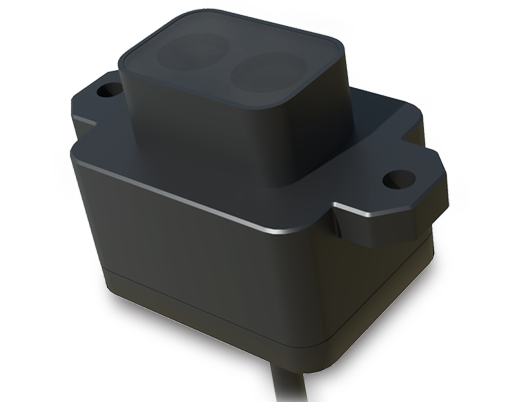
When selecting a laser end sensor for a specific application, several key parameters must be considered. The measuring range defines the minimum and maximum distances over which the sensor can operate effectively. Resolution refers to the smallest change in position the sensor can detect, crucial for high-precision tasks. The spot size, or the diameter of the laser beam at the target, affects the measurement's fineness; a smaller spot allows for more detailed profiling. Response time determines how quickly the sensor can output a reading, which is vital for high-speed processes. Environmental factors like temperature fluctuations, dust, vibration, and exposure to chemicals also dictate the required housing class and protection rating (e.g., IP67).
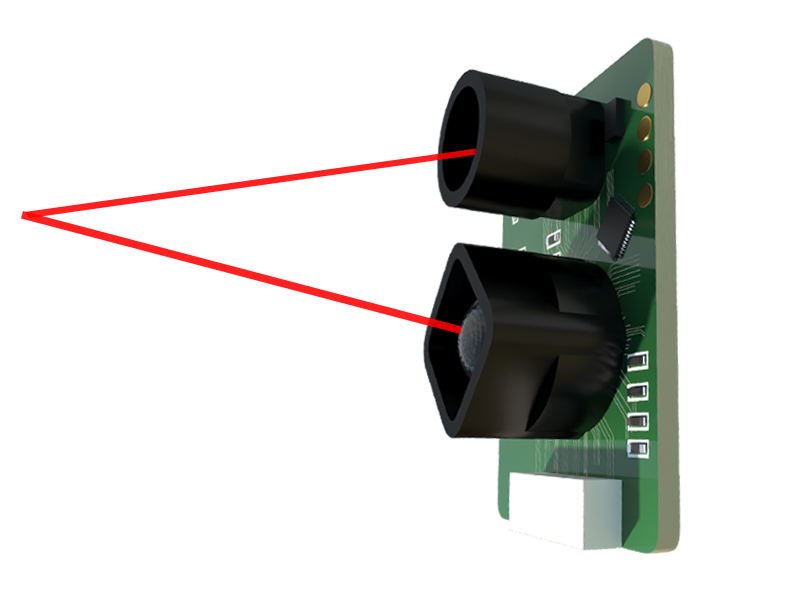
Installation and alignment are critical for optimal performance. The sensor must be mounted securely to minimize vibration. The laser beam should be aligned perpendicular to the target surface for most distance-measuring applications to ensure the strongest signal return. Users must also consider the target's properties; highly reflective, transparent, or dark absorbent surfaces can affect the signal and may require sensors with specialized background suppression or diffuse reflection technology. Regular maintenance, primarily keeping the lens clean from dust and debris, is simple but essential for sustained accuracy.
Looking ahead, the evolution of laser end sensor technology continues. Trends point toward miniaturization, allowing sensors to fit into increasingly compact machinery. Enhanced connectivity through Industrial Internet of Things (IIoT) protocols enables seamless integration into smart factory networks for predictive maintenance and data analytics. Furthermore, the development of blue laser technology offers advantages for measuring on challenging surfaces like copper or transparent materials, where traditional red lasers may struggle. As industries push for greater automation, precision, and efficiency, the laser end sensor will undoubtedly remain a cornerstone technology, adapting and advancing to meet the ever-growing demands of modern production and measurement.