In the realm of industrial automation and precision engineering, laser focus sensors have emerged as a critical technology for non-contact measurement and inspection. These sophisticated devices utilize the principle of optical triangulation or confocal measurement to determine the precise distance to a target surface with exceptional accuracy. Unlike traditional contact probes, laser sensors operate without physical touch, eliminating wear and tear and enabling high-speed measurements on delicate, hot, or moving surfaces. The core mechanism involves projecting a focused laser beam onto the target. The reflected light is captured by a high-resolution receiver, such as a CCD or CMOS array. By analyzing the position of the reflected spot, the sensor's internal processor calculates the exact distance or displacement. This process occurs in microseconds, allowing for real-time monitoring and control in dynamic production environments.
A key advantage of laser focus sensors is their remarkable resolution, often reaching the sub-micron level. This makes them indispensable in applications like semiconductor wafer inspection, precision machining, and 3D surface profiling. In electronics manufacturing, for instance, they verify the coplanarity of ball grid arrays (BGAs) and measure solder paste thickness. The automotive industry relies on them for gap and flush measurement between body panels, ensuring quality and aesthetic consistency. Furthermore, their ability to measure transparent objects, like glass or plastic films, using specialized confocal chromatic models, expands their utility in packaging and display production.
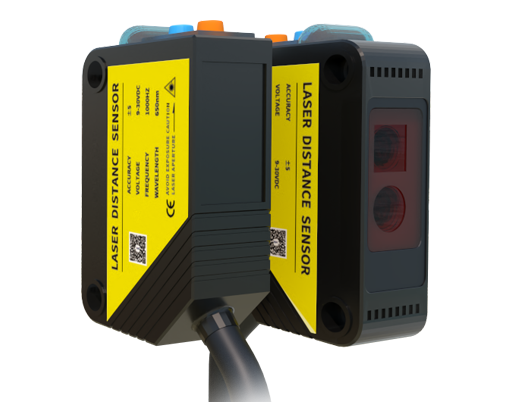
Selecting the appropriate laser focus sensor requires careful consideration of several parameters. The measuring range, spot size, and stand-off distance must match the application's needs. A smaller spot size enables measurements on intricate features, while a larger range offers more flexibility. The type of target material significantly influences performance; highly reflective or dark, absorptive surfaces may require sensors with automatic gain control or specific wavelength lasers to ensure reliable signal return. Environmental factors like ambient light, dust, and vibration must also be accounted for, often necessitating sensors with robust housings and integrated filtering algorithms.
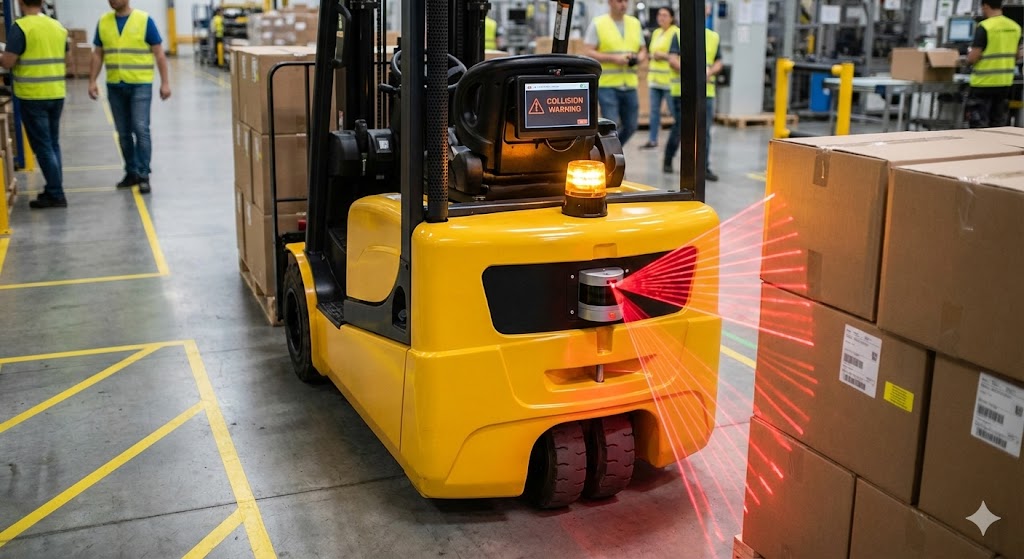
Modern advancements have integrated these sensors with smart features. Many models now offer digital interfaces like Ethernet/IP, PROFINET, or IO-Link, facilitating seamless integration into Industry 4.0 and IoT frameworks. This connectivity allows for centralized data logging, predictive maintenance alerts, and adaptive process control. Software suites accompanying these sensors enable easy configuration, visualization of measurement profiles, and statistical analysis, empowering engineers to optimize production lines without deep programming expertise.
Despite their robustness, optimal performance hinges on correct installation and calibration. Ensuring the sensor is mounted stably, perpendicular to the target area, and free from external shock is paramount. Regular calibration against certified reference standards maintains long-term accuracy. As industries increasingly demand higher precision, faster throughput, and more comprehensive data, laser focus sensors continue to evolve. Emerging trends include miniaturization for integration into compact robotic systems and the development of multi-point sensors that capture entire surface contours in a single scan, pushing the boundaries of what is possible in automated metrology and quality assurance.
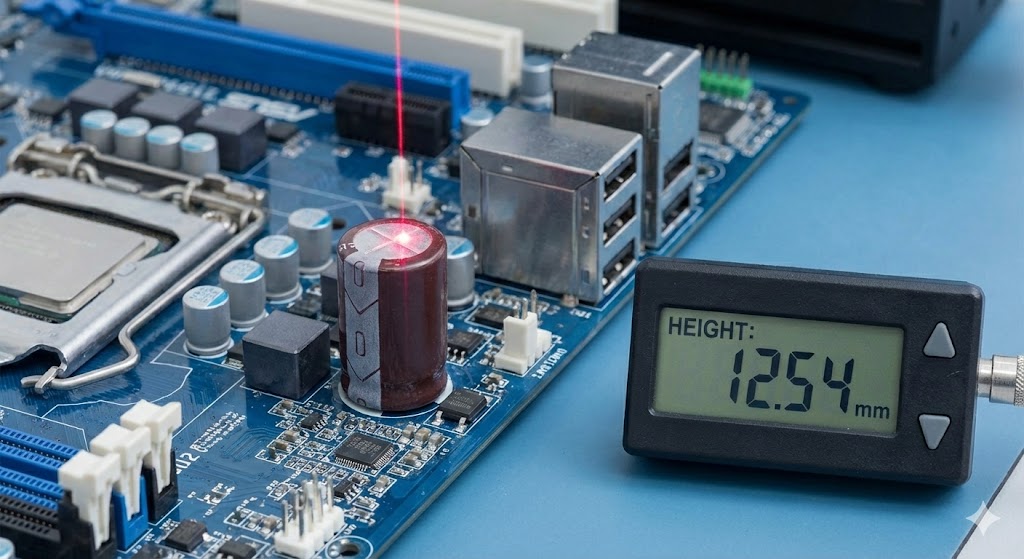
In conclusion, laser focus sensors represent a cornerstone of modern precision measurement. Their non-contact nature, high speed, and extreme accuracy solve complex challenges across manufacturing and research. By providing reliable, repeatable data, they not only enhance product quality but also drive efficiency, reduce waste, and enable the realization of increasingly sophisticated automated systems. As technology progresses, their role in enabling smarter, more agile manufacturing will undoubtedly continue to expand.