Capacitive sensors are a cornerstone of modern technology, operating on a fundamental physical principle: the ability to store an electrical charge. Unlike their mechanical counterparts, they detect changes in capacitance—the ability of a system to hold that charge—without physical contact. This non-contact, highly sensitive, and versatile nature makes them indispensable across countless industries. While the core principle remains constant, the implementation varies significantly. Understanding the different types of capacitive sensors is key to selecting the right technology for a specific application.
The most common categorization divides capacitive sensors into three primary types: proximity (or object detection) sensors, displacement sensors, and touch sensors. Each type is engineered to optimize performance for its intended role.
Proximity (Object Detection) Sensors
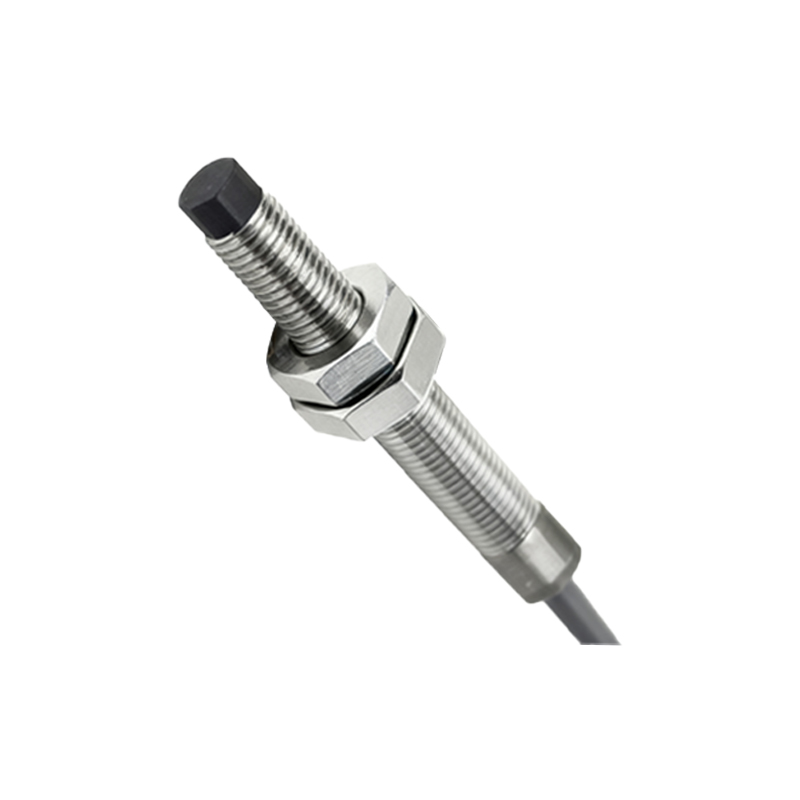
These are the workhorses of industrial automation. Their primary function is to detect the presence or absence of an object within a defined sensing range. They operate by generating an electrostatic field from the sensor's active surface. When a target object enters this field, it alters the capacitance, which is detected by the sensor's internal circuitry, triggering an output signal. A key advantage is their ability to sense through non-metallic materials like plastic, glass, or wood, making them ideal for detecting materials inside containers. They excel at counting objects on a conveyor belt, monitoring fill levels in tanks (by detecting the material level through the container wall), and verifying part presence in assembly lines. They are typically robust, resistant to environmental contaminants like dust or oil (when properly sealed), and offer long operational life due to the absence of moving parts.
Displacement (or Position) Sensors
Where proximity sensors offer a simple on/off detection, displacement sensors provide precise, continuous measurement of distance or position. They measure the exact change in capacitance between the sensor and a target, which is directly correlated to the distance separating them. These sensors achieve remarkably high resolution and accuracy, often down to the nanometer level. This makes them critical in applications demanding extreme precision. They are widely used for measuring vibration in rotating machinery, monitoring small deformations in materials under stress, controlling the gap in precision machining tools, and ensuring the runout (wobble) of spindles is within tolerance. They often require a conductive target and a stable environment, as factors like temperature can influence the dielectric constant of the air gap.
Touch Sensors
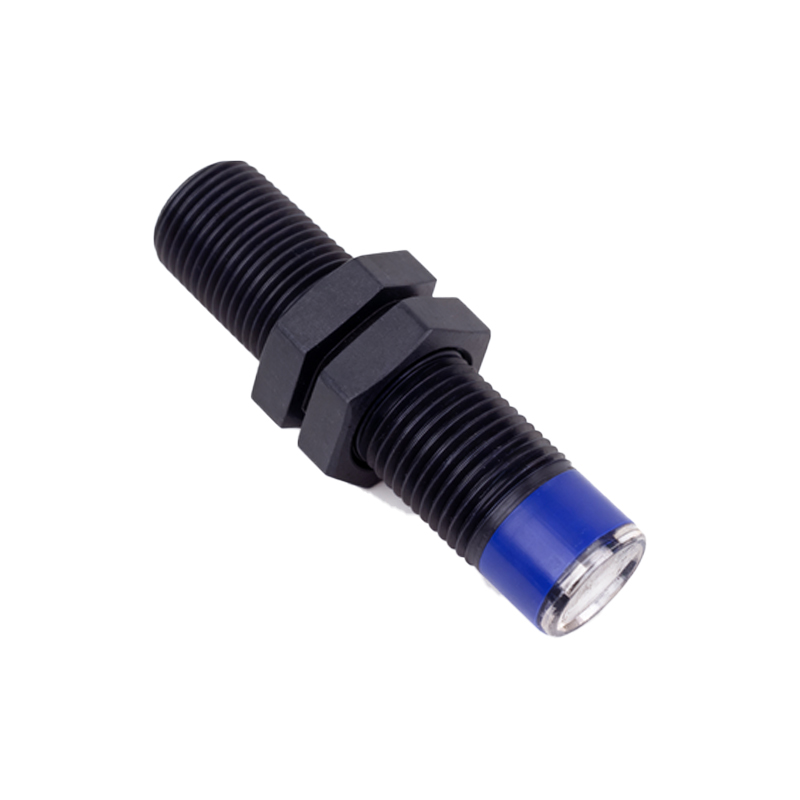
This is the type most people interact with daily. Touch sensors detect the capacitance change caused by the conductive properties of the human body (a finger). They power the intuitive interfaces of smartphones, tablets, home appliances, and automotive dashboards. There are several sub-types within this category. Surface capacitive sensors use a uniform conductive layer; a touch draws a minute current from the corners, allowing the controller to pinpoint the location. Projected capacitive technology, which includes the common mutual-capacitance and self-capacitance methods used in multi-touch screens, uses a grid of electrodes. A touch locally changes the capacitance at the intersection points of this grid, enabling precise multi-finger tracking and gesture recognition. Beyond consumer electronics, robust touch sensors are used in industrial control panels and public kiosks, often with a protective overlay.
Beyond these three main categories, specialized capacitive sensors serve niche functions. Capacitive Humidity Sensors use a polymer or metal oxide dielectric whose permittivity changes with moisture absorption, directly altering the sensor's capacitance. Capacitive Pressure Sensors employ a flexible diaphragm that deflects under pressure, changing the distance (and thus capacitance) between it and a fixed electrode. Capacitive Liquid Level Sensors function similarly to proximity sensors but are specifically designed to detect the interface between a liquid and air (or another liquid) based on the difference in dielectric constant.
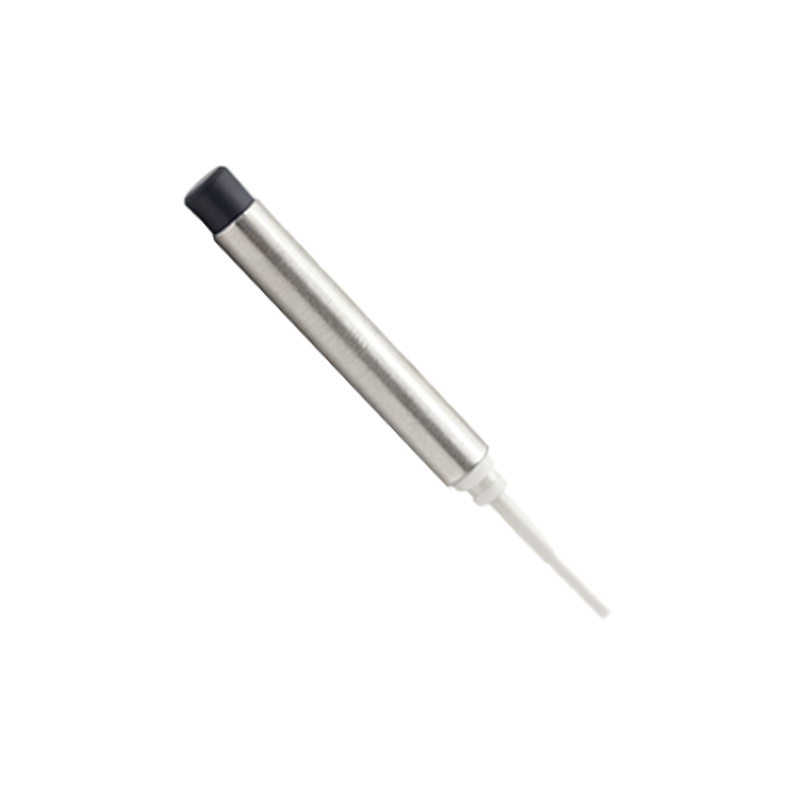
The choice between these types depends heavily on the application's requirements. Key selection criteria include the required sensing range, needed precision (binary detection vs. analog measurement), the nature of the target material (conductive, non-conductive, human skin), environmental conditions (temperature, humidity, presence of contaminants), and cost constraints. For instance, a bottling plant might use proximity sensors for cap detection, displacement sensors to ensure bottle height uniformity, and a touch-sensitive HMI for operator control.
In conclusion, the world of capacitive sensors is diverse and sophisticated. From the robust proximity sensor ensuring smooth factory automation, to the nanometer-accurate displacement sensor enabling advanced manufacturing, to the intuitive touch sensor that connects us to our digital world, each type leverages the same basic principle of capacitance to solve unique engineering challenges. Their non-contact operation, high sensitivity, and durability ensure they will remain a vital sensing technology as the demand for smarter, more responsive, and more reliable systems continues to grow across every sector of industry and consumer life.