Laser proximity sensors are essential components in modern automation and industrial applications, offering precise non-contact detection of objects. When considering the investment in these devices, understanding the various factors that influence their cost is crucial for making informed purchasing decisions. The price of a laser proximity sensor can vary significantly based on several key elements, including technical specifications, brand reputation, and additional features.
One of the primary determinants of cost is the sensor's measurement range. Sensors designed for long-range detection, such as those capable of measuring distances up to several meters, typically come at a higher price point compared to short-range models. This is due to the advanced optics and electronics required to maintain accuracy over extended distances. For instance, a sensor with a range of 0.1 to 10 meters may cost substantially more than one limited to 0.1 to 1 meter.
Accuracy and resolution are also critical factors influencing expense. High-precision sensors that offer resolutions in the micrometer range or accuracy levels of ±0.1% of the measured value are generally more expensive. These sensors are often used in applications where minute measurements are vital, such as in semiconductor manufacturing or precision assembly lines. In contrast, standard models with lower accuracy, suitable for basic presence detection, are more affordable and widely available.
The type of laser technology employed plays a significant role in pricing. Sensors using time-of-flight (ToF) or phase-shift measurement methods tend to be costlier than those based on triangulation principles. ToF sensors, which calculate distance based on the time taken for a laser pulse to reflect back, are ideal for long ranges and harsh environments but require sophisticated components. Triangulation sensors, while excellent for short to medium ranges with high accuracy, might be less expensive but can be limited in certain conditions.
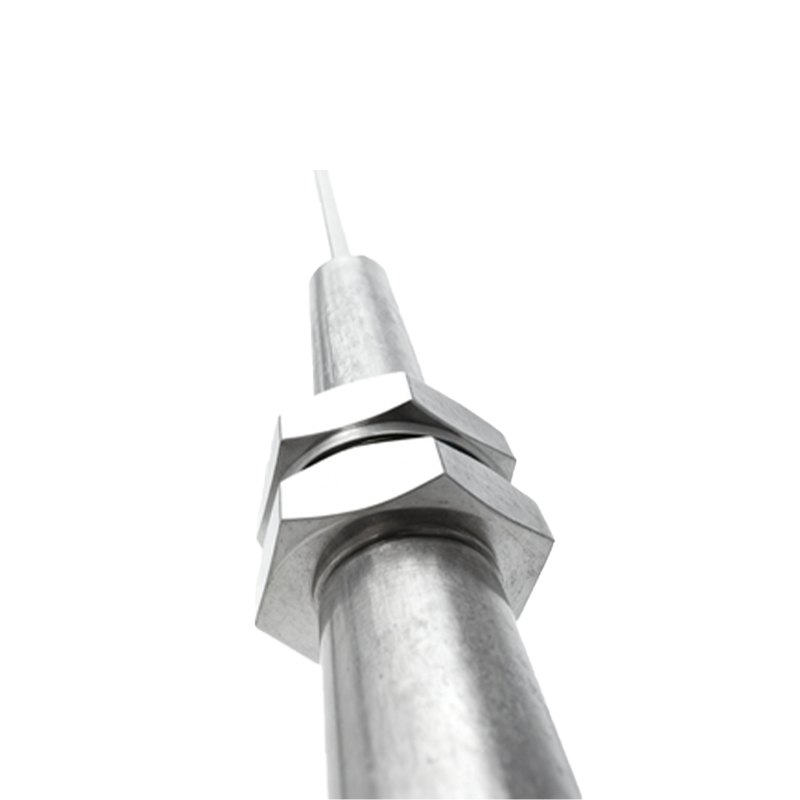
Environmental durability and protection ratings, such as IP67 or IP69K for dust and water resistance, add to the cost. Industrial-grade sensors built to withstand extreme temperatures, vibrations, and exposure to chemicals are priced higher due to robust housing and sealed designs. For example, a sensor rated for use in temperatures from -40°C to 85°C will likely cost more than one designed for standard room-temperature applications.
Brand reputation and support services also impact pricing. Established manufacturers like Keyence, SICK, or Banner Engineering often charge premium prices for their sensors, justified by reliable performance, comprehensive warranties, and extensive customer support. In contrast, generic or lesser-known brands may offer lower upfront costs but could entail risks regarding longevity and after-sales service.
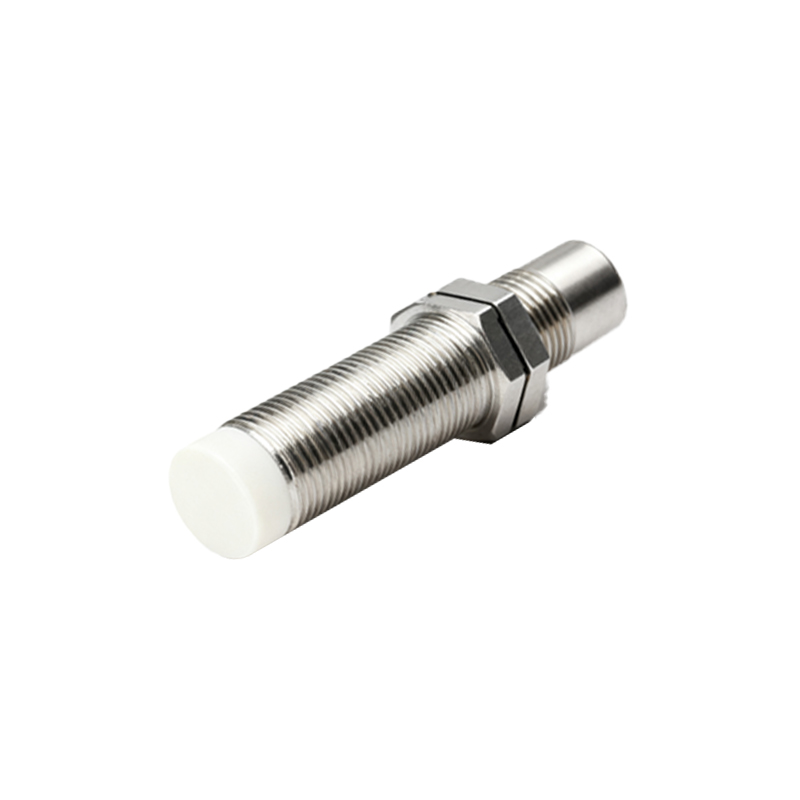
Additional features, such as adjustable sensing windows, analog outputs, or connectivity options like IO-Link and Ethernet/IP, contribute to higher expenses. These functionalities enhance versatility and integration capabilities, making the sensors suitable for complex automation systems. For basic applications, simpler models without these extras provide a cost-effective solution.
When budgeting for laser proximity sensors, it's important to consider total cost of ownership, including installation, maintenance, and potential downtime. While initial purchase price is a factor, investing in a higher-quality sensor can lead to long-term savings through reduced failures and improved efficiency. Market trends show that prices have been gradually decreasing due to advancements in manufacturing and increased competition, making these sensors more accessible for small to medium-sized enterprises.
In summary, the cost of laser proximity sensors is influenced by range, accuracy, technology type, durability, brand, and features. By evaluating specific application needs against these factors, businesses can select sensors that offer the best value, balancing performance with budget constraints. As technology continues to evolve, we can expect further innovations that may drive costs down while enhancing capabilities, expanding the adoption of these critical devices across industries.