Magnetic sensor proximity switches, often referred to as magnetic proximity sensors or reed switches in their basic form, represent a fundamental and highly reliable category of non-contact sensing technology. Their operation hinges on the detection of a magnetic field, typically generated by a permanent magnet. This simple yet elegant principle underpins countless applications across industrial automation, automotive systems, security, and consumer electronics, offering solutions where physical contact is undesirable or impossible.
At the core of most magnetic proximity switches is the interaction between a sensor element and a magnetic field source. The most traditional type is the reed switch, a sealed glass capsule containing two ferromagnetic reeds. When a magnet approaches, the reeds magnetize, attract each other, and make contact, closing an electrical circuit. When the magnet moves away, the reeds spring back to their open position. Modern solid-state versions, such as Hall-effect sensors and magnetoresistive (MR) sensors, have expanded capabilities. A Hall-effect sensor generates a voltage proportional to the magnetic field strength when placed in a magnetic field and supplied with current. This allows for not just detection but also measurement of field strength and polarity. Magnetoresistive sensors change their electrical resistance in the presence of a magnetic field, offering high sensitivity and the ability to detect very small changes in field direction.
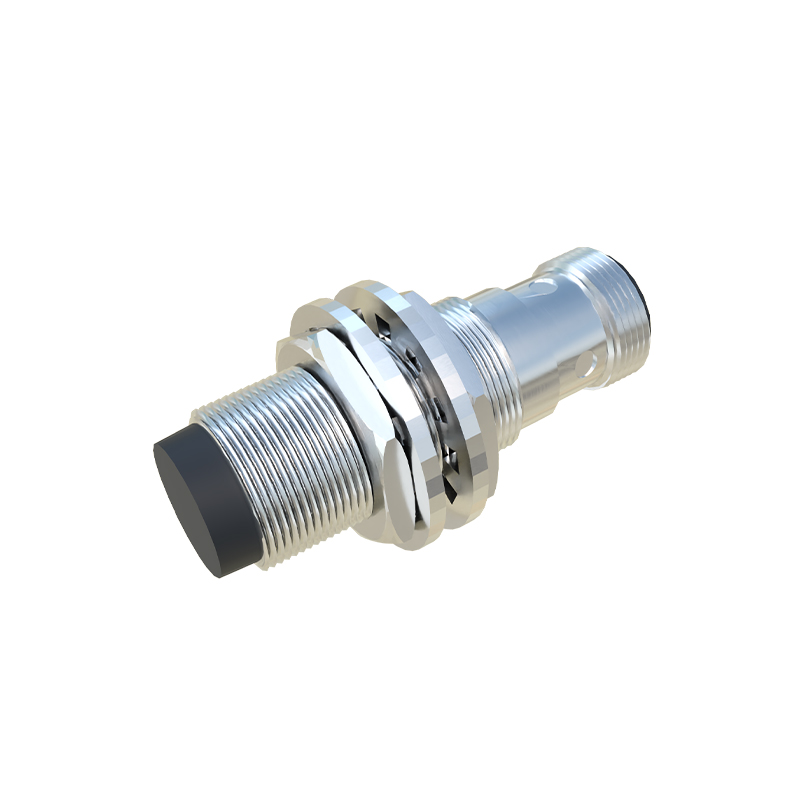
The advantages of magnetic sensor proximity switches are numerous and explain their enduring popularity. First and foremost is their exceptional reliability and long operational life, especially for reed switches, which have no mechanical wear in the sensing element itself as the contacts are sealed in an inert gas. They are immune to many environmental contaminants like dust, oil, dirt, and moisture, making them ideal for harsh industrial environments. Their non-contact nature means there is no physical force applied to either the sensor or the target (the magnet), eliminating mechanical wear and tear. They can operate at high speeds, detecting the presence or absence of a magnet in milliseconds. Furthermore, they are generally simple to install and interface with, requiring minimal supporting electronics for basic on/off functionality.
The application spectrum for these devices is vast. In industrial automation, they are ubiquitous as limit switches on linear actuators, cylinder position sensors on pneumatic and hydraulic pistons, and rotational speed sensors on gears or shafts (using a magnet attached to the rotating part). In the automotive industry, they are used for detecting seat belt buckle status, door and trunk open/close positions, and in anti-lock braking systems (ABS) to measure wheel speed. Security systems employ them on doors and windows as tamper-proof contact sensors. Consumer electronics use miniature versions in laptops and flip phones to detect lid or screen position. Even in white goods, a magnetic sensor might detect the door of a washing machine or refrigerator.
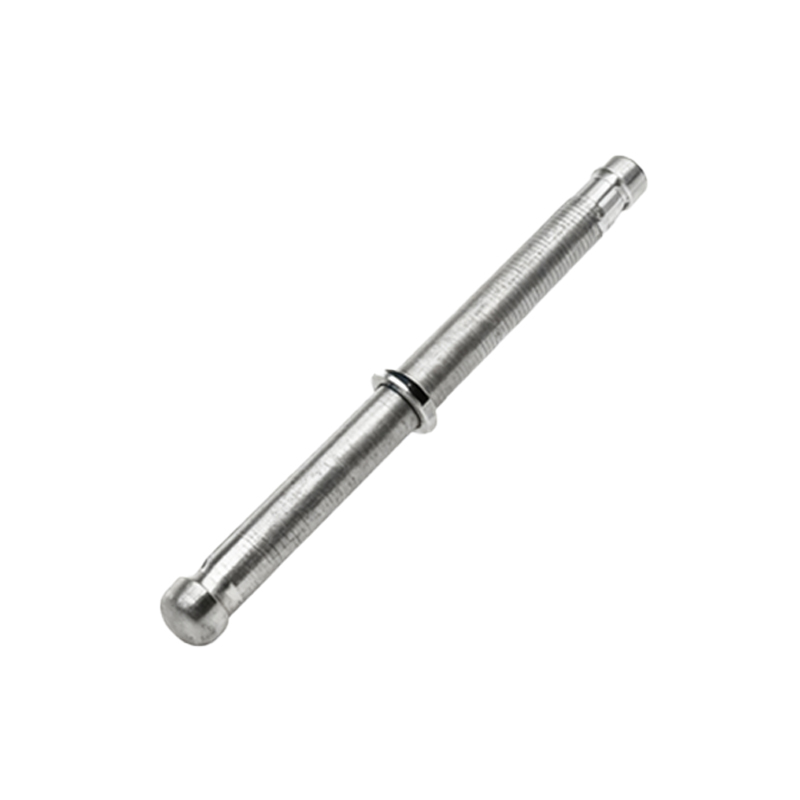
Selecting the right magnetic sensor proximity switch requires careful consideration of several key parameters. The first is the sensing distance or switch point. This is the critical distance at which the sensor reliably activates in the presence of its designated magnet. It is crucial to note that this distance is highly dependent on the strength and size of the magnet used; specifications are always given for a specific magnet type. The second is the output type. Basic switches provide a simple digital on/off signal (PNP, NPN, or dry contact). Analog-output sensors (e.g., Hall-effect) provide a voltage or current proportional to field strength, enabling precise position sensing. A third critical factor is the operating environment, including temperature range, required housing material (often stainless steel or plastic), and ingress protection (IP) rating for resistance to dust and water. Electrical characteristics like supply voltage, current consumption, and output current capacity must match the control system. For dynamic sensing, such as speed measurement, the maximum switching frequency is a vital specification.
Installation and alignment are also important for consistent performance. The sensor and magnet must be aligned correctly, as the sensing distance can vary significantly with lateral or angular misalignment. Many sensors are designed with built-in LEDs to indicate activation, greatly aiding in setup and diagnostics. When integrating, users must also consider the magnetic environment; strong external magnetic fields from motors or other equipment can potentially interfere with sensor operation.
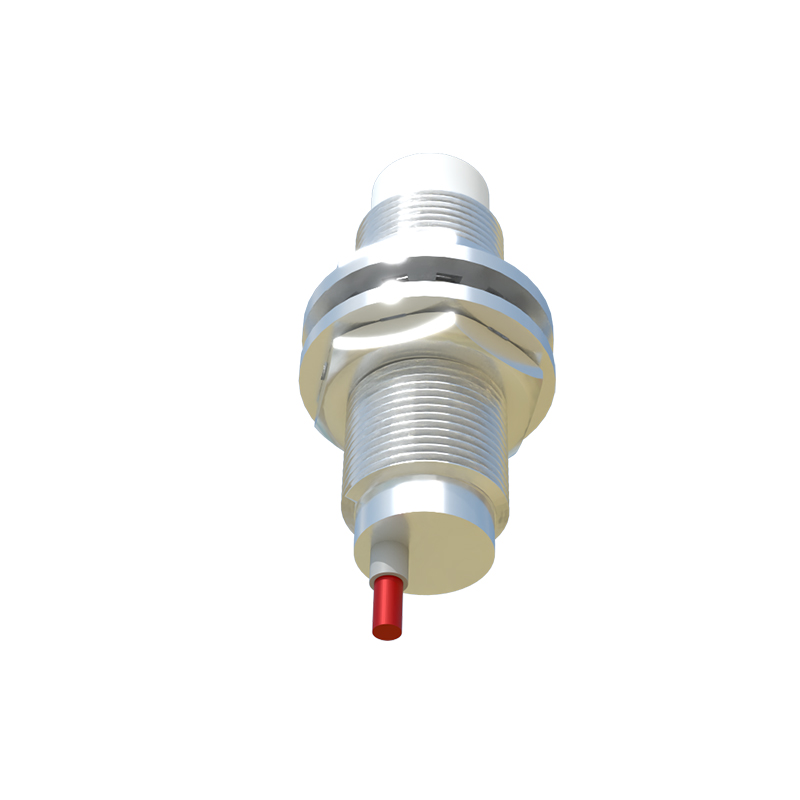
In conclusion, magnetic sensor proximity switches are a versatile, robust, and cost-effective sensing solution. From the humble reed switch to sophisticated solid-state Hall-effect and MR sensors, they provide a critical link between the physical movement of a machine component and the electronic control system. Their simplicity, durability, and non-contact operation ensure they will remain a cornerstone of sensing technology for a wide array of industries. Understanding their operating principles, advantages, and key selection criteria is essential for engineers and technicians to implement effective and reliable automated sensing solutions.