In today's rapidly evolving technological landscape, proximity sensor companies are at the forefront of enabling smarter, safer, and more efficient automated systems. These specialized firms develop and supply sensors that detect the presence or absence of nearby objects without any physical contact, utilizing technologies like inductive, capacitive, ultrasonic, and photoelectric principles. The applications are vast and critical, spanning industrial automation, consumer electronics, automotive safety systems, and smart infrastructure.
The core value proposition of a leading proximity sensor company lies in its ability to solve complex detection challenges. In manufacturing, for instance, sensors ensure precise positioning of robotic arms, count products on high-speed conveyor belts, and provide essential safety interlocks on machinery doors. The automotive industry relies heavily on these components for parking assistance, collision avoidance, and touchless user interfaces. Meanwhile, the consumer electronics sector integrates miniature proximity sensors into smartphones to disable touchscreens during calls and into appliances for intuitive gesture control.
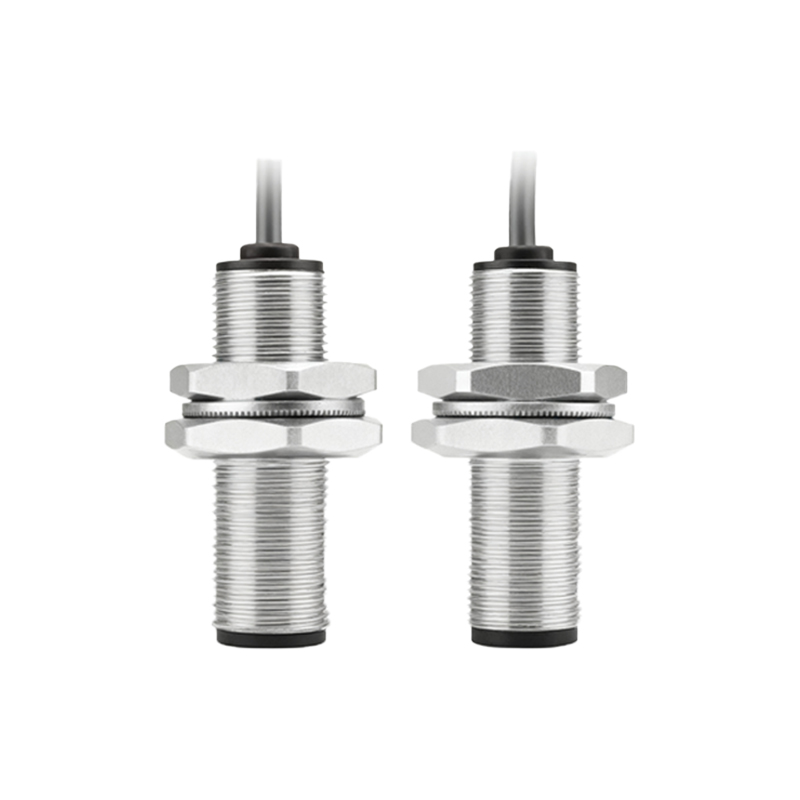
Innovation within this sector is relentless. Top companies are continuously pushing the boundaries of sensing range, accuracy, and miniaturization. A key trend is the development of sensors that can operate reliably in extreme environments—withstanding high temperatures, intense vibrations, or exposure to oils and coolants common in industrial settings. Another significant advancement is the integration of IO-Link and other industrial communication protocols, which transform simple sensors into intelligent data points. This allows for the remote monitoring of sensor health, predictive maintenance, and the collection of process data, contributing to the broader Industrial Internet of Things (IIoT) ecosystem.
The competitive landscape features a mix of large, diversified electronics conglomerates and nimble, specialized sensor manufacturers. Giants like Siemens, Omron, and Rockwell Automation offer comprehensive automation portfolios where proximity sensors are a key component within larger control systems. Their strength often lies in global supply chains, extensive application engineering support, and seamless integration with their own programmable logic controllers (PLCs) and human-machine interfaces (HMIs). On the other hand, specialist firms such as Pepperl+Fuchs, Sick AG, and Balluff GmbH are renowned for their deep expertise in sensing technology. They often pioneer new form factors, enhanced durability ratings (like IP69K for high-pressure washdowns), and application-specific solutions for challenging niches like food and beverage or pharmaceutical packaging.
Choosing the right proximity sensor supplier is a critical decision for engineers and system integrators. Key selection criteria extend beyond the basic specifications of sensing distance and output type. Factors such as housing material (e.g., stainless steel for corrosive environments), electrical noise immunity, response time, and certification for use in hazardous areas (ATEX, IECEx) are paramount. Furthermore, technical support, documentation quality, and product availability can significantly impact the total cost of ownership and project timelines.
The market's future growth is tightly linked to the expansion of factory automation, the rise of autonomous vehicles, and the proliferation of smart devices. As machines become more collaborative and autonomous, the demand for reliable, high-performance proximity sensing will only intensify. Companies that can deliver robust, intelligent, and connected sensor solutions are poised to lead this charge. They are not merely component vendors but essential partners in building the interconnected digital-physical systems that define modern industry.
Ultimately, the success of a proximity sensor company hinges on its understanding of real-world application hurdles and its commitment to quality and innovation. From enabling a simple assembly line task to ensuring the safety of an autonomous mobile robot, these components, and the companies that master their design, are fundamental building blocks in our automated world. Their ongoing evolution continues to unlock new levels of efficiency, safety, and functionality across every sector of the global economy.