In the realm of industrial automation, machine safety, and smart systems, photoelectric proximity sensor devices stand as indispensable components. Unlike their mechanical or inductive counterparts, these sensors detect the presence, absence, or distance of an object without any physical contact, using a beam of light. This non-contact principle grants them superior reliability, longevity, and versatility across countless applications.
The core operating principle is elegantly simple. A typical photoelectric sensor consists of an emitter (light source) and a receiver (photodetector). The emitter projects a beam of light—often infrared, visible red, or laser—toward a target. The receiver then detects changes in this light beam. The specific method of detection defines the primary sensor types. Through-beam sensors, also known as opposed-mode sensors, have separate emitter and receiver units placed opposite each other. An object is detected when it interrupts the light beam between them. This configuration offers the longest sensing range and highest reliability but requires precise alignment and wiring on both sides. Retro-reflective sensors house both emitter and receiver in a single housing, using a reflector to bounce the light beam back. Detection occurs when an object breaks this reflected beam. They provide a good balance of range and installation convenience. Diffuse-reflective sensors, or proximity-mode sensors, detect objects by measuring the light reflected directly off the target's surface. While easiest to install as they only require a single unit, their sensing range and performance can be influenced by the target's color, texture, and reflectivity.
The advantages of photoelectric proximity sensors are compelling. Their non-contact nature eliminates mechanical wear and tear, leading to exceptional operational life measured in millions of cycles. They can detect a vast array of materials—metal, plastic, wood, glass, and even liquids—provided there is a contrast in reflectivity or opacity. Modern sensors offer impressive sensing distances, from a few millimeters in diffuse mode to several hundred meters in through-beam configurations. Furthermore, they boast fast response times, crucial for high-speed production lines and packaging machinery.
The applications are as diverse as industry itself. In manufacturing, they count bottles on a conveyor, verify the presence of components in an assembly jig, and control robotic arm positioning. In material handling, they detect the level of boxes in a warehouse chute or the edge of material on a roll. For safety, they form the invisible guard of light curtains around dangerous machinery, instantly halting operation if a beam is broken. In the consumer domain, they are the silent enablers of automatic doors, paper detection in printers, and touchless faucets. Emerging fields like autonomous mobile robots (AMRs) rely heavily on arrays of these sensors for navigation and obstacle avoidance.
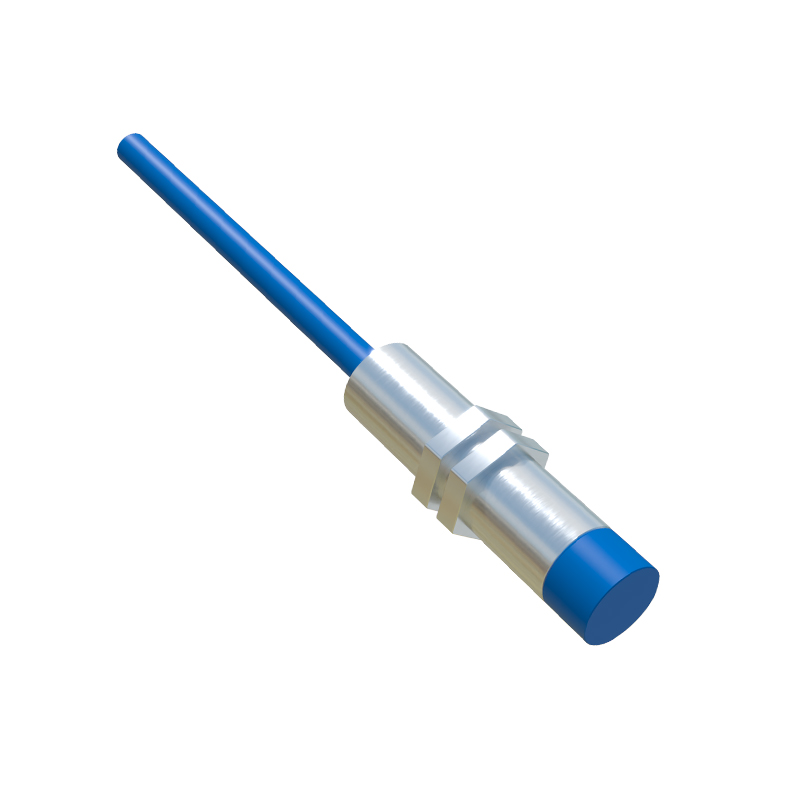
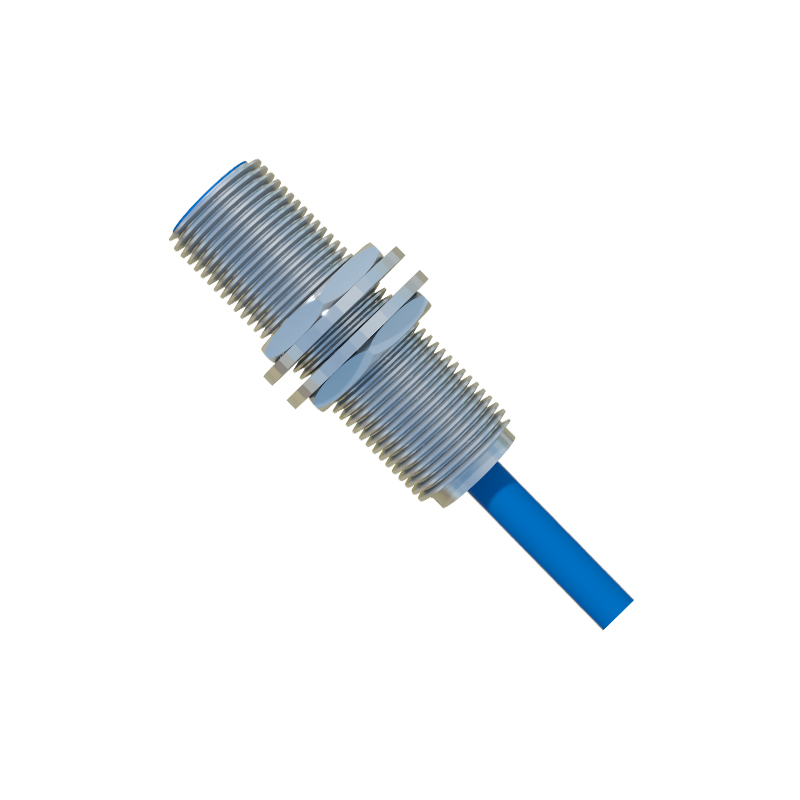
Selecting the right photoelectric sensor requires careful consideration of several key parameters. First, identify the sensing mode (through-beam, retro-reflective, diffuse) based on the required range, installation constraints, and target characteristics. The sensing range must have a sufficient margin for the application. Environmental factors are critical; sensors for dusty, humid, or washdown environments need high Ingress Protection (IP) ratings, while those in areas with ambient light interference may require modulated light sources or specialized filters. The output type (e.g., NPN/PNP transistor, analog, IO-Link) must be compatible with the control system. Finally, consider mechanical factors like housing size, shape (cylindrical or rectangular), and connection type (connector or cable).
Recent advancements continue to push the boundaries. Background suppression sensors use triangulation to only detect objects within a precise, defined distance, ignoring objects and surfaces beyond it, solving a classic challenge of diffuse sensors. Color sensors can distinguish between specific colors or shades. Luminescence sensors detect the presence of materials like adhesives or oils that glow under UV light. The integration of industrial communication protocols like IO-Link provides not just a simple on/off signal but a wealth of diagnostic data, enabling predictive maintenance and smarter process control.
In conclusion, photoelectric proximity sensor devices are the eyes of modern automated systems. Their ability to provide reliable, fast, and flexible non-contact detection makes them a foundational technology. From ensuring the smooth flow of a production line to guarding operator safety, their role is both critical and expanding. Understanding their principles, types, and selection criteria is essential for engineers and technicians to harness their full potential in building more efficient, safe, and intelligent automated solutions.