In modern industrial maintenance and precision engineering, the removal of sensors without damaging underlying components presents a significant challenge. Traditional mechanical methods often risk harming adjacent structures or leaving residual material. Laser technology has emerged as a highly effective alternative, offering unparalleled accuracy and control. This article explores the principles, applications, and best practices for using lasers to safely and efficiently remove sensors from various surfaces.
Lasers operate by emitting focused beams of light that can be precisely calibrated to interact with specific materials. When applied to sensor removal, the laser's energy is absorbed by the adhesive or mounting elements, causing localized heating. This process breaks down bonds without generating excessive heat that could spread to sensitive surrounding areas. Different types of lasers, such as fiber lasers or pulsed lasers, are selected based on the sensor's material composition and the substrate it is attached to. For instance, a low-power pulsed laser might be used for delicate optical sensors, while a more robust continuous-wave laser could handle industrial-grade metal sensors.
The advantages of laser removal are manifold. First, it is a non-contact method, eliminating physical stress on the substrate. This is crucial for applications in aerospace or electronics, where even minor scratches can compromise integrity. Second, lasers allow for real-time adjustments during the procedure, enabling operators to tailor the intensity and duration of exposure. This adaptability minimizes the risk of overheating, which is a common issue with thermal desoldering techniques. Additionally, laser systems often integrate vision systems or automated guides, ensuring pinpoint accuracy even in complex assemblies.
Practical applications span multiple industries. In automotive manufacturing, lasers are used to dislodge pressure or temperature sensors from engine blocks during refurbishment. In consumer electronics, they facilitate the replacement of faulty biometric sensors on devices without harming glass or ceramic surfaces. The medical device sector also benefits, as lasers can remove embedded sensors from surgical tools with sterility intact. Case studies from these fields highlight reduced downtime and lower rejection rates compared to conventional methods.
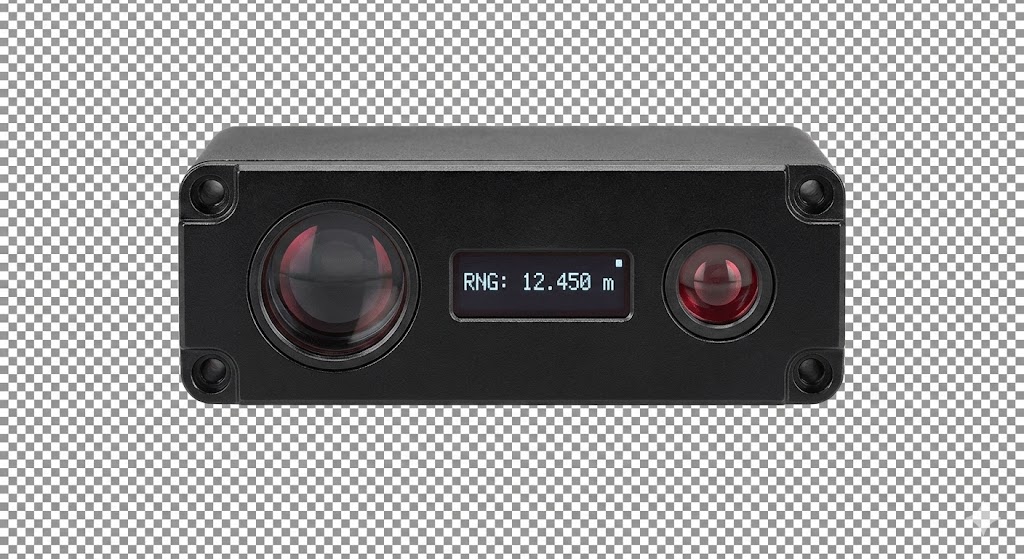
However, successful implementation requires careful planning. Prior to removal, technicians must analyze the sensor's composition and the properties of the adhesive or solder. This analysis informs the choice of laser wavelength and pulse settings. Safety protocols are paramount; operators should wear protective eyewear and ensure proper ventilation to manage any fumes released during ablation. The workspace must be free of reflective surfaces that could deflect the beam unpredictably. Post-removal, the area is typically inspected via microscopy or thermal imaging to confirm no residual damage.
Looking ahead, advancements in laser technology promise even greater precision. Developments in ultrafast lasers, which operate in picosecond or femtosecond ranges, may enable removal at a microscopic scale, further reducing thermal effects. Integration with AI-driven monitoring systems could automate the entire process, adjusting parameters in real-time based on feedback from sensors themselves. As industries continue to miniaturize components, the role of lasers in maintenance and repair will likely expand, offering a clean, efficient solution for sensor management.

In conclusion, laser-based sensor removal represents a fusion of innovation and practicality. By understanding its mechanisms and adhering to safety standards, technicians can achieve reliable results across diverse settings. This method not only preserves the integrity of valuable equipment but also aligns with trends toward sustainable, waste-reducing practices in engineering.