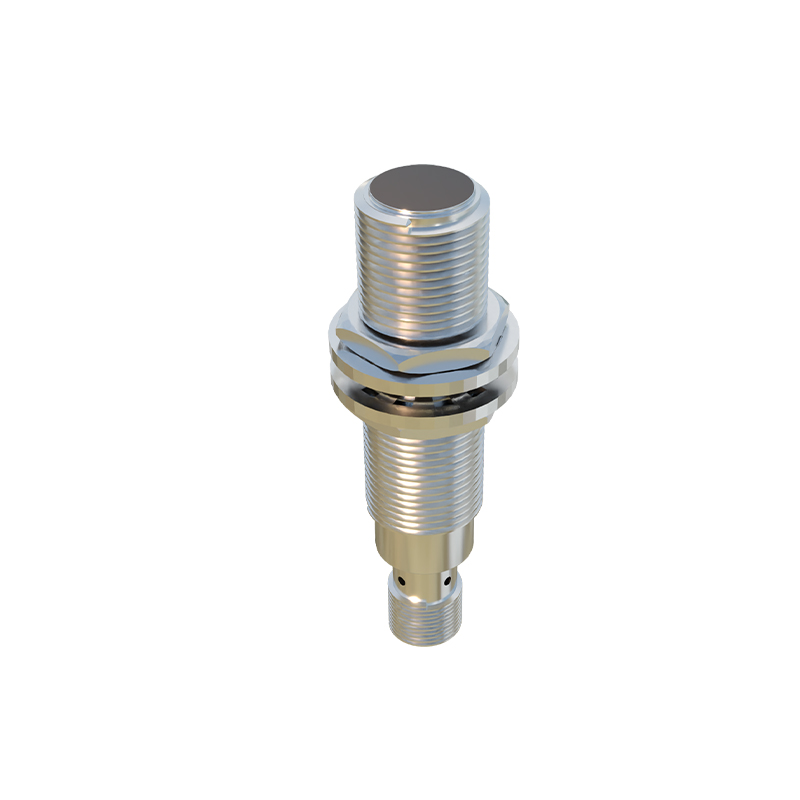
Proximity sensor technology has quietly become a cornerstone of modern electronics, enabling devices to perceive and interact with their immediate surroundings without physical contact. These sensors detect the presence or absence of objects within a defined range, triggering a response that powers countless features we now take for granted. The underlying principles vary, with inductive, capacitive, optical, and ultrasonic sensors each offering unique advantages tailored to specific industrial, automotive, and consumer applications.
In the industrial automation sector, proximity sensors are indispensable for ensuring precision, safety, and efficiency. Inductive sensors, which detect metallic objects, are widely deployed on assembly lines for tasks like counting, positioning, and jam detection. They operate reliably in harsh environments filled with dust, oil, or vibrations, where mechanical switches would fail. Capacitive sensors, capable of detecting both metallic and non-metallic materials like liquids, wood, or plastics, are crucial in packaging, material handling, and level control systems. Their ability to sense through non-ferrous materials makes them ideal for monitoring fill levels in tanks or detecting transparent films on production lines. These applications minimize downtime, reduce waste, and enhance operational safety by replacing manual checks and preventing collisions in robotic work cells.
The automotive industry leverages proximity sensing to elevate both functionality and safety. Ultrasonic sensors embedded in bumpers provide the core functionality for parking assistance systems, emitting sound waves to measure distances to obstacles and delivering audible or visual cues to the driver. This technology has evolved into automated parking systems that can steer the vehicle into a spot with minimal driver input. Inside the cabin, capacitive proximity sensors are revolutionizing the user interface. They enable touchless control of infotainment systems, where a simple hand gesture near the screen can adjust volume or skip tracks, reducing driver distraction. Furthermore, advanced systems use interior sensors to monitor occupant presence for optimized airbag deployment and to issue reminders if a child or pet is inadvertently left in the vehicle.
Consumer electronics represent the most visible domain of proximity sensor application, directly shaping the user experience. The hallmark example is the smartphone. An infrared or optical proximity sensor located near the earpiece automatically turns off the display during a phone call when the device is held to the ear. This prevents accidental screen touches and conserves battery life. This same principle extends to tablets and laptops, enabling features like "wake-on-approach" where the device senses a user's presence and powers on from sleep mode. In smart home ecosystems, proximity sensors enhance convenience and energy efficiency. Automatic faucets and soap dispensers in bathrooms promote hygiene, while sensor-activated lighting in closets or pantries provides hands-free illumination. Even modern refrigerators incorporate sensors to activate interior lights or display panels when a user approaches.
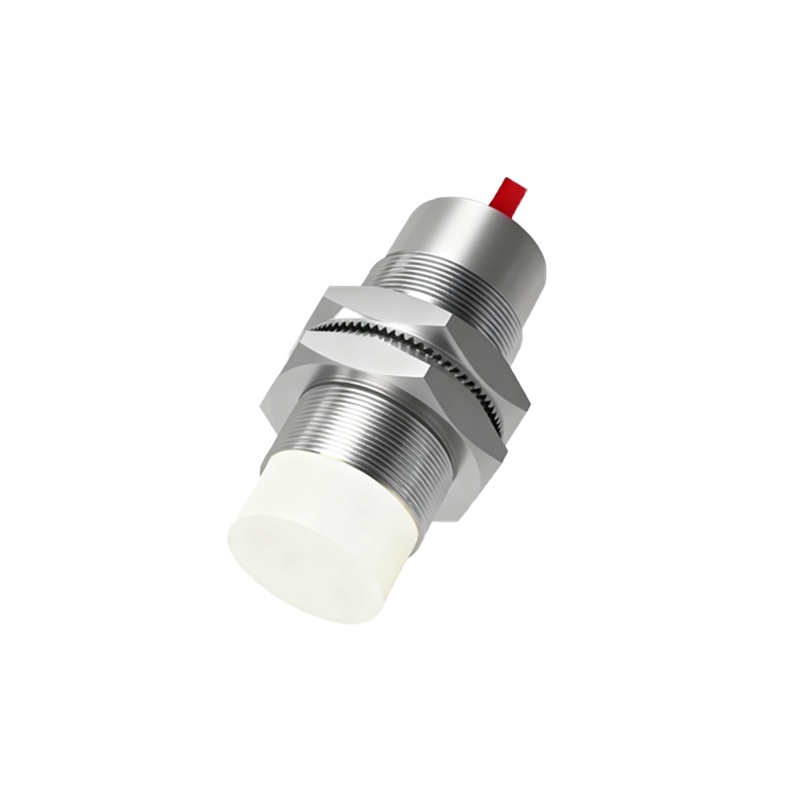
Beyond these established uses, innovative applications are continually emerging, pushing the boundaries of what proximity sensing can achieve. In healthcare, sensor-equipped equipment allows for touchless operation of devices in sterile environments, and they are integrated into fall detection systems for the elderly. Retail environments are experimenting with proximity-aware displays that change content when a customer approaches, creating interactive shopping experiences. The Internet of Things (IoT) ecosystem heavily relies on low-power proximity sensors as triggers for events, such as activating security cameras when someone approaches a door or managing inventory by detecting item removal from smart shelves.
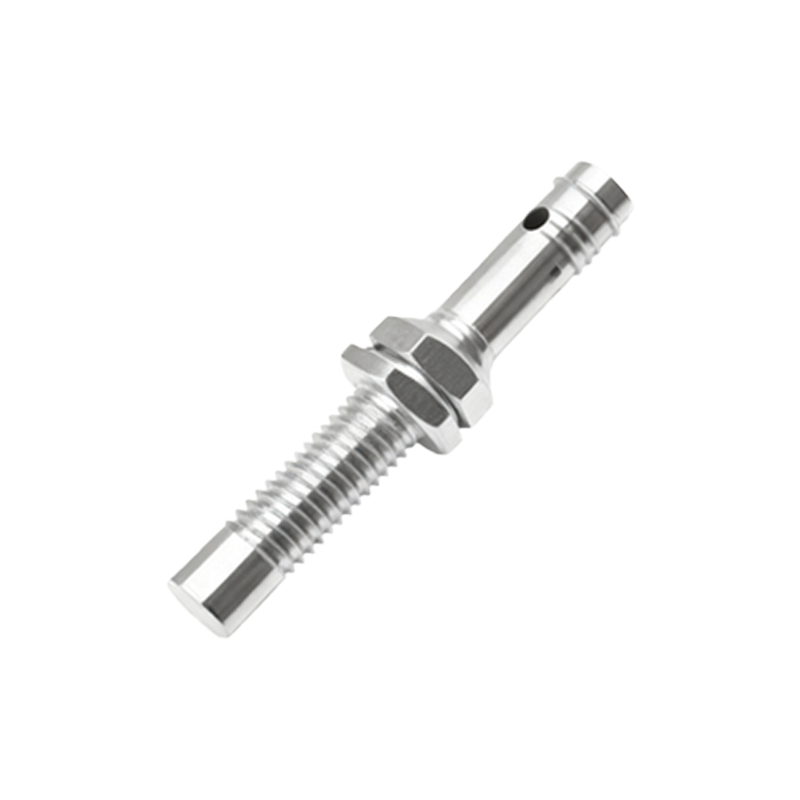
The evolution of this technology focuses on increasing sensitivity, reducing power consumption, and shrinking form factors. Modern sensors integrate sophisticated algorithms to filter out environmental noise and improve accuracy. Future trends point toward sensor fusion, where data from proximity sensors is combined with inputs from cameras, LiDAR, or other environmental sensors to create a more comprehensive contextual awareness for autonomous robots, vehicles, and smart city infrastructure. As machine learning algorithms become more integrated, these systems will not only detect presence but also interpret intent and predict actions, enabling even more seamless and intuitive interactions between humans and machines.