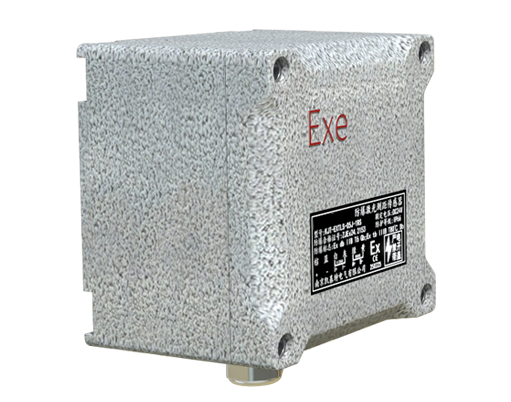
In the realm of industrial automation, precision measurement and detection are paramount. Among the various technologies enabling this, LR (Long-Range) laser sensors stand out for their ability to deliver accurate, non-contact measurements over significant distances. These sensors operate by emitting a focused beam of laser light towards a target and analyzing the reflected light to determine distance, presence, or profile. Unlike standard proximity sensors, LR laser sensors are engineered to maintain high accuracy and stability over ranges that can extend from several meters to hundreds of meters, depending on the model and technology.
The core working principle typically involves one of two main methods: time-of-flight (ToF) or triangulation. Time-of-flight sensors calculate distance by measuring the time delay between the emission of a laser pulse and the detection of its reflection. This method is highly effective for very long ranges and is commonly used in applications like vehicle lidar, large-scale inventory monitoring, and crane positioning. Triangulation-based sensors, on the other hand, use a laser emitter, a receiver (like a CCD or CMOS array), and the geometric principle of triangulation to determine distance. They are exceptionally precise for shorter to medium ranges and are ideal for tasks requiring high resolution, such as contour profiling, thickness measurement of rolled materials, or precise component alignment on assembly lines.
The advantages of employing LR laser sensors are numerous. Their non-contact nature eliminates mechanical wear and prevents damage to both the sensor and the target object. They are largely immune to ambient light interference and can function reliably in challenging environmental conditions, especially models with robust housings and appropriate ingress protection (IP) ratings. Furthermore, they offer fast response times, enabling real-time process control in high-speed manufacturing. The ability to measure difficult surfaces, including shiny, dark, or transparent materials (with specialized models), adds to their versatility.
Applications for LR laser sensors span across diverse industries. In logistics and warehousing, they are used for palletizing, dimensioning packages, and guiding automated guided vehicles (AGVs). The automotive industry relies on them for robot guidance, gap and flush measurement on vehicle bodies, and inspection tasks. In construction and agriculture, they assist with leveling, profiling, and monitoring. The energy sector uses them for monitoring sag in power lines or measuring stockpile volumes. Essentially, any process requiring reliable, long-distance, and precise measurement is a potential application.

Selecting the right LR laser sensor requires careful consideration of several key parameters. First, define the required measuring range and the needed resolution or accuracy. Consider the characteristics of the target: its size, color, surface texture, and material, as these affect reflectivity. The required output (e.g., analog 4-20mA, digital IO-Link, Ethernet/IP) must be compatible with the control system. Environmental factors such as temperature extremes, dust, moisture, and vibration will dictate the necessary housing and IP class. Finally, evaluate features like built-in evaluation functions, programmability, and the availability of configurable switching outputs or measurement value buffers.
Installation and maintenance are straightforward but crucial for optimal performance. Ensure the sensor is mounted securely to minimize vibration. The laser beam must have a clear line of sight to the target, free from obstructions like dust, steam, or other machinery. Regular cleaning of the lens with appropriate materials is necessary to prevent buildup that could scatter or attenuate the laser beam. Most modern sensors come with diagnostic LEDs and software tools for easy setup and troubleshooting.
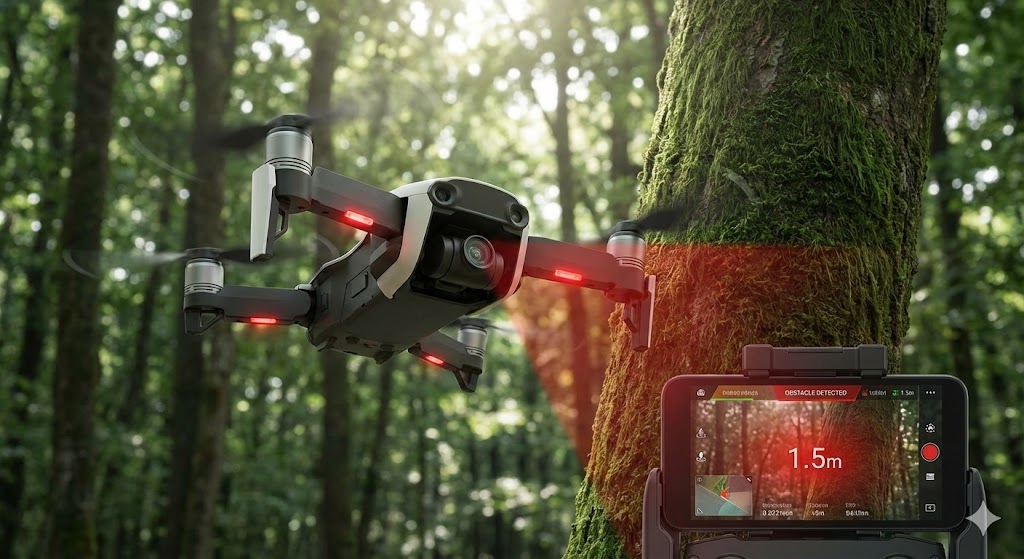
In conclusion, LR laser sensors are a critical technology for modern industrial automation, providing a unique combination of long-range capability, high precision, and operational robustness. By understanding their operating principles, recognizing their vast application potential, and following a structured selection process, engineers and system integrators can effectively harness their power to enhance efficiency, quality, and safety in a wide array of automated processes. As technology advances, we can expect these sensors to become even more intelligent, compact, and capable, further solidifying their role in the smart factories and infrastructure of the future.