In the realm of industrial automation and robotics, precision and reliability are paramount. Laser vision sensor tracking has emerged as a cornerstone technology, enabling machines to perceive, interpret, and interact with their environment with unprecedented accuracy. Unlike traditional 2D vision systems, this technology combines the structured illumination of laser lines with advanced imaging to create detailed three-dimensional profiles of objects in real-time.
At its core, a laser vision sensor projects a thin, focused line of laser light onto a target surface. A high-resolution camera, positioned at a known angle to the laser emitter, captures the deformation of this line. This deformation, caused by the contours and height variations of the object, is then processed through sophisticated triangulation algorithms. The result is a dense cloud of 3D coordinate points, accurately mapping the object's surface geometry. This process occurs at high speeds, often thousands of times per second, making it ideal for dynamic applications.
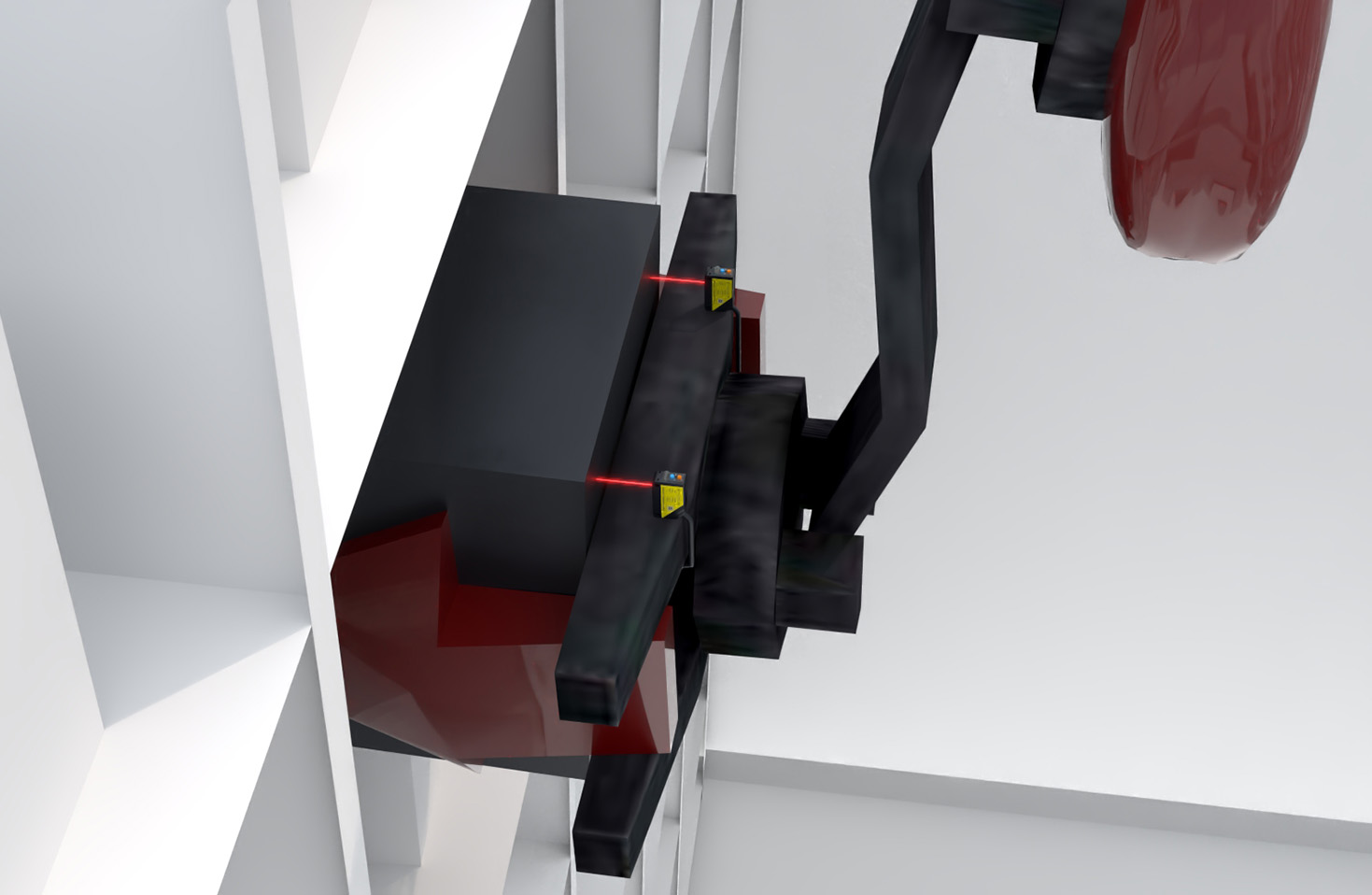
The advantages of laser-based tracking are significant. It is largely immune to ambient lighting variations that plague conventional vision systems, as it relies on its own controlled light source. This ensures consistent performance in challenging environments, from brightly lit factories to dimly lit warehouses. Furthermore, by providing explicit 3D data—including X, Y, and Z coordinates—it eliminates the guesswork associated with inferring depth from 2D images. This direct measurement capability is crucial for tasks requiring exact dimensional analysis or precise spatial positioning.
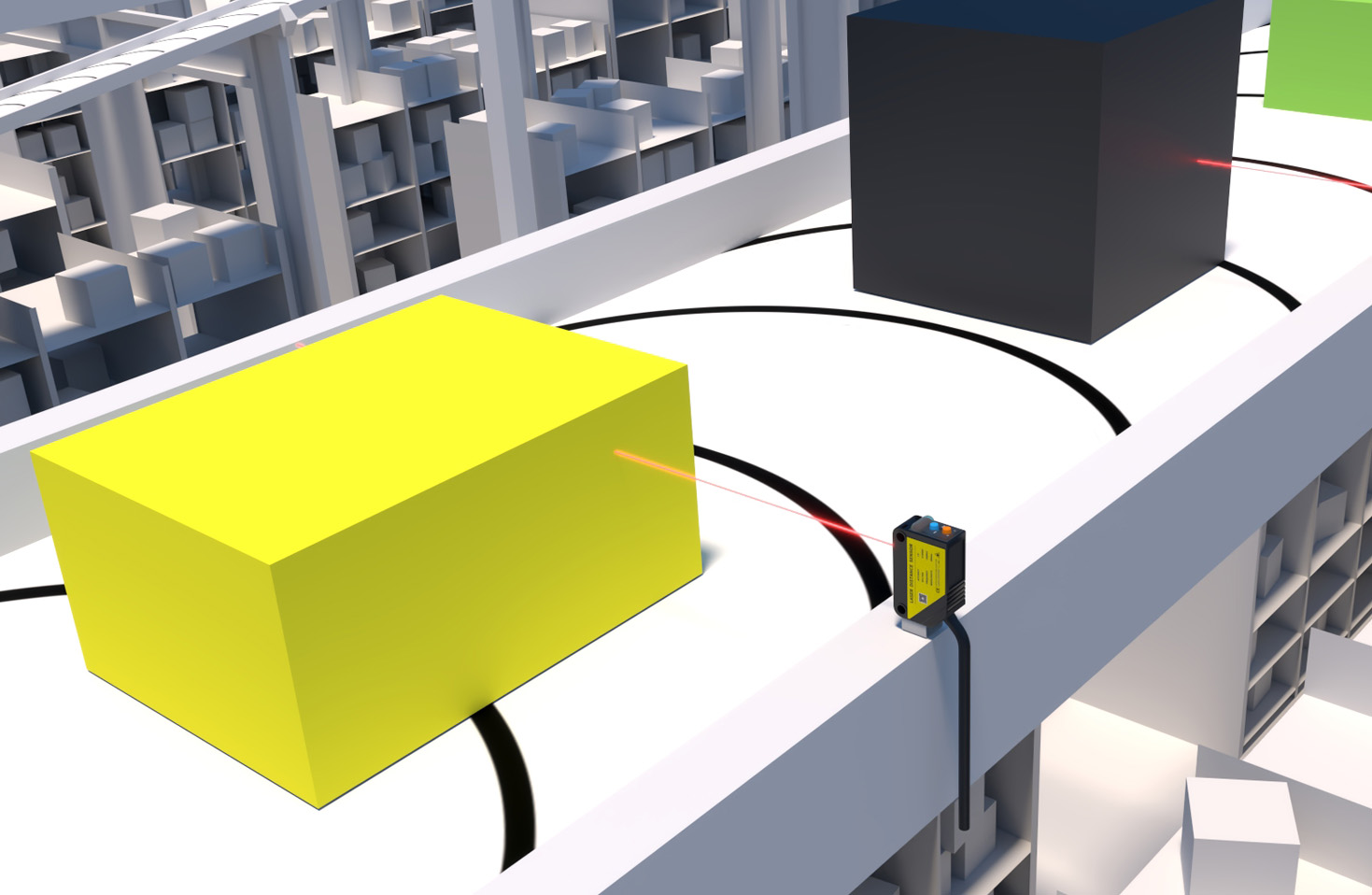
One of the most prominent applications is in robotic guidance, particularly in bin picking and assembly. A robot equipped with a laser vision sensor can scan a bin of randomly oriented parts, identify each part's precise 3D location and orientation, and reliably guide its gripper to pick and place the component. This solves a historically complex problem in flexible automation. Similarly, in welding and dispensing applications, the sensor can track the seam or path in three dimensions, allowing the robot to adjust its tool path in real-time to compensate for part variations or thermal distortion, ensuring consistent weld quality or adhesive bead placement.

In-line inspection and quality control represent another critical domain. Laser sensors can perform non-contact measurements of critical dimensions, such as gap and flush on automotive body panels, warp or coplanarity on electronic components, or the profile of extruded materials. They can detect defects like dents, scratches, or deviations from a CAD model with micron-level precision. This allows for 100% inspection at production line speeds, catching defects early and reducing waste.
The technology also plays a vital role in logistics and navigation. Automated Guided Vehicles (AGVs) and Autonomous Mobile Robots (AMRs) use laser vision sensors, often in a configuration known as LiDAR, for simultaneous localization and mapping (SLAM). They create a 3D map of their surroundings and continuously track their position within it, enabling safe and efficient navigation through dynamic spaces shared with humans and other equipment.
Looking forward, the integration of laser vision data with artificial intelligence and machine learning is unlocking even greater potential. AI algorithms can be trained to recognize complex patterns, classify objects, and make predictive decisions based on the rich 3D point cloud data. This convergence is leading towards more adaptive, intelligent, and autonomous systems.
In conclusion, laser vision sensor tracking is more than just a sensing technology; it is an enabler of intelligent automation. By providing robust, high-speed, and precise 3D perception, it forms the "eyes" of modern robotic systems, driving advancements in manufacturing, logistics, and beyond. Its ability to deliver reliable data under real-world conditions ensures its continued central role in the evolution of Industry 4.0 and smart factories.