Capacitive sensing represents a transformative technology that has quietly revolutionized human-machine interaction across countless devices and industries. At its core, capacitive sensing detects and measures changes in capacitance—the ability of a system to store an electrical charge. Unlike mechanical switches or resistive touchscreens, capacitive sensors require no physical pressure or moving parts. Instead, they function by establishing an electrostatic field. When a conductive object, most commonly a human finger, approaches or touches the sensor area, it disrupts this field, causing a measurable change in capacitance. This minute change is detected by a dedicated integrated circuit (IC), which interprets it as a touch, proximity, or positional input.
The fundamental principle relies on the capacitor model. A typical capacitive sensor can be conceptualized as two conductive plates separated by an insulating dielectric. In many practical applications, one "plate" is the sensor electrode itself, and the other can be a ground plane or the user's finger. The capacitance value depends on the surface area of the electrodes, the distance between them, and the dielectric constant of the insulating material. Modern capacitive sensors are incredibly sensitive, capable of detecting changes through non-conductive materials like glass, plastic, or even wood, enabling sleek, sealed, and robust product designs.
There are two primary operational modes: self-capacitance and mutual capacitance. Self-capacitance sensing involves a single electrode. The sensor measures the capacitance between the electrode and ground. A finger touch increases the capacitive load because the human body acts as a grounded conductor. This method is straightforward and highly sensitive, ideal for simple buttons, sliders, and small touchscreens. However, it can struggle with "ghost touches" in multi-touch scenarios.
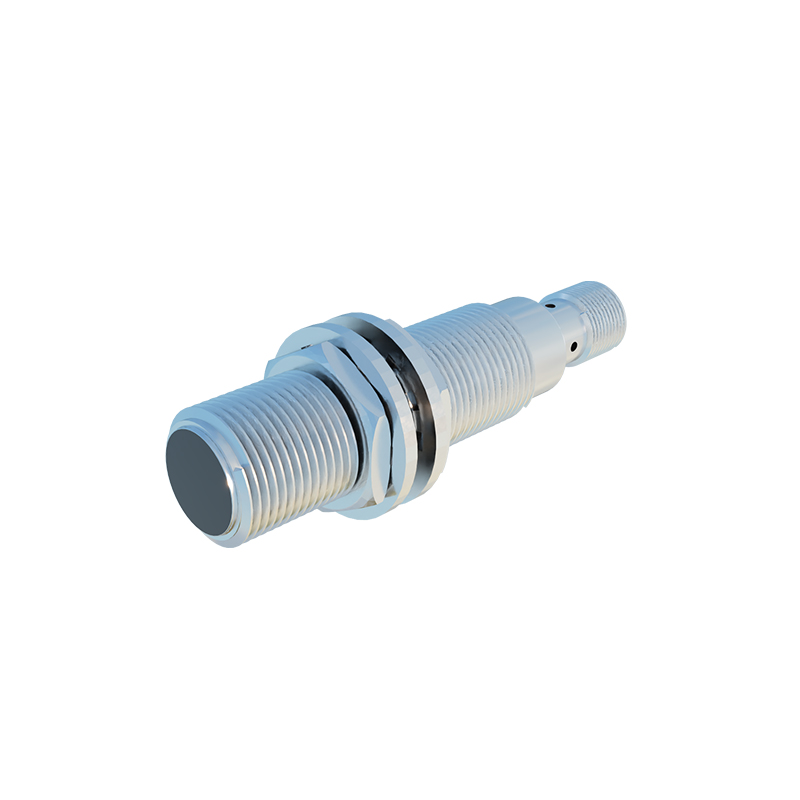
Mutual capacitance, the technology behind modern multi-touch screens, uses a grid of transmit (TX) and receive (RX) electrodes. Capacitance forms at each intersection point (node) between these rows and columns. When a finger touches a node, it steals some of the electric field, reducing the mutual capacitance at that specific intersection. By scanning the entire grid, the controller can pinpoint multiple, simultaneous touches with high accuracy and resolution. This enables the complex gestures—pinch, zoom, rotate—that users now take for granted.
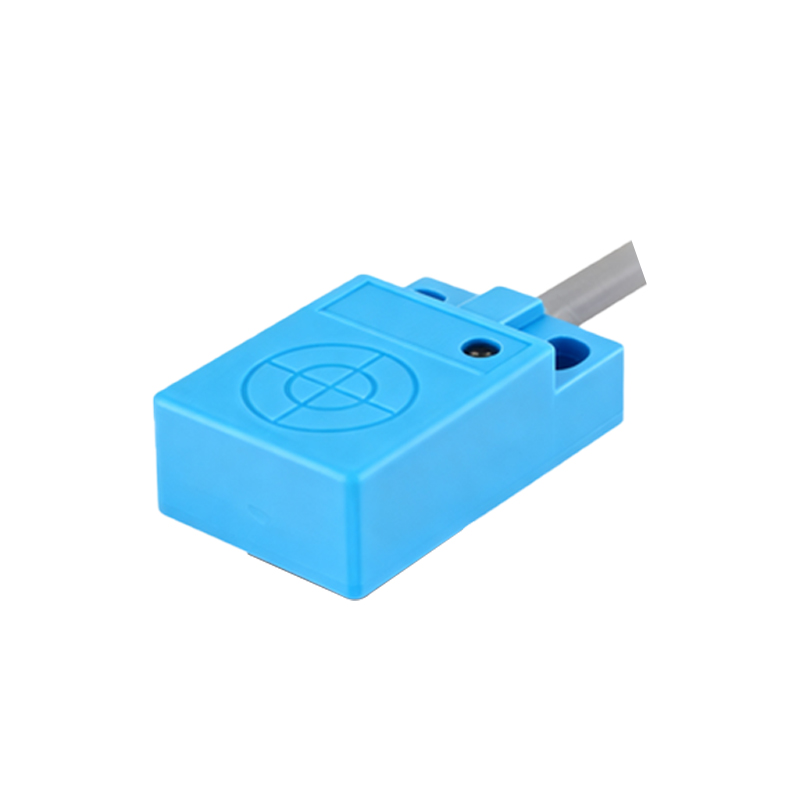
The applications of capacitive sensors extend far beyond smartphone and tablet screens. In the automotive sector, they are integrated into center consoles, steering wheels, and overhead controls, replacing mechanical buttons with sleek, backlit surfaces that are easy to clean and resistant to wear. Home appliances feature capacitive touch controls for stovetops, ovens, and coffee makers, offering a modern aesthetic and improved usability. Industrial applications leverage their reliability in harsh environments for control panels that can be fully sealed against dust and moisture.
Proximity sensing, a variant of the technology, detects the presence of an object without physical contact. This is used for power-saving features in smartphones and laptops (turning off the display when held to the ear), touchless faucets and soap dispensers in public restrooms, and liquid level detection in tanks. Furthermore, capacitive technology is pivotal in innovative fields like flexible and wearable electronics, where sensors can be printed on fabrics or flexible substrates to monitor vital signs or create interactive clothing.
Designing with capacitive sensors requires careful consideration. Factors such as sensor pattern geometry, overlay thickness and material, grounding schemes, and environmental noise (from power supplies or RF sources) significantly impact performance. Proper firmware algorithms are crucial for debouncing touches, compensating for environmental drift (like temperature and humidity), and rejecting false triggers from water droplets or other non-conductive contaminants.
Looking ahead, the evolution of capacitive sensing continues. Advances in controller ICs are driving higher sensitivity, lower power consumption, and enhanced noise immunity. The integration of artificial intelligence and machine learning at the edge allows sensors to become more context-aware, distinguishing between intentional gestures and accidental brushes. Emerging applications include ultra-thin, under-display sensors for truly bezel-less devices and sophisticated human presence detection for smart homes and security systems.
In conclusion, capacitive sensor technology is a cornerstone of modern electronics, enabling intuitive, durable, and aesthetically pleasing interfaces. Its underlying principle of measuring electrostatic field disturbances provides a versatile foundation for touch, gesture, and proximity detection. As the demand for seamless and intelligent interaction grows across consumer, automotive, industrial, and IoT domains, capacitive sensing will undoubtedly remain at the forefront, continually adapting and expanding its role in shaping our interaction with the digital world.