In the realm of industrial automation and machine safety, the ability to detect the presence or absence of an object without physical contact is paramount. Among the various technologies enabling this capability, PN proximity sensors stand out for their reliability, versatility, and widespread adoption. These sensors, fundamentally based on the principle of electromagnetic induction, are a cornerstone in modern control systems, from assembly lines and packaging machinery to automotive manufacturing and robotics.
The term "PN" in PN proximity sensors refers to the sensor's output configuration, specifically a PNP (Positive-Negative-Positive) or NPN (Negative-Positive-Negative) transistor output. This designation is crucial for electrical integration. A PNP sensor, often described as "sourcing," switches the positive voltage to the load. Conversely, an NPN sensor, or "sinking" type, switches the negative or ground side to the load. The choice between PNP and NPN is typically dictated by the prevailing control system architecture, such as PLC (Programmable Logic Controller) input card requirements, which vary by region and manufacturer. Understanding this distinction is the first step in proper sensor selection and wiring, preventing potential damage to equipment.
At the heart of a standard inductive PN proximity sensor lies a coil, an oscillator, a detection circuit, and the output transistor (PNP or NPN). The oscillator generates a high-frequency electromagnetic field at the active face of the sensor. When a metallic target (typically ferrous metals like steel or iron, though specific models can detect non-ferrous metals) enters this field, eddy currents are induced on the target's surface. This causes a change in the oscillation amplitude, which is detected by the sensing circuit. This circuit then triggers the solid-state output transistor to switch states, providing a clean, bounce-free signal to the connected controller. The entire process is remarkably fast and wear-free, as no moving parts are involved.
The applications for PN proximity sensors are vast and varied. They are extensively used for position sensing, such as verifying if a cylinder is fully extended or retracted, detecting the end of a linear slide, or confirming the presence of a part on a conveyor. In counting applications, they tally products passing a specific point. They serve as vital components in safety interlocks, ensuring guards are closed before machinery operates. Their robustness, with typical ingress protection ratings like IP67, allows them to function in harsh environments with dust, coolant, or vibration, where mechanical limit switches would fail prematurely.
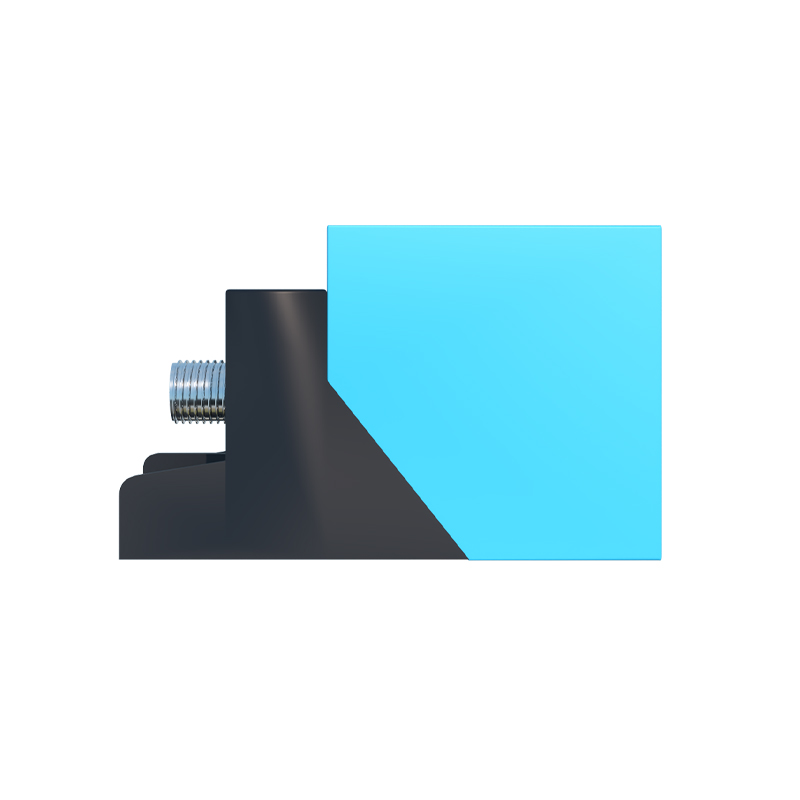
Selecting the right PN proximity sensor involves several key parameters beyond the PNP/NPN output type. Sensing distance, or the nominal range at which a standard target can be reliably detected, is primary. It's critical to note that the actual sensing distance can be affected by the target material, size, and shape. Factors like housing style (cylindrical, rectangular, or ring-shaped), connection type (cable or connector), and supply voltage range (commonly 10-30V DC) must align with the installation constraints. For demanding environments, specialists might opt for weld-field immune models that resist interference from strong magnetic fields near welding equipment, or all-metal housing variants for extreme mechanical stress.
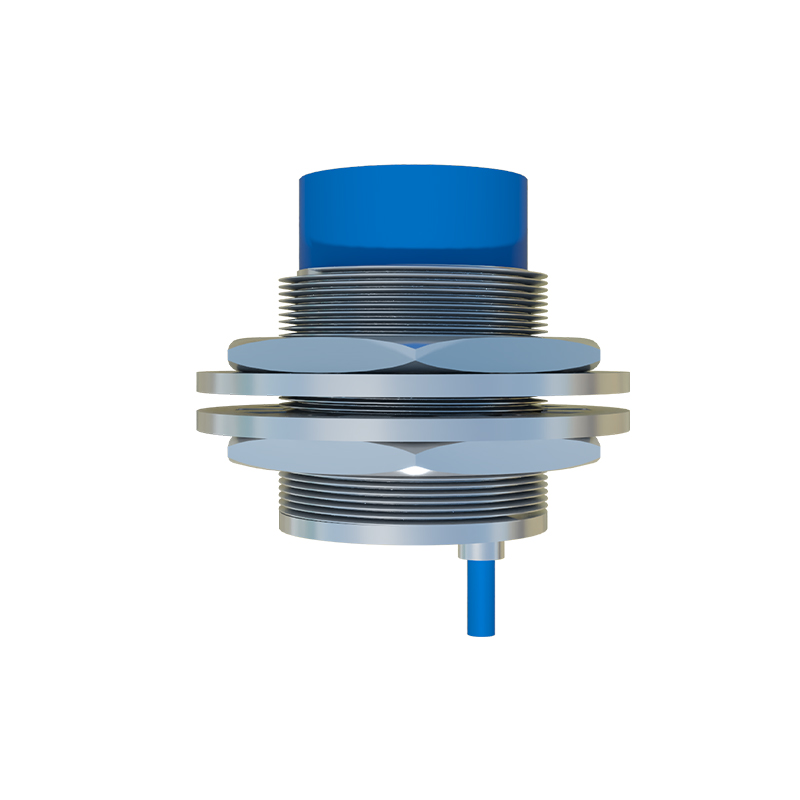
Installation and maintenance are straightforward but require attention to detail. Sensors should be mounted securely to minimize vibration. Adequate clearance from surrounding metal (the manufacturer's specified non-flush mount distance) is essential to prevent false triggering. While largely maintenance-free, periodic checks for physical damage, buildup of metallic debris on the sensing face, and verification of the output signal ensure long-term operational integrity.
In conclusion, PN proximity sensors represent a mature, yet continually evolving, technology. Their simple operating principle belies their critical role in enhancing productivity, ensuring safety, and enabling precise control in automated systems. By carefully considering the output type, sensing characteristics, and environmental factors, engineers and technicians can leverage these indispensable devices to build more reliable and efficient machinery. As Industry 4.0 and the Internet of Things (IoT) advance, the integration of diagnostic features and IO-Link communication into PN sensors is further expanding their capabilities, ensuring their relevance in the smart factories of the future.