In the modern workspace or study area, lighting plays a crucial role in comfort, productivity, and energy conservation. A significant innovation enhancing this experience is the integration of proximity sensors into desk lamps. This technology, often unseen, fundamentally changes how we interact with our lighting fixtures, moving beyond simple switches and dials.
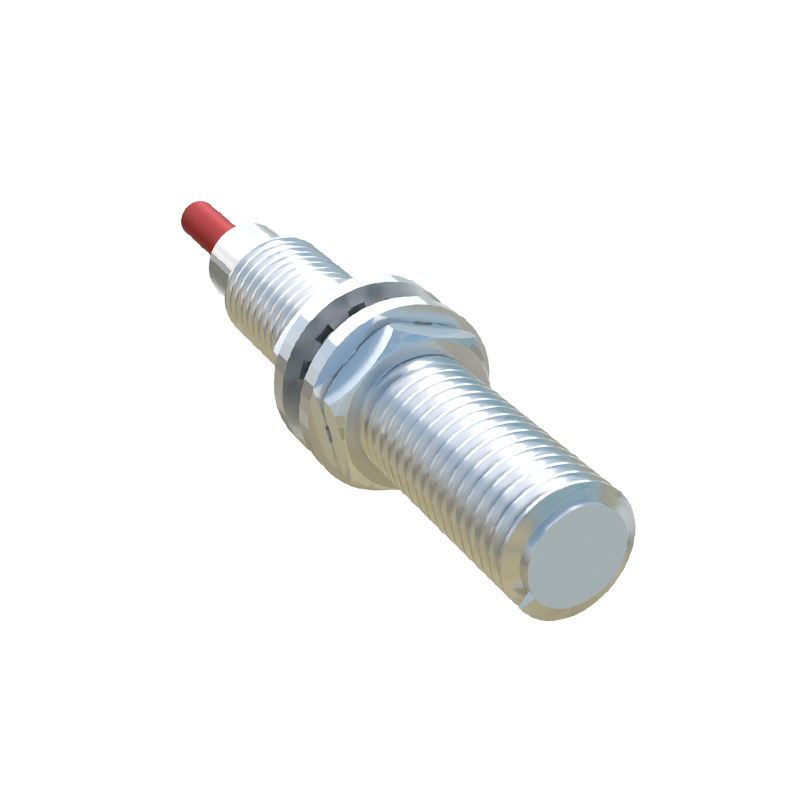
A proximity sensor in a desk lamp is a device that detects the presence or absence of a nearby object, typically a user's hand or body, without any physical contact. It works by emitting an electromagnetic field or a beam of electromagnetic radiation, often infrared light, and then looking for changes in the field or return signal. When you wave your hand close to the lamp, the sensor detects this movement and triggers a pre-programmed action. The most common application is touchless on/off and dimming control. Instead of fumbling for a small button, a simple wave can activate the light. More advanced systems can even detect when you leave your desk, automatically turning off the lamp to save energy, and turn it back on when you return.
The core technology behind these sensors varies. Infrared (IR) sensors are prevalent, using an IR LED to emit light and a photodiode to detect its reflection. Ultrasonic sensors emit high-frequency sound waves and measure the echo's return time. Capacitive sensors, another common type, detect changes in an electrical field caused by a conductive object like a human hand. Each type has its advantages concerning accuracy, cost, and power consumption, with IR and capacitive being most common in consumer desk lamps due to their reliability and low cost.
The benefits of incorporating this technology are manifold. Firstly, it offers unparalleled convenience and a modern, sleek user interface. It eliminates wear and tear on physical buttons. From a hygiene perspective, touchless control is a significant advantage in shared environments, reducing the spread of germs—a consideration that has gained immense importance. Secondly, it promotes energy efficiency. The automatic shut-off feature prevents the lamp from being left on for hours in an empty room, reducing electricity waste. This aligns with growing environmental consciousness and can lead to noticeable savings on energy bills over time.
Furthermore, these smart features can enhance focus. Some lamps use the sensor not just for on/off but to adjust brightness levels seamlessly, allowing the user to set the perfect ambiance without distracting manual adjustments. For designers, the absence of visible buttons allows for cleaner, more minimalist lamp designs.
When considering a desk lamp with a proximity sensor, there are a few practical aspects to evaluate. The sensor's range and sensitivity are key; it should be responsive without being triggered by accidental movements like passing papers. The feedback mechanism is also important—a gentle audible beep or a visual LED indicator can confirm the command was received. Compatibility with existing setups and the overall build quality of the lamp remain essential, as the sensor is just one component of a good lighting tool.
In conclusion, the proximity sensor represents a quiet revolution in desk lamp design. It transforms a static tool into an interactive, efficient, and intelligent companion for work and study. By offering touchless control, automated energy saving, and a futuristic feel, it addresses the needs of the contemporary user. As this technology becomes more standardized and affordable, we can expect it to shift from a premium feature to a standard expectation, making our interaction with light simpler, cleaner, and smarter.