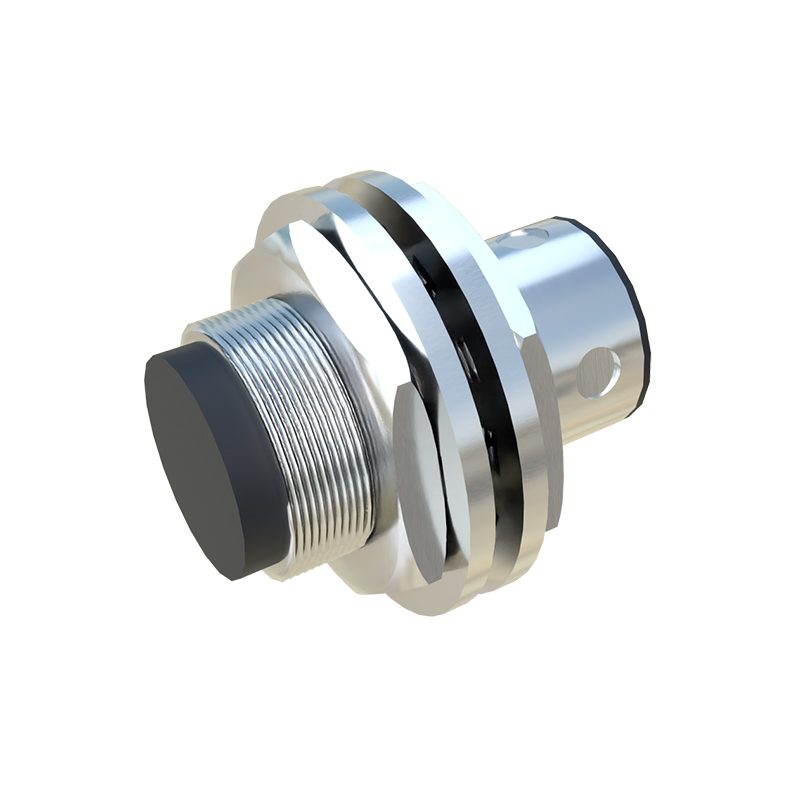
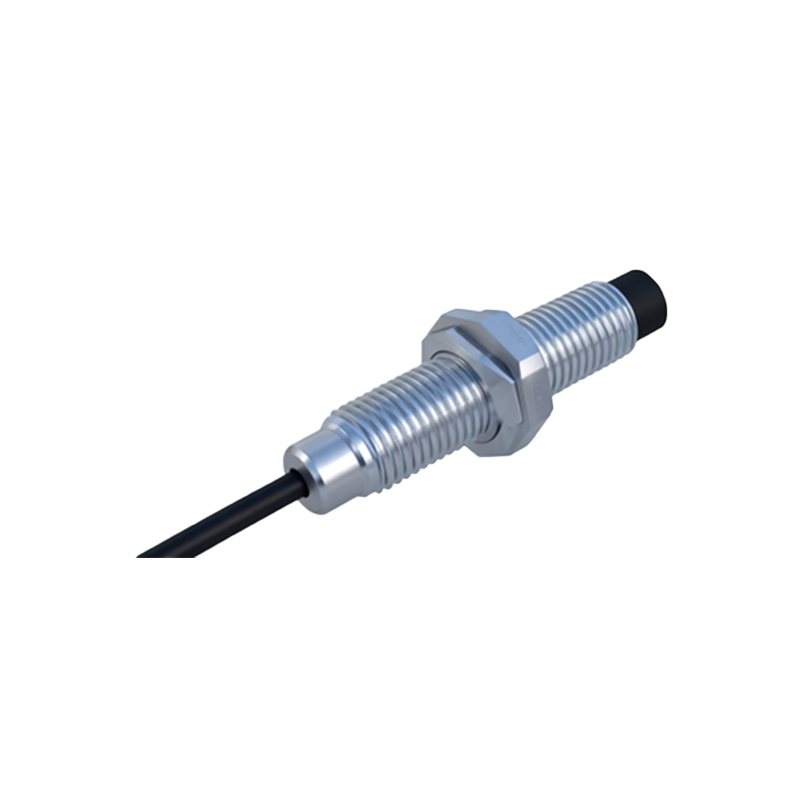
In the world of industrial automation and electronic design, proximity sensors are indispensable components. They detect the presence or absence of an object without physical contact, enabling countless applications from assembly lines to consumer devices. A common and critical question for engineers, purchasers, and hobbyists alike is: "What is the price of a proximity sensor?" The answer is rarely a single figure. The cost of these sensors is influenced by a complex interplay of technology, specifications, and market forces.
Understanding the core factors that drive proximity sensor pricing is essential for making informed purchasing decisions. The primary determinant is the sensing technology. Inductive proximity sensors, which detect metallic objects, are generally the most cost-effective, with basic models starting as low as $15 to $30 USD. Capacitive sensors, capable of detecting both metallic and non-metallic materials like plastic or liquid, typically command a higher price, often ranging from $30 to $80 for standard units. For longer-range detection or specific material requirements, ultrasonic and photoelectric sensors enter the picture. Photoelectric sensors, using light beams, can vary widely from $25 for simple diffuse models to over $150 for advanced, long-range or laser versions. Ultrasonic sensors, prized for their distance measuring capabilities, usually fall in the $50 to $200 bracket.
Beyond the core technology, specifications drastically alter the price tag. Sensing range is a major factor; a sensor with a 2mm range will be significantly cheaper than one rated for 20mm. The housing material also matters—stainless steel or chemically resistant housings for harsh environments cost more than standard nickel-plated brass or plastic. Output type (PNP vs. NPN, analog, IO-Link) and connection style (pre-wired cable vs. quick-disconnect) add layers to the cost structure. Sensors with advanced features like built-in diagnostics, adjustable sensing parameters, or high IP (Ingress Protection) ratings for waterproof and dustproof operation will see their prices climb accordingly.
Brand reputation and supply chain channels play a substantial role. Established global brands like Siemens, Omron, Schneider Electric, and Pepperl+Fuchs often carry a premium due to their proven reliability, extensive documentation, and worldwide support networks. Their sensors might be 20-50% more expensive than functionally similar sensors from reputable regional brands or specialized manufacturers. Purchasing directly from the manufacturer, through an authorized distributor, or from a large industrial supplier will yield different price points and warranty conditions. The rise of online marketplaces has also increased access to lower-cost alternatives, though considerations for quality assurance and technical support remain crucial.
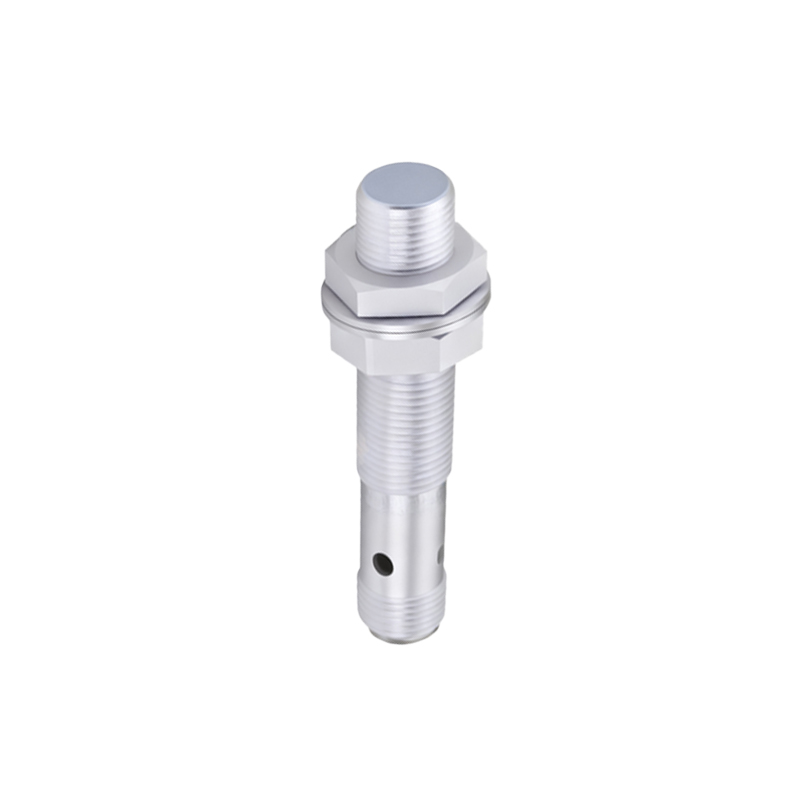
Current market trends continue to shape pricing. The increasing integration of smart features and Industrial Internet of Things (IIoT) connectivity, such as IO-Link, is adding value and cost to newer sensor generations. These "smart sensors" provide detailed condition monitoring data but start at a higher price point than their standard counterparts. Conversely, economies of scale and manufacturing advancements in certain high-volume technologies, like basic inductive sensors, exert downward pressure on prices. Global material costs and logistics challenges can also cause price volatility across the entire category.
For any project, the key is to avoid focusing solely on the initial purchase price. The concept of Total Cost of Ownership (TCO) is vital. A slightly more expensive sensor from a reliable brand that offers perfect compatibility, easy installation, and a longer operational lifespan will often prove more economical than a cheaper unit that fails prematurely, causes downtime, or requires complex integration work. Always cross-reference the sensor's datasheet specifications with your application's exact requirements for detection object, range, environment, and output needs.
In conclusion, proximity sensor prices are a spectrum. While a simple sensor for a benign application can be acquired for under $20, a specialized, ruggedized, or intelligent sensor for demanding industrial use can easily cost several hundred dollars. By carefully evaluating the technological requirements, environmental conditions, and long-term operational needs, buyers can navigate the market effectively to find the optimal balance between performance, durability, and cost.