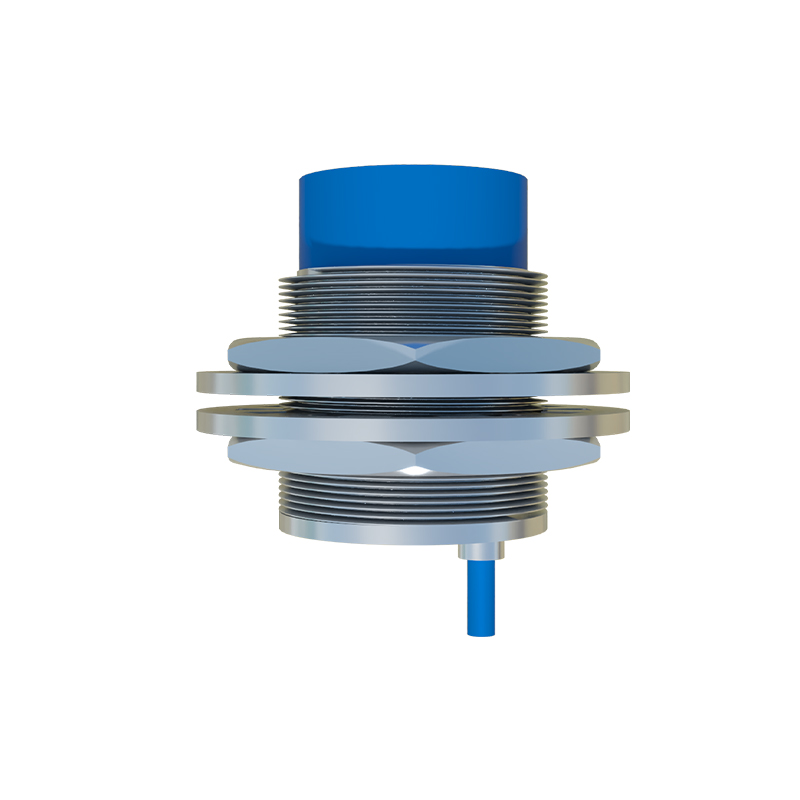
A short circuit in a proximity sensor is a critical fault that can lead to system downtime, equipment damage, and potential safety hazards. Unlike open circuits, which simply stop signal transmission, a short circuit creates an unintended low-resistance path, often causing excessive current flow. Understanding the root causes, learning to identify the symptoms, and implementing robust prevention strategies are essential for maintaining reliable automation systems.
The primary cause of a short circuit in a proximity sensor is insulation breakdown. This can occur due to several factors. Physical damage to the sensor cable is a common culprit. Cables can be crushed, cut, or abraded by moving machinery, sharp edges, or improper installation. Over time, the protective insulation wears away, allowing the internal conductors to touch each other or the grounded metal housing of the sensor or conduit. Environmental stress is another major contributor. Continuous exposure to moisture, corrosive chemicals, oils, or extreme temperatures degrades the cable insulation and sensor housing seals. Condensation inside a conduit or direct water ingress can create a conductive bridge between terminals. In high-vibration environments, internal wire strands can fatigue and break, with loose ends potentially contacting other components. Furthermore, electrical overloads from voltage spikes or lightning strikes can instantly puncture insulation, creating a permanent short.
Detecting a short circuit requires a methodical approach. The most obvious symptom is a sensor that is permanently "on" or "active," regardless of the target's presence. In a normally open (NO) sensor, this means the output is continuously energized. However, the symptoms can vary based on the sensor type (PNP/NPN) and the nature of the short. A short to the positive supply voltage might cause a constant high signal, while a short to ground might cause a constant low signal or blow a fuse. Technicians often use a digital multimeter (DMM) for diagnosis. With power disconnected, resistance checks between the output wire and the power supply or ground can reveal a low-resistance path indicating a short. Continuity tests between different conductors in the cable can also pinpoint internal shorts. In operational systems, monitoring the current draw with a clamp meter can be revealing; a current reading significantly higher than the sensor's specified rating strongly suggests a short circuit is present.
Preventing proximity sensor short circuits is far more cost-effective than repairing them. It begins with proper selection and installation. Choose sensors with an appropriate Ingress Protection (IP) rating for the environment—such as IP67 for washdown areas or IP69K for high-pressure cleaning. Use cables with robust, oil-resistant jackets and ensure strain relief is correctly applied at both the sensor and junction box connections. Routing cables away from heat sources, sharp edges, and high-traffic areas is crucial. Employing protective conduits, cable carriers, or flexible conduits in dynamic applications can shield cables from physical harm. Electrically, installing surge protection devices on the supply lines can guard against voltage transients. Implementing proper grounding practices for both the sensor and the machinery minimizes the risk of ground loop issues that can lead to failures.
When a short circuit is confirmed, replacement is usually the safest and most reliable solution. Attempting to repair a damaged sensor or cable in harsh industrial environments often leads to premature re-failure. Before installing a new sensor, always investigate and rectify the root cause of the initial failure. Was it physical damage? Improve the routing or add protection. Was it environmental? Verify the IP rating is sufficient. A systematic approach to troubleshooting and prevention not only resolves the immediate fault but also enhances the overall resilience of the control system, ensuring greater uptime and operational safety.