Square proximity sensors are essential components in modern automation and industrial systems. They detect the presence or absence of objects without physical contact, ensuring efficiency and safety. However, not all sensors perform equally. Understanding how to evaluate their quality can save time, reduce costs, and prevent operational failures.
First, consider the sensing range and accuracy. High-quality square proximity sensors offer consistent detection within specified distances, with minimal deviation. For instance, if a sensor is rated for a 10mm range, it should reliably detect objects within that limit without false triggers. Inconsistent performance often indicates poor calibration or low-grade components. Testing with standardized targets under varying conditions—such as temperature shifts or electrical noise—can reveal stability issues.
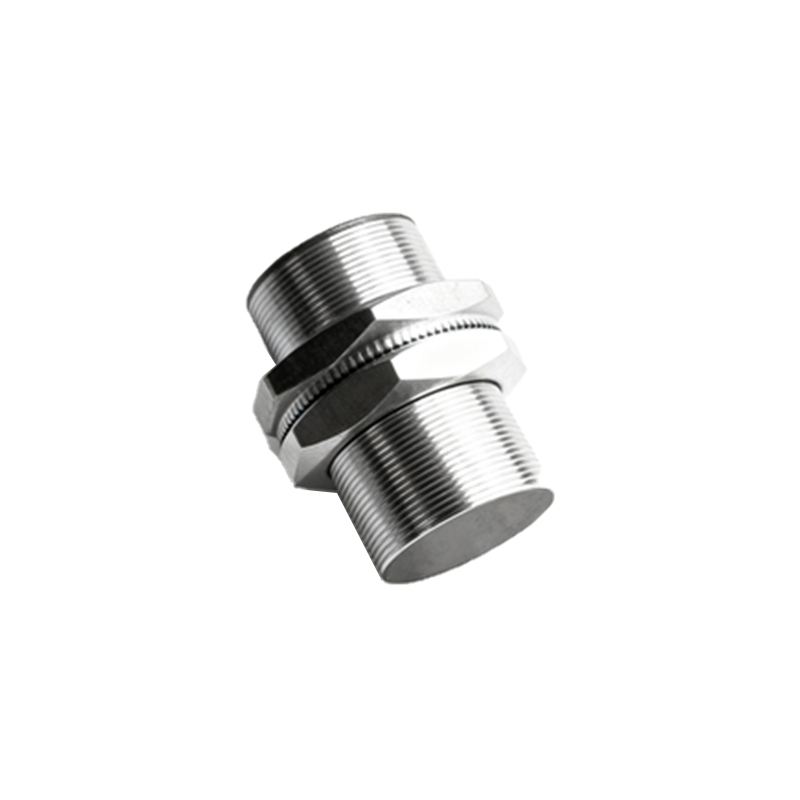
Next, examine the build and materials. Robust housing, typically made from stainless steel or durable plastics, protects internal electronics from dust, moisture, and mechanical impacts. Inferior sensors may use thin casings that crack under stress or corrode in harsh environments. Check for ingress protection (IP) ratings; IP67 or higher is ideal for industrial settings. Additionally, secure wiring connections and proper sealing at cable entry points prevent short circuits and signal loss.
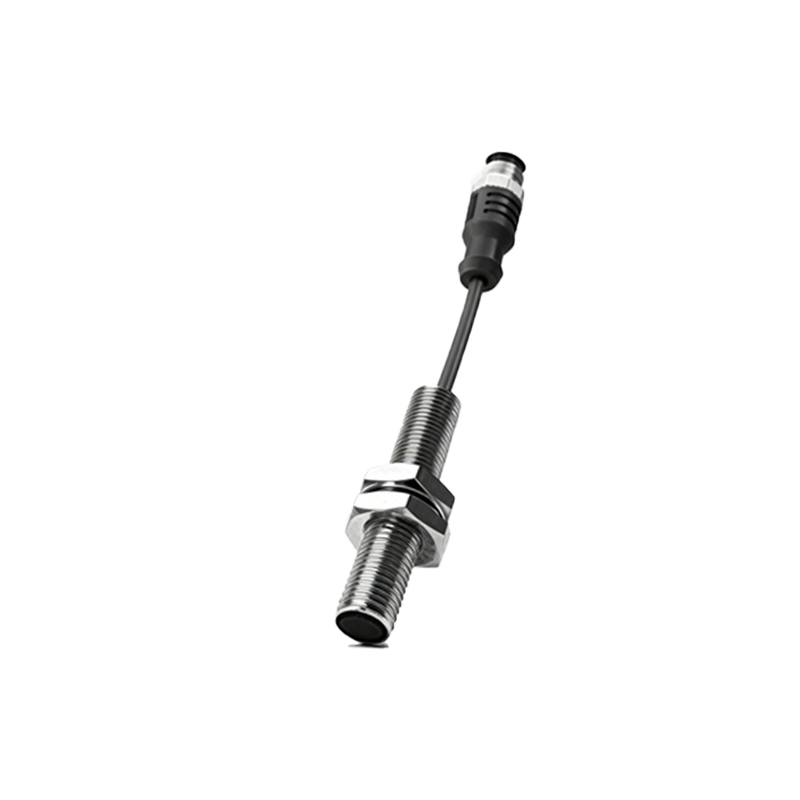
Response time is another critical factor. Quality sensors provide fast, repeatable responses, often in milliseconds, which is vital for high-speed applications like conveyor systems or robotic arms. Slow or erratic response times can cause production bottlenecks or safety hazards. Evaluate this by simulating real-world operations and measuring detection delays. Consistency across multiple cycles indicates reliable internal circuitry.
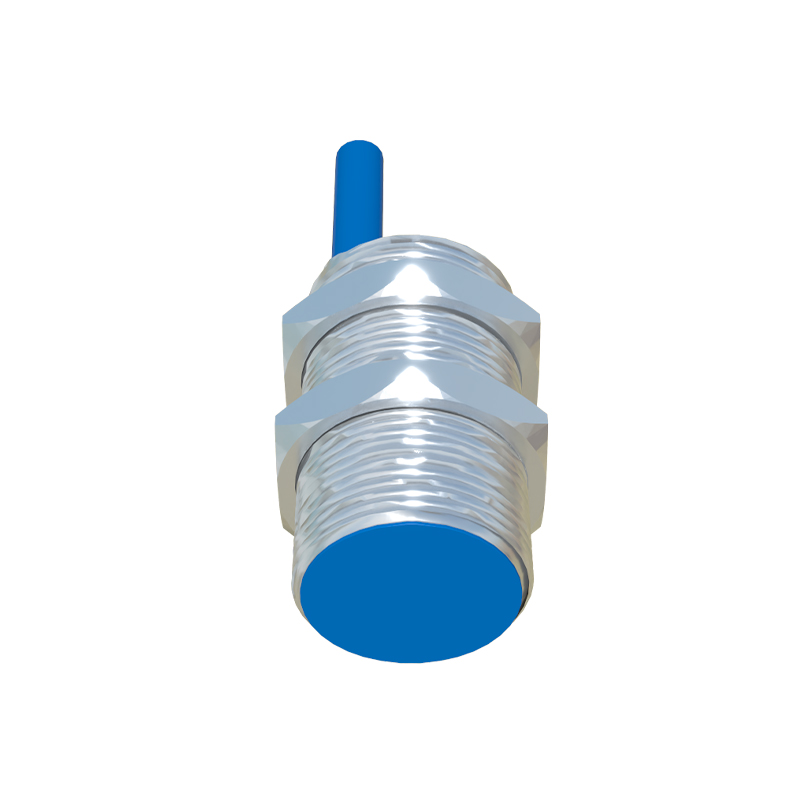
Electrical characteristics also matter. Look at the sensor’s voltage range, current consumption, and output type (e.g., NPN, PNP, or analog). High-quality models maintain stable operation within broad voltage fluctuations and consume minimal power to reduce heat generation. Poor sensors may overheat, drift in output signals, or fail under load. Using an oscilloscope to monitor output stability under load changes can uncover hidden flaws.
Environmental resilience is key for longevity. Quality square proximity sensors withstand temperature extremes, vibration, and exposure to chemicals without degradation. Check manufacturer specifications for operating temperature ranges and resistance to common industrial contaminants. Field tests in actual conditions—like near welding stations or washdown areas—provide practical insights. Sensors that fail prematurely often lack proper shielding or component ratings.
Finally, consider certification and manufacturer reputation. Reliable sensors comply with international standards (e.g., IEC, UL) and come from brands with proven track records. Documentation should include detailed datasheets, warranty terms, and support options. Avoid uncertified or generic sensors, as they may skip rigorous testing. Reviews from industry peers and case studies can offer unbiased perspectives on real-world performance.
In summary, assessing square proximity sensors involves a holistic approach: verify sensing consistency, inspect physical durability, test response speed, analyze electrical behavior, ensure environmental tolerance, and trust certified suppliers. Regular maintenance and calibration further extend sensor life. By prioritizing these aspects, users can select sensors that enhance system reliability and productivity, avoiding the pitfalls of subpar alternatives. Investing in quality upfront reduces downtime and long-term expenses, making it a strategic choice for any automation project.