In the world of industrial automation and electronic control, the need for reliable, non-contact detection is paramount. Among the various technologies available, the Hall effect proximity switch stands out for its durability, precision, and versatility. Unlike mechanical limit switches that require physical contact, these sensors detect the presence or absence of a magnetic field, enabling them to operate without wear and tear from touching the target object. This fundamental characteristic makes them indispensable in countless modern applications.
The core principle behind a Hall effect sensor is a well-established physical phenomenon discovered by Edwin Hall in 1879. When a conductor or semiconductor carrying a current is placed in a perpendicular magnetic field, a voltage difference, known as the Hall voltage, is generated across the material. In a Hall effect proximity switch, this sensitive element is integrated into a compact package alongside signal conditioning electronics. When a magnet or a ferromagnetic object (like steel) approaches the active face of the sensor, it disturbs the magnetic field, causing a change in the Hall voltage. The internal circuitry processes this change and triggers a clean, digital output signal—typically turning a solid-state switch ON or OFF. This output can interface directly with programmable logic controllers (PLCs), microcontrollers, or other control systems.
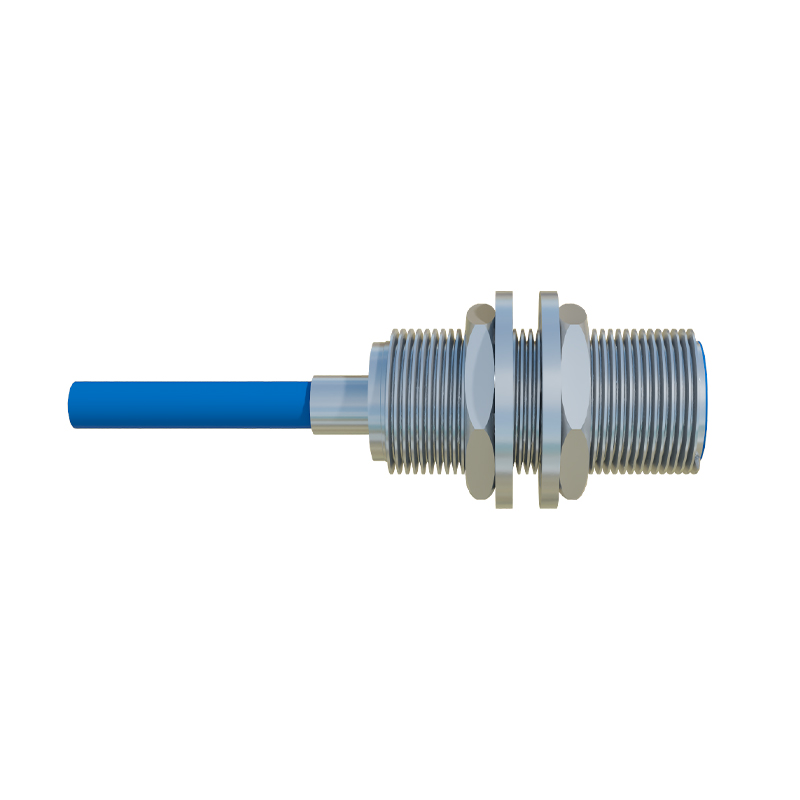
One of the primary advantages of Hall sensors is their exceptional reliability. With no moving parts to jam or contacts to arc, they offer a virtually infinite operational life in suitable environments. They are immune to dust, oil, and moisture (when properly sealed), making them ideal for harsh industrial settings such as machine tools, automotive assembly lines, and agricultural equipment. Their switching frequency is very high, allowing them to detect rapidly moving objects, which is crucial for speed sensing in motors or counting applications. Furthermore, they provide precise and repeatable switching points, meaning the sensor activates at exactly the same distance from the target every time.
The applications for Hall effect proximity switches are vast and varied. In the automotive industry, they are used for camshaft and crankshaft position sensing, gearbox speed detection, and seatbelt buckle detection. In factory automation, they serve as end-of-travel limit switches on linear actuators, detect the position of cylinders, and count metallic parts on conveyors. Consumer electronics utilize miniature Hall sensors for detecting flip or slide phone covers, and in brushless DC motors, they are critical for commutation, telling the controller exactly when to energize each coil. Even everyday devices like computer keyboards and anti-lock braking systems (ABS) rely on their silent, swift operation.
When selecting a Hall effect proximity switch for a specific task, several key parameters must be considered. First is the sensing distance, which is typically short-range (a few millimeters) and specified for a standard target. The type of output is crucial: some provide a simple digital on/off signal (unipolar switch), while others can distinguish between north and south magnetic poles (bipolar latch) or provide an analog output proportional to field strength. The physical housing and connection method (e.g., threaded barrel, rectangular block, or slot style) must suit the mounting constraints. Environmental factors like temperature range, ingress protection (IP) rating against water and dust, and resistance to electrical noise are also critical. Finally, one must choose between a sensor that requires a permanent magnet as a target or one that can detect ferrous metals directly, which often have a shorter range.
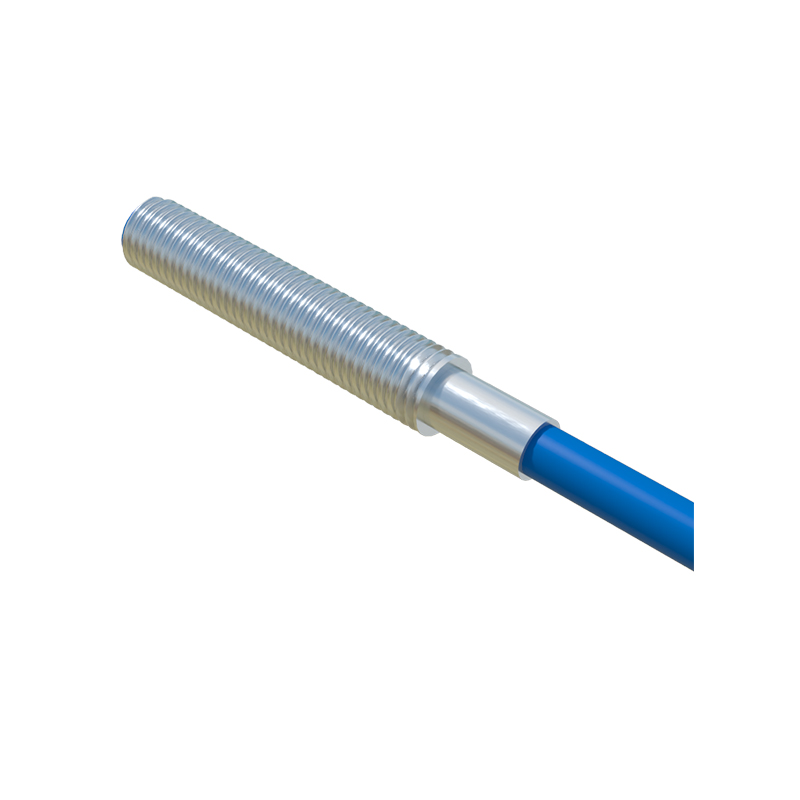
Installation and wiring are generally straightforward. Most industrial Hall proximity switches have three wires: brown for DC supply voltage (+), blue for common (-), and black for the output signal. It is vital to ensure the correct polarity and to include any necessary protective components, such as flyback diodes for inductive loads, as specified by the manufacturer. Proper alignment between the sensor and the target is essential for consistent performance; even a small angular misalignment can significantly reduce the effective sensing distance.
In conclusion, the Hall effect proximity switch is a cornerstone of modern sensing technology. Its non-contact operation, based on a fundamental physical law, delivers a combination of longevity, speed, and accuracy that mechanical switches cannot match. From controlling complex robotic arms to ensuring the safe operation of a vehicle, these sensors provide the essential interface between the physical movement of objects and the digital world of control systems. Understanding their operating principles, benefits, and selection criteria empowers engineers and technicians to implement robust and efficient automation solutions across a diverse spectrum of industries.