In the fast-paced world of construction, concrete pump trucks are indispensable for delivering large volumes of concrete precisely where needed. However, operating these massive vehicles, especially with their long, articulated booms, presents significant safety challenges in congested work zones. This is where proximity sensor technology steps in, becoming a critical component for modern pump truck operation. Proximity sensors on concrete pump trucks are non-contact detection devices designed to identify the presence of objects or personnel within a hazardous range of the moving boom or truck body. They act as an electronic safety net, providing operators with real-time alerts and, in advanced systems, automatically slowing or halting boom movement to prevent collisions.
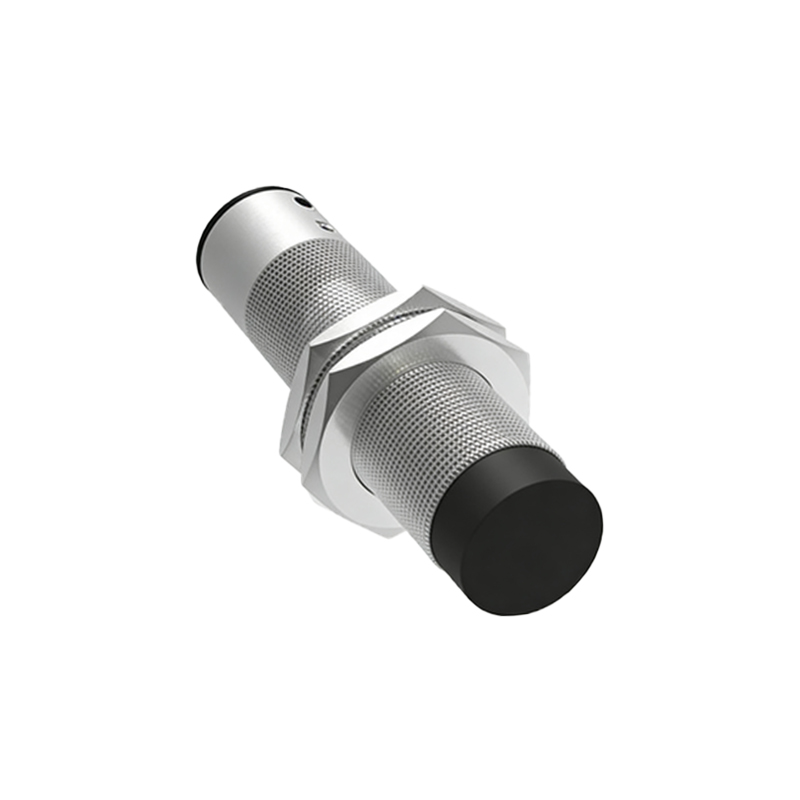
The core technology behind these sensors varies, with ultrasonic, radar, and laser-based systems being the most prevalent. Ultrasonic sensors emit high-frequency sound waves and measure the echo's return time to calculate distance. They are cost-effective and perform well in dusty environments common to construction sites. Radar sensors use radio waves, offering superior performance in adverse weather conditions like rain or fog. Laser sensors, or LiDAR, provide extremely high-resolution, precise distance measurements but can be more sensitive to environmental obstructions. The choice of sensor often depends on the specific application, required range, and environmental factors on the job site.
The primary application is boom-tip collision avoidance. Sensors mounted at the end of each boom section continuously monitor the surroundings. When the boom approaches a structure, power line, or another vehicle within a pre-set safety envelope, the system triggers visual and audible alarms in the operator's cabin. More integrated systems can interface directly with the pump's hydraulic controls to initiate a "soft stop" or restrict movement toward the hazard. This is crucial not only for preventing property damage but, more importantly, for safeguarding workers on the ground who might be in a blind spot.
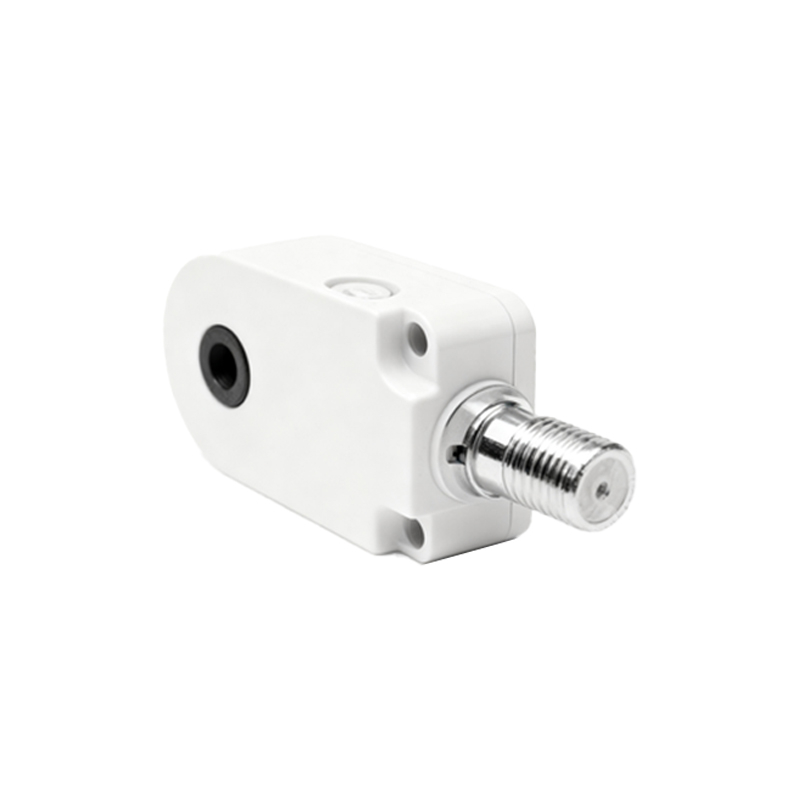
Another vital application is outrigger monitoring. Proper outrigger deployment is fundamental to the stability of the entire pump truck. Proximity sensors or limit switches are used to confirm that each outrigger is fully extended and securely positioned on stable ground before pumping operations begin. This sensor feedback is interlocked with the control system, often preventing boom movement unless all outriggers are correctly deployed, thereby mitigating the risk of a catastrophic tip-over.
The benefits of integrating robust proximity sensor systems are substantial. The most significant is the dramatic enhancement of on-site safety. By creating an invisible buffer zone around dangerous moving parts, these sensors directly reduce the likelihood of struck-by incidents, which are a leading cause of injuries in construction. This fosters a stronger safety culture and helps companies comply with increasingly stringent occupational safety regulations.
Beyond safety, there is a clear efficiency gain. Operators can work with greater confidence and speed, especially in complex pours with numerous obstacles. The reduction in minor collisions and near-misses minimizes downtime for repairs and inspections. Furthermore, the data logged by these sensor systems can be invaluable for incident analysis, operator training, and demonstrating due diligence in safety management to clients and insurers.
For fleet managers and construction companies, investing in pump trucks equipped with advanced proximity sensing is a forward-thinking decision. When specifying or retrofitting sensors, key considerations include the sensor's detection range, field of view, resistance to vibration and environmental contaminants (concrete slurry, dust, extreme temperatures), and the reliability of the control system integration. Regular maintenance and calibration are essential to ensure these electronic guardians function as intended.
As job sites become more congested and the push for zero-incident projects grows stronger, the role of proximity sensors in concrete pumping will only expand. Future developments may include more sophisticated 3D mapping of the work area, integration with site-wide IoT safety systems, and the use of artificial intelligence to better predict and react to potential hazards. For now, this technology stands as a proven and effective layer of protection, ensuring that the immense power of a concrete pump truck is matched by an intelligent system dedicated to safe and productive operation.