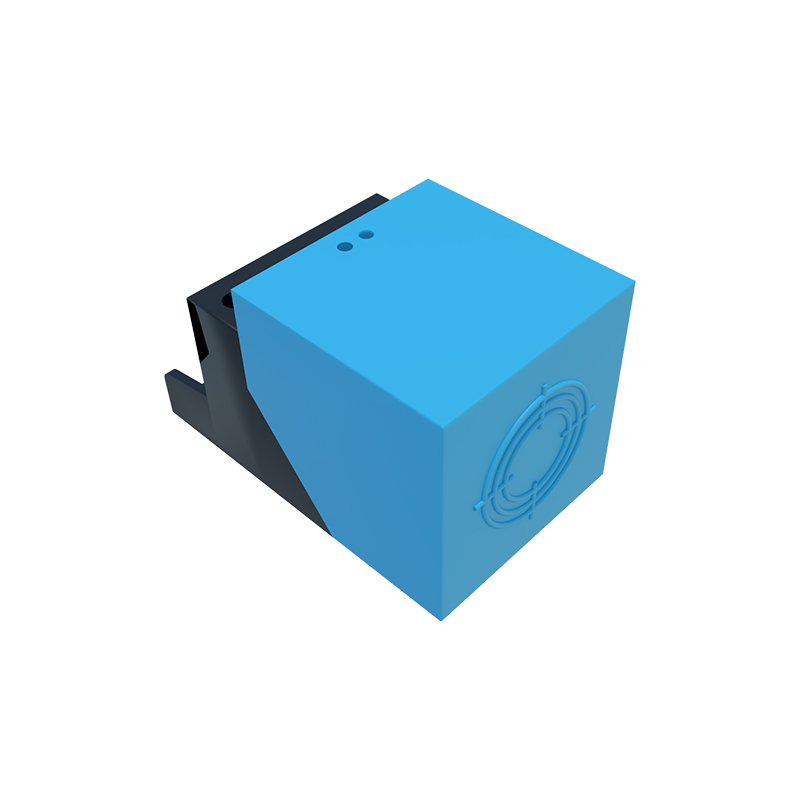
In an increasingly automated world, the ability for machines to perceive their surroundings without physical contact is paramount. This is the domain of proximity sensing, a technology that has undergone a revolutionary transformation with the advent of flexible electronics. Flexible proximity sensors represent a significant leap from their rigid, conventional counterparts, enabling a new paradigm of seamless, intuitive, and safe interaction between humans, machines, and environments.
Traditional proximity sensors, often based on infrared, ultrasonic, or capacitive principles mounted on rigid printed circuit boards (PCBs), have served well in industrial settings. However, their inflexibility limits their application in emerging fields like wearable technology, soft robotics, and bio-integrated systems. Flexible proximity sensors overcome this barrier. They are typically fabricated using novel materials such as conductive polymers, carbon nanotubes, graphene, or metallic nanowires embedded in or printed onto pliable substrates like polyimide, polydimethylsiloxane (PDMS), or even textile fabrics. This fundamental shift in material science grants them the ability to bend, stretch, twist, and conform to complex, dynamic surfaces.
The operational principle often hinges on capacitive sensing, which is particularly suited for flexibility. A typical flexible capacitive proximity sensor consists of a pair of compliant electrodes separated by a dielectric layer. When an object enters the sensor's electric field, it alters the capacitance between the electrodes. This minute change is detected and translated into a distance measurement. The flexibility of all components ensures this detection remains stable even under deformation. Other mechanisms, such as flexible optical or magnetic sensing arrays, are also being actively developed.
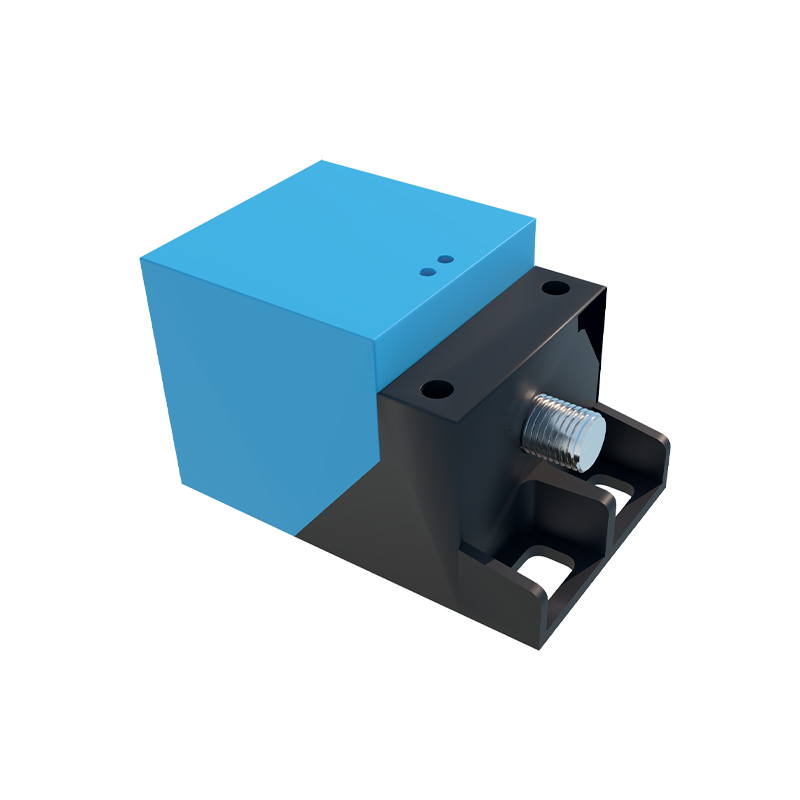
The applications for these conformal sensors are vast and transformative. In consumer electronics, imagine a smartphone that can sense your hand approaching from the side and pre-activate its display, or a wearable band that controls music volume with a wave of the hand. In automotive interiors, flexible sensors integrated into dashboards or headliners can enable touchless control of infotainment systems, enhancing driver safety by reducing visual distraction. The healthcare sector stands to benefit enormously. Flexible proximity sensors woven into smart clothing or attached to the skin can monitor breathing patterns or limb movement during sleep or rehabilitation without any restrictive wiring or rigid components, improving patient comfort and compliance.
Perhaps one of the most promising frontiers is in the realm of soft robotics. For a soft robotic gripper to safely handle delicate objects like fruit or human tissue, it must possess a sense of "touch" before physical contact is made. Arrays of flexible proximity sensors on the robot's surface provide this spatial awareness, allowing for gentle, adaptive grasping and manipulation, preventing damage and enabling more autonomous operation in unstructured environments.
Despite the exciting progress, challenges remain on the path to widespread commercialization. Key hurdles include ensuring long-term stability and consistent performance under repeated mechanical stress, environmental factors like humidity, and signal drift. Manufacturing processes for high-density, multi-functional sensor arrays on flexible substrates need to become more scalable and cost-effective. Furthermore, the integration of power sources, signal processing circuitry, and wireless communication modules into a truly flexible system—an "electronic skin"—is an area of intense research.
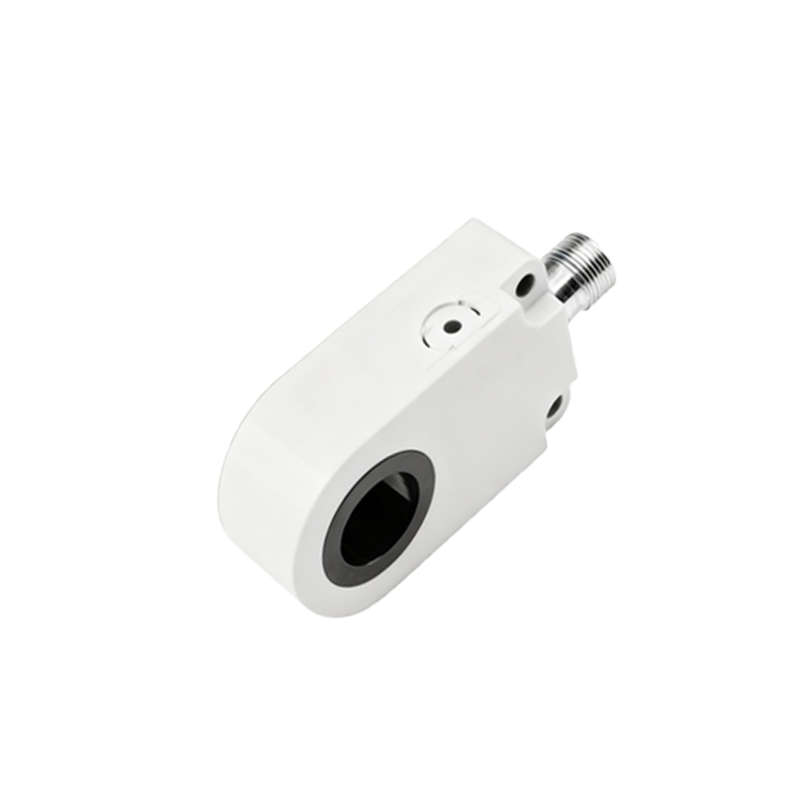
Ongoing research is addressing these challenges through material innovation and novel designs. Self-healing polymers can repair minor cracks, extending sensor lifespan. Biodegradable materials are being explored for transient medical implants. Advanced micro-patterning and printing techniques, such as inkjet and 3D printing, allow for the precise deposition of sensing materials on flexible backplanes, paving the way for customizable, large-area sensor networks.
In conclusion, flexible proximity sensors are far more than just bendable versions of old technology. They are enablers of a more natural and integrated interface between the digital and physical worlds. By conforming to the shapes of life itself—the human body, robotic actuators, and everyday objects—they unlock possibilities in healthcare, robotics, and interactive systems that were previously constrained by the rigidity of traditional electronics. As material science and fabrication techniques continue to mature, these invisible, touchless sensing layers will become an integral part of our intelligent environment, making interactions smoother, safer, and more intuitive.