In the world of industrial automation and machine safety, the ability to detect the presence or absence of an object without physical contact is paramount. Collision proximity switch sensors, often simply called proximity sensors, are the silent guardians performing this critical task. These robust electronic devices are engineered to detect when a target object enters their sensing field, triggering an output signal to control machinery, initiate processes, or, most importantly, prevent damaging collisions.
At their core, collision proximity sensors operate on various physical principles, each suited to different materials and environments. The most common types include inductive, capacitive, and ultrasonic sensors. Inductive proximity sensors are the workhorses for detecting metallic objects. They generate an electromagnetic field. When a ferrous or non-ferrous metal target enters this field, it causes a change in the oscillation amplitude within the sensor's coil. This change is detected by the sensor's circuitry, which then switches its output state. These sensors are incredibly reliable, resistant to dirt, oil, and water (often rated IP67 or higher), and have no moving parts, leading to a long operational life. They are ubiquitous in manufacturing for tasks like counting metal parts, detecting the position of a machine arm, or ensuring a metal door is closed.
For non-metallic materials such as wood, plastic, glass, or liquids, capacitive proximity sensors are the ideal choice. They function by generating an electrostatic field. Any object that enters this field, regardless of its material, alters the capacitance of the sensor's circuit. This alteration is measured, and when it reaches a preset threshold, the sensor activates. This makes them perfect for level detection in tanks (liquid or granular solids), detecting filled containers on a conveyor belt, or ensuring the presence of a label on a bottle. Their sensitivity is often adjustable to prevent false triggers from background materials.
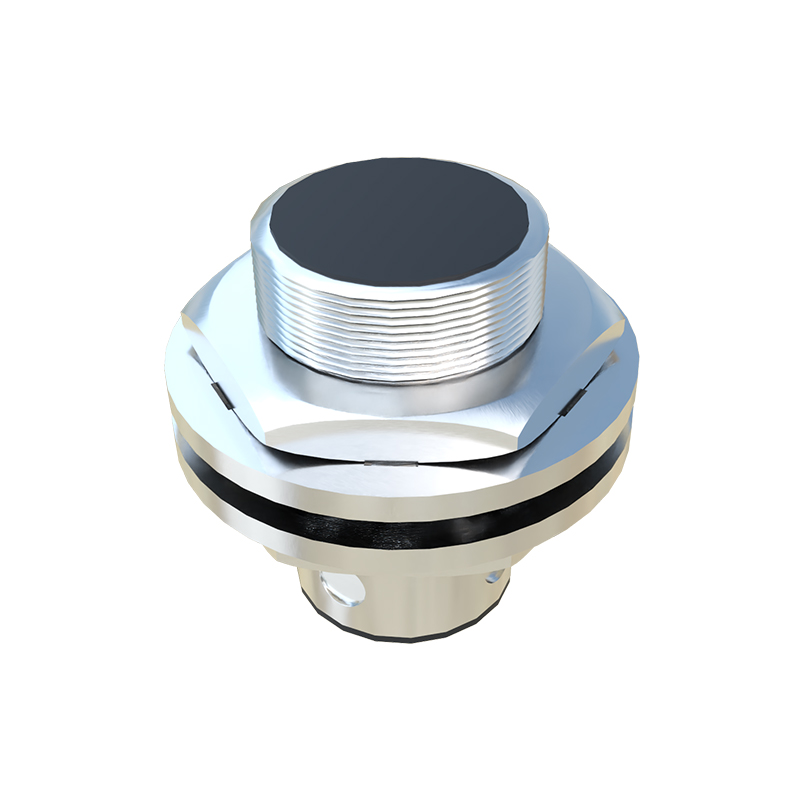
In applications requiring longer sensing ranges or the detection of complex shapes and surfaces, ultrasonic proximity sensors excel. They emit high-frequency sound waves and measure the time it takes for the echo to return. By calculating this time-of-flight, they can precisely determine the distance to an object. This technology is not affected by the object's color, transparency, or material (though sound-absorbing materials can be challenging). They are widely used in parking assistance systems, collision avoidance on automated guided vehicles (AGVs), and precise positioning in packaging machinery.
The primary function of a collision proximity switch in a safety context is to prevent mechanical damage. For instance, on a large automated milling machine, an inductive sensor can be positioned to detect if the protective guard is correctly in place before the spindle starts. If the guard is open, the sensor sends a signal to the machine's control system to inhibit operation, preventing potential injury or damage. On assembly lines, sensors ensure robotic arms do not over-travel and collide with their end-stops or other equipment. In material handling, they prevent stacker cranes from crashing into the ends of warehouse aisles.
Selecting the right collision proximity sensor requires careful consideration of several factors. The sensing range, typically a few millimeters to several tens of millimeters for inductive and capacitive types, must be appropriate for the application. The housing material is critical; sensors in harsh environments may require stainless steel housings. The output type—typically a discrete PNP (sourcing) or NPN (sinking) transistor, or a relay contact—must be compatible with the programmable logic controller (PLC) or other control device. Environmental factors like temperature extremes, washdown conditions, or exposure to welding spatter will dictate the required ingress protection (IP) rating.
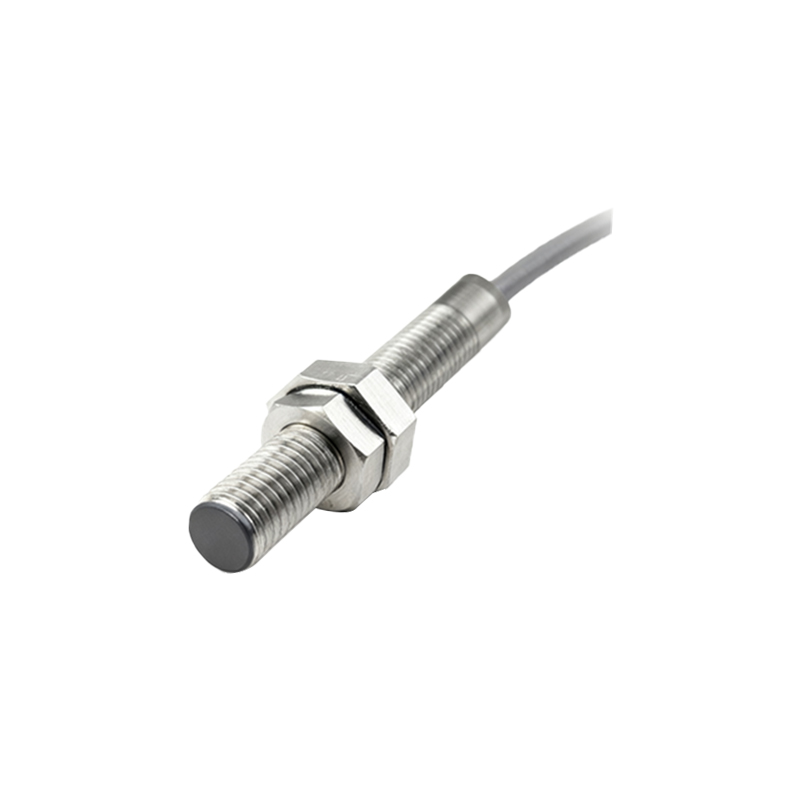
Installation and maintenance are straightforward but vital for reliable operation. Sensors must be mounted securely to avoid vibration-induced failure. For inductive sensors, it's crucial to maintain the specified lateral and axial distances from metal mounting surfaces or other sensors to prevent mutual interference, a concept known as "shielding." Regular checks for physical damage, buildup of debris on the sensing face (which can reduce range), and verification of output signals are part of a good preventative maintenance routine.
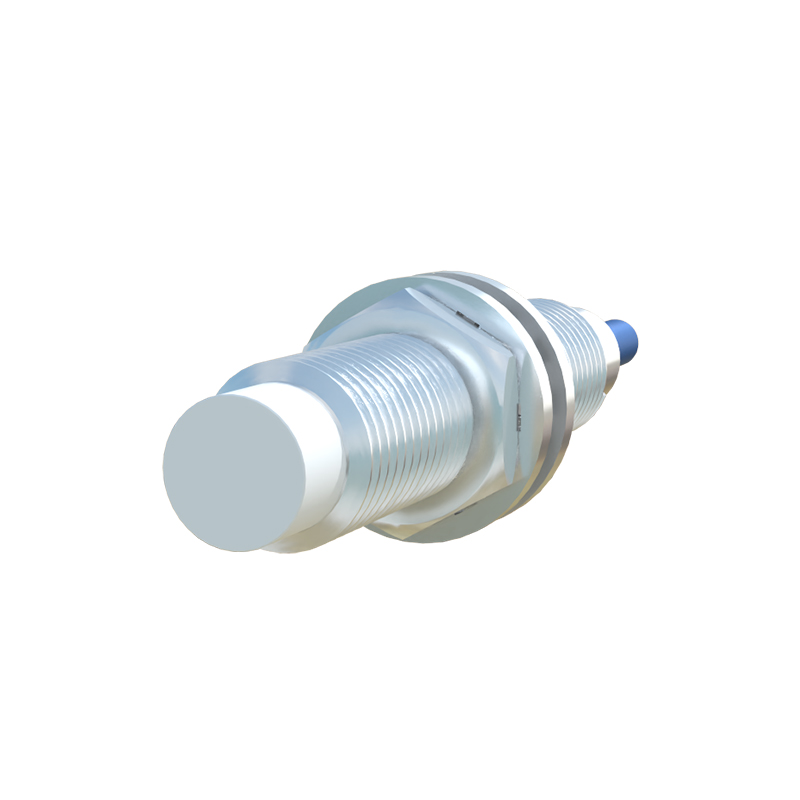
From the precise, high-speed world of semiconductor fabrication to the rugged, dusty environment of a sawmill, collision proximity switch sensors are indispensable. They enhance productivity by enabling faster, non-contact detection, improve product quality through consistent process control, and fundamentally safeguard both expensive capital equipment and human operators. Their evolution continues with the integration of IO-Link communication, allowing for digital parameter setting, advanced diagnostics, and process data reporting, ushering in a new era of smart, connected sensing for Industry 4.0 applications.