Laser scattering sensors represent a sophisticated class of optical instruments designed to detect, measure, and analyze particles or surfaces by interpreting the light they scatter. At their core, these sensors operate on a fundamental principle of physics: when a focused laser beam strikes a target—be it a dust particle in the air, a droplet in a liquid, or a material surface—the light interacts with the target and is scattered in various directions. This scattered light carries rich information about the target's properties, such as its size, concentration, shape, and even composition. By capturing and analyzing this scattered light pattern with a sensitive photodetector, the sensor can derive precise quantitative data without physical contact.
The operational mechanism typically involves several key components. A stable laser diode emits a coherent, monochromatic light beam, which is then precisely focused onto a measurement volume or point. When particles pass through this illuminated zone, they scatter the light. A strategically positioned detector, often placed at a specific angle (like 90 degrees for optimal signal-to-noise ratio in many designs), collects a portion of this scattered light. The intensity of the scattered light is directly related to the particle's size and refractive index. Sophisticated signal processing electronics and algorithms then convert the detected light pulses into digital data, providing real-time measurements. For surface inspection, the principle adapts to analyze the scatter pattern from a surface, which reveals details about roughness, defects, or contamination.
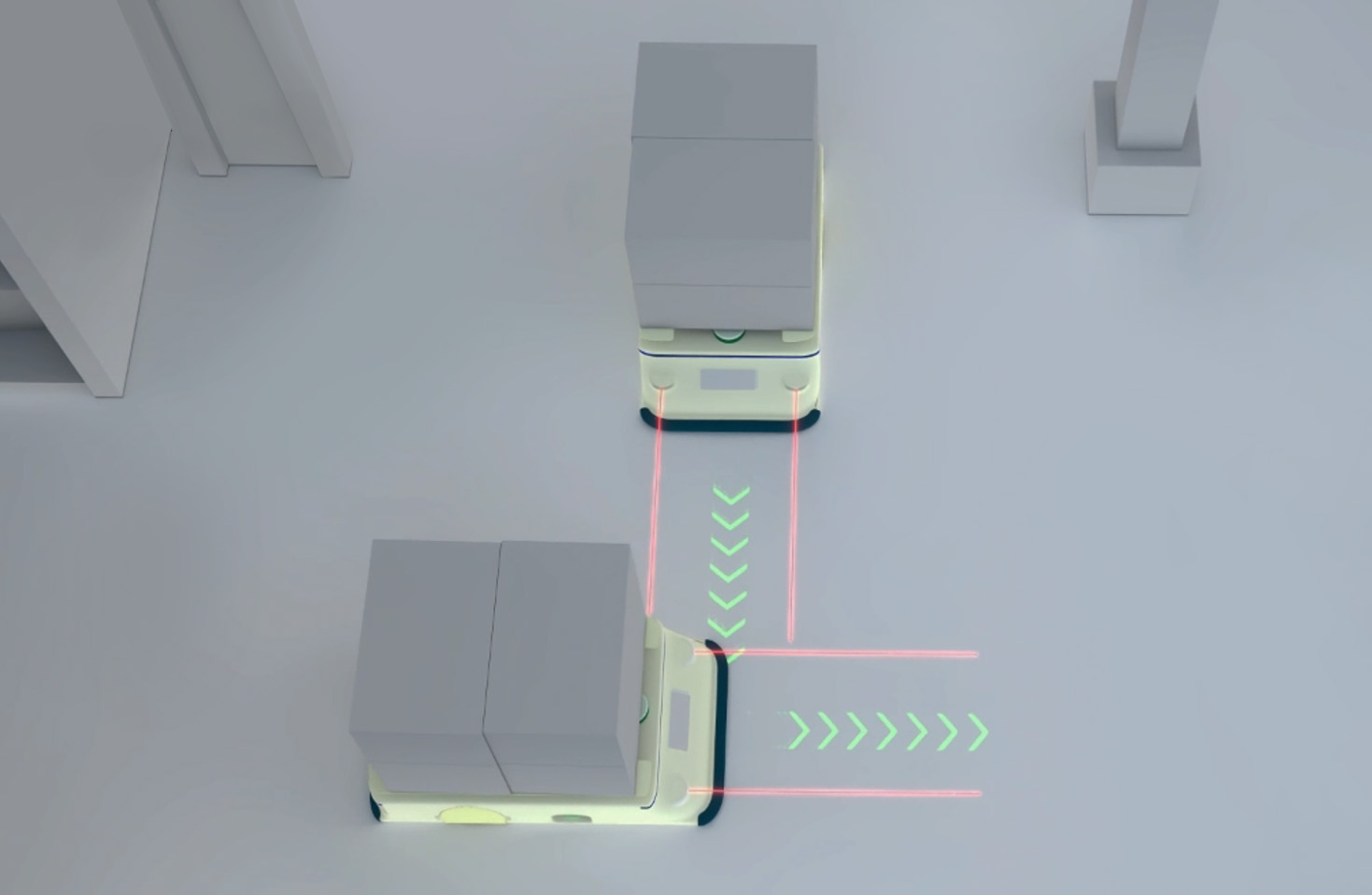
The applications of laser scattering sensors are remarkably diverse, spanning numerous industries. In environmental monitoring, they are crucial for measuring airborne particulate matter (PM2.5, PM10), providing essential data for air quality assessments and pollution control. Within pharmaceutical and biotechnology manufacturing, these sensors ensure product purity by monitoring particle counts in cleanrooms, injectable drugs, and process water. The semiconductor industry relies on them for ultra-clean manufacturing environments. In industrial process control, they facilitate real-time monitoring of powder flow, spray droplet size, and emulsion quality, optimizing production efficiency and consistency. Furthermore, they play a vital role in engine exhaust analysis, fuel injection research, and even in consumer products like air purifiers.
Compared to alternative sensing technologies, laser scattering sensors offer a compelling set of advantages. Their non-contact nature eliminates the risk of sample contamination or sensor wear, ensuring long-term reliability and minimal maintenance. They provide extremely fast response times, enabling real-time process monitoring and control critical for modern automation. The technology is highly sensitive, capable of detecting sub-micron particles, and offers a wide dynamic range for measuring varying concentrations. Modern digital designs allow for easy integration into industrial networks and IoT systems. However, understanding their limitations is also important. Measurements can be influenced by the particle's material properties (refractive index), and very high concentrations can lead to signal saturation or multiple scattering errors, requiring careful calibration and application-specific setup.
Selecting the right laser scattering sensor requires careful consideration of the application's specific parameters. Key factors include the required particle size range, the expected concentration levels, the nature of the medium (air, liquid, gas stream), and the necessary sampling rate. Environmental conditions like temperature, pressure, and potential presence of corrosive elements also dictate the required sensor housing and material specifications. For integration, compatibility with existing control systems and data output formats (analog, digital, bus protocols) is essential. Proper installation, regular calibration against known standards, and adherence to maintenance schedules are crucial for sustaining measurement accuracy over the sensor's operational lifespan.

In conclusion, laser scattering sensors are indispensable tools in the quest for precise, non-invasive measurement and analysis across scientific and industrial fields. By harnessing the interaction between light and matter, they deliver critical data that drives quality assurance, process optimization, and environmental protection. As laser and detector technologies continue to advance, these sensors are becoming even more compact, robust, and intelligent, promising broader adoption and new applications in the evolving landscape of smart manufacturing and precision analytics. Their ability to provide immediate, actionable insights makes them a cornerstone of modern measurement technology.