Proximity sensors are ubiquitous in modern technology, operating silently and efficiently to enhance safety, convenience, and functionality. Unlike simple contact switches, these devices detect the presence or absence of nearby objects without any physical touch, using various fields or radiation. Their applications span from industrial automation to the consumer devices we use daily. Here are concrete examples illustrating their vital role.
In the automotive industry, proximity sensors are critical for safety and driver assistance. Modern vehicles are equipped with ultrasonic sensors embedded in the bumpers for parking assistance. When reversing, these sensors emit high-frequency sound waves. If an object is within a set range, the waves reflect back, and the system calculates the distance, providing the driver with audible beeps that increase in frequency as the car gets closer to an obstacle. More advanced systems use radar-based sensors for Blind Spot Detection (BSD). These sensors monitor the areas alongside and behind the vehicle, alerting the driver with a visual indicator on the side mirror if another vehicle is in the blind spot, preventing potential lane-change collisions.
Smartphones represent one of the most common interactions people have with proximity sensors. A small infrared (IR) or capacitive sensor is located near the earpiece. During a phone call, when the device is brought close to the ear, the sensor detects the proximity and automatically turns off the touchscreen display. This prevents accidental cheek presses that could mute the call or activate other functions. Similarly, the same sensor helps conserve battery power by turning off the display when the phone is placed in a pocket or bag.
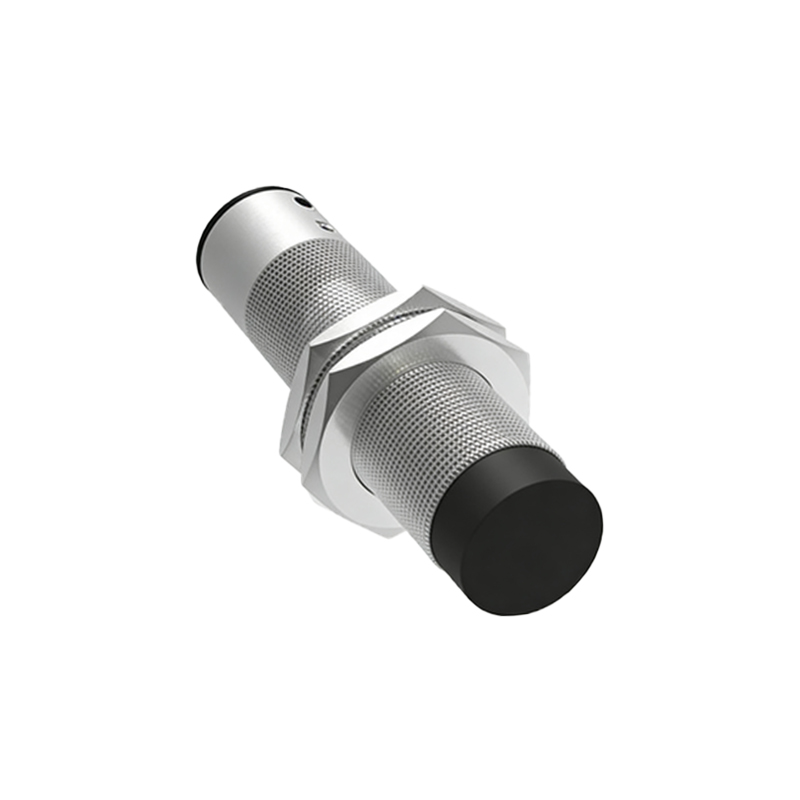
Industrial manufacturing and robotics rely heavily on inductive and capacitive proximity sensors for automation and safety. Inductive sensors, which detect metallic objects, are used on assembly lines to count metal parts, confirm the position of a robotic arm, or verify that a component is present before a welding operation begins. For instance, in a bottling plant, an inductive sensor can confirm a metal cap is properly seated. Capacitive sensors, which can detect both metallic and non-metallic materials like plastic, glass, or liquids, are used to monitor fill levels in tanks or detect the presence of a cardboard box on a conveyor belt. Safety light curtains, which are arrays of photoelectric sensors, create an invisible barrier around dangerous machinery; if a worker's hand breaks the beam, the machine immediately stops to prevent injury.
In the realm of consumer appliances and home automation, proximity sensors add a layer of convenience. Many modern hand dryers and automatic faucets in public restrooms use infrared sensors. A small IR LED emits light, and a photodetector looks for its reflection off a user's hands. When hands are placed under the faucet or in the dryer, the reflected light triggers the water flow or the fan, promoting hygiene and reducing waste. Similarly, some smart lighting systems use passive infrared (PIR) sensors for motion detection, turning lights on when someone enters a room and off after a period of inactivity, thereby saving energy.
Retail and public spaces utilize proximity sensing for interactive displays and access control. Museum exhibits often employ capacitive or IR sensors to start a video or audio presentation when a visitor approaches. Automatic sliding doors at supermarkets and airports typically use microwave or passive infrared sensors. These sensors detect motion and body heat within a specific zone, commanding the door to open smoothly, facilitating hands-free access for people carrying items or using wheelchairs.
Even in aerospace and aviation, proximity sensors are indispensable. Aircraft use radar altimeters, a form of radio wave-based proximity sensor, to measure the exact height above the ground during landing, a critical parameter for safe touchdown. On the ground, ultrasonic sensors help pilots navigate large aircraft into tight gate positions at airports.
From preventing a minor inconvenience like a pocket-dial to ensuring the safe operation of a 10-ton industrial press, proximity sensors are fundamental components. Their ability to provide non-contact, reliable detection makes them indispensable across countless sectors. As the Internet of Things (IoT) and automation continue to grow, the applications for these versatile sensors will only expand, becoming even more seamlessly integrated into the fabric of daily life and industrial processes.