In the realm of industrial automation, where precision, speed, and reliability are non-negotiable, Datalogic laser sensors stand as a cornerstone technology. These sophisticated devices harness the power of focused light to perform a multitude of critical tasks, from precise measurement and positioning to flaw detection and object counting, all without physical contact. The core principle involves emitting a laser beam towards a target. The sensor then analyzes the properties of the reflected light—such as its intensity, time-of-flight, or triangulation angle—to derive accurate data about the object's presence, distance, dimensions, or surface characteristics. This non-contact methodology is paramount in environments demanding hygiene, handling delicate materials, or operating at high speeds where mechanical touch would be impractical or damaging.
Datalogic, a global leader in automatic data capture and industrial automation, has engineered its laser sensor portfolio to meet the rigorous demands of diverse sectors. In manufacturing, for instance, these sensors ensure robotic arms place components with micron-level accuracy on assembly lines. They verify the correct height of solder paste on printed circuit boards or detect minuscule defects on automotive parts that are invisible to the human eye. Within logistics and packaging, laser sensors precisely measure box dimensions for volumetric weighing, confirm lid placement on containers, and guide automated guided vehicles (AGVs) by detecting reflectors or navigating along predefined paths. The food and pharmaceutical industries benefit immensely from their ability to perform hygienic, non-invasive checks on fill levels, label positioning, and packaging integrity.
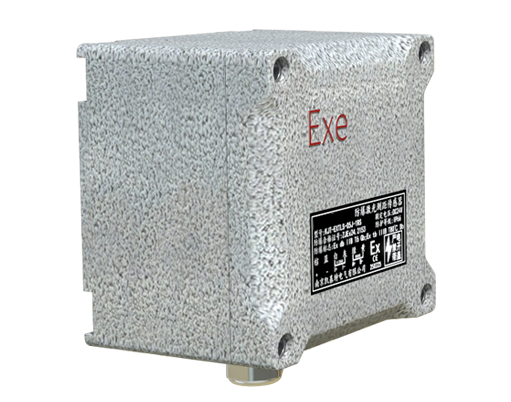
The robustness of Datalogic laser sensors is a key differentiator. Designed for harsh industrial environments, they often feature rugged housings with high ingress protection (IP) ratings, resisting dust, water jets, and mechanical impacts. Their electronics are built to withstand significant levels of electrical noise, vibration, and temperature fluctuations common in factories. This durability translates directly into reduced downtime and lower total cost of ownership. Furthermore, Datalogic integrates advanced functionalities into many models. Features like programmable logic, multiple operating modes (e.g., window, hysteresis), and sophisticated background suppression techniques allow for easy setup and reliable operation even in challenging applications with varying backgrounds or reflective targets.

Connectivity and integration form another critical strength. Modern Datalogic laser sensors support a wide array of industry-standard interfaces and protocols, including IO-Link, PROFINET, EtherNet/IP, and analog outputs. IO-Link, in particular, enables smart sensor capabilities, allowing for remote configuration, real-time parameter adjustment, and advanced diagnostics. This seamless integration into Industry 4.0 and IoT frameworks provides plant managers with valuable predictive maintenance data and process insights, moving beyond simple detection to actionable intelligence.
Selecting the right laser sensor requires careful consideration of the application's specific parameters. Key factors include the required sensing range, the desired resolution or repeatability, the size and reflectivity of the target, the environmental conditions, and the necessary output signal. Datalogic's extensive range includes compact diffuse sensors for close-range presence detection, precise background suppression sensors for ignoring distant objects, long-range sensors based on time-of-flight principles for measuring over several meters, and high-accuracy laser triangulation sensors for micron-level displacement measurement. Consulting technical datasheets and, when necessary, leveraging Datalogic's application engineering support ensures optimal sensor selection and performance.
Ultimately, the value proposition of Datalogic laser sensors lies in their ability to enhance quality, efficiency, and safety across automated processes. By delivering consistent, accurate data in real-time, they form the sensory foundation upon which reliable automation is built. From ensuring a pharmaceutical blister pack is perfectly sealed to guaranteeing the precise alignment of components in a semiconductor wafer handler, these sensors operate silently and reliably, driving productivity and minimizing waste. As industries continue to evolve towards smarter, more connected, and more flexible manufacturing, the role of precise, robust, and intelligent sensing solutions like those from Datalogic will only become more central to operational success.
