In the world of industrial automation and smart technology, proximity sensor devices operate as the unseen sentinels. These non-contact sensors detect the presence or absence of an object within their sensing field without any physical touch. Their ability to provide reliable, high-speed detection in harsh environments makes them indispensable across countless applications, from factory assembly lines to consumer electronics.
Fundamentally, a proximity sensor works by emitting an electromagnetic field or a beam of radiation, such as infrared light, and then looking for changes in the field or return signal. The object being detected is often referred to as the sensor's "target." The key advantage is the lack of mechanical contact, which eliminates wear and tear, ensures a long operational life, and allows for detection of delicate or unstable objects.
Several primary types of proximity sensors dominate the market, each with distinct operating principles and ideal use cases. Inductive proximity sensors are perhaps the most common in industrial settings. They generate an oscillating electromagnetic field and detect the eddy current losses caused when a metallic target enters the field. They are exceptionally robust, resistant to dirt, oil, and water, and are perfect for detecting metals like steel, aluminum, or copper at short ranges, typically up to 60 mm.
Capacitive proximity sensors, on the other hand, can detect both metallic and non-metallic materials, including liquids, plastics, wood, and glass. They function by measuring changes in capacitance between the sensor and the target. When an object enters the electrostatic field, it alters the capacitance, triggering the output switch. This makes them ideal for level detection in tanks, material handling, and detecting filled or empty containers.
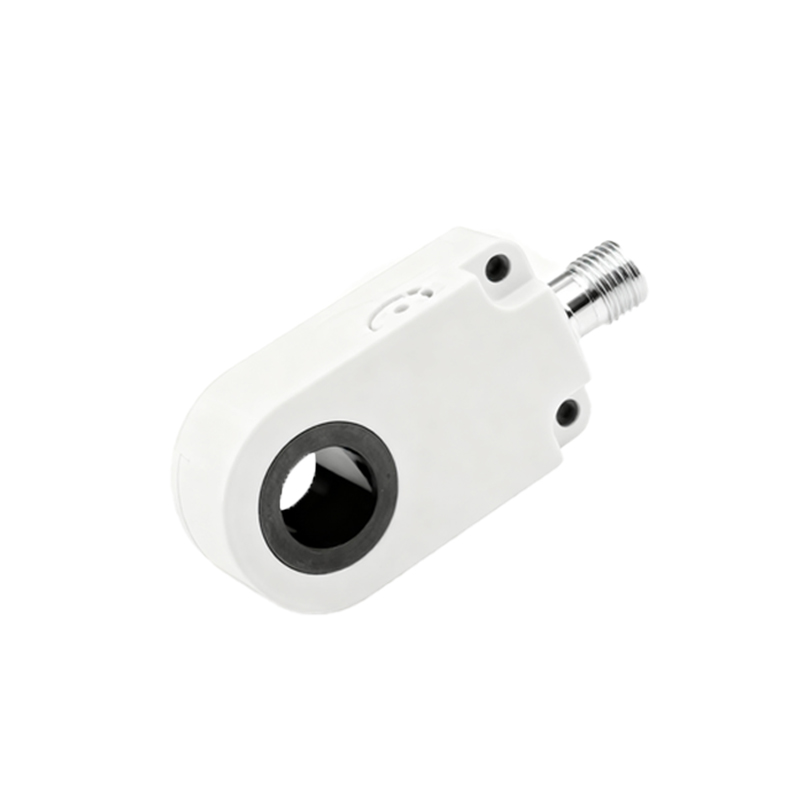
Ultrasonic sensors use sound waves beyond the human hearing range. They emit high-frequency sound pulses and calculate the time for the echo to return, determining the distance to an object. Effective for detecting objects of virtually any material, shape, or color, they excel in applications involving distance measurement, transparent object detection, and challenging environments with dust or fog.
Photoelectric sensors, while sometimes categorized separately, function as a form of proximity detection. They use a light emitter (usually LED) and a receiver. When the light beam is interrupted or reflected by a target, the sensor triggers. They offer the longest sensing ranges among non-contact sensors and are versatile for detecting small objects or objects at a distance.
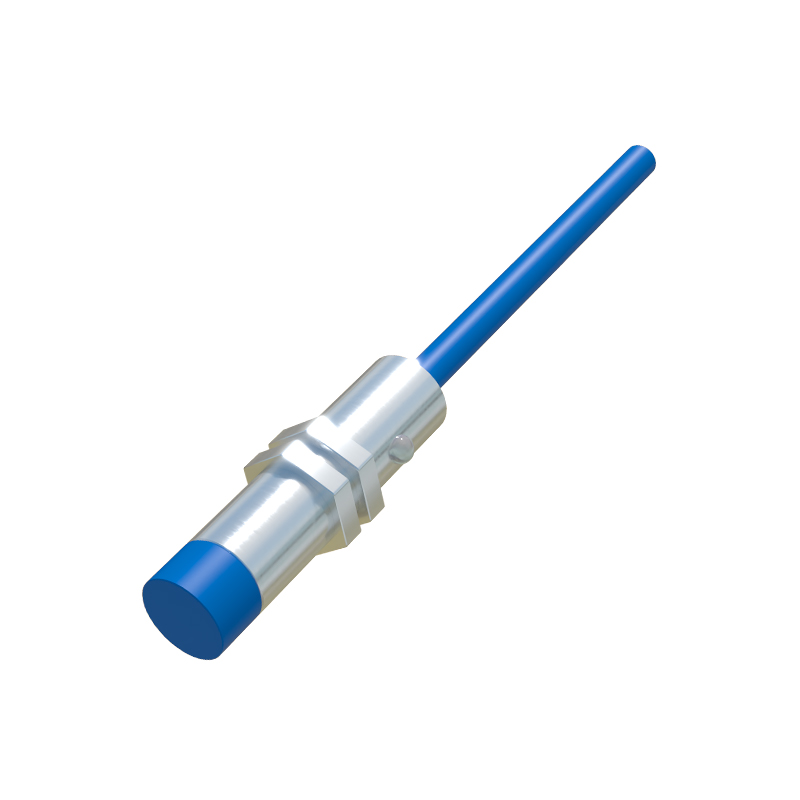
The applications for these devices are vast. In automotive manufacturing, inductive sensors count gears or verify piston position. In packaging lines, capacitive sensors ensure bottles are filled. Ultrasonic sensors guide autonomous mobile robots in warehouses. In your daily life, a capacitive sensor detects your finger tap on a smartphone screen, and an inductive sensor ensures a washing machine door is closed before spin cycle.
Selecting the right proximity sensor requires careful consideration of several factors. First, identify the target material—metal, plastic, liquid—as this dictates the sensor type. Next, consider the required sensing distance, factoring in a safety margin. The operating environment is critical; will the sensor face extreme temperatures, washdowns, or heavy vibration? The output type needed (e.g., NPN, PNP, analog) must match the control system. Finally, physical characteristics like size, shape, and mounting style (flush or non-flush) are determined by the installation space.
Installation and maintenance are straightforward but crucial. Ensure proper alignment and maintain the specified gap between the sensor and target. Avoid mounting metallic sensors too close to each other to prevent mutual interference. While these devices are designed for durability, periodic checks for physical damage, buildup of contaminants, and stable power supply will ensure consistent, trouble-free operation for years.
As technology advances, proximity sensors are becoming smarter, smaller, and more integrated. Innovations include IO-Link communication for advanced diagnostics and parameter setting, enhanced resistance to electromagnetic interference, and hybrid designs that combine sensing principles. They remain a fundamental component in the evolution toward fully connected, intelligent industrial systems and the Internet of Things (IoT).