In the realm of industrial automation and control systems, proximity switch sensors are indispensable components for non-contact detection of metallic objects. Among the various materials used in their construction, copper plays a pivotal, yet often understated, role. This guide delves into the specific applications, benefits, and considerations of copper within proximity switch sensors, moving beyond basic definitions to explore its material science and practical impact.
Copper is primarily utilized in two key areas of a proximity switch sensor: the sensing coil and internal circuitry. The sensing coil, the heart of an inductive proximity sensor, generates an electromagnetic field. When a metallic target enters this field, eddy currents are induced, causing a change in the coil's oscillation that the sensor detects. The choice of material for this coil is critical. Copper, with its exceptionally high electrical conductivity (second only to silver among pure metals), is the standard. High-purity, oxygen-free copper wire is often used to wind these coils. Its superior conductivity ensures the efficient generation of a strong and stable electromagnetic field with minimal energy loss. This translates directly to sensor performance: longer sensing ranges, improved sensitivity to smaller or harder-to-detect metals, and consistent operation with lower power consumption and heat generation.
Beyond the coil, copper is fundamental to the sensor's printed circuit board (PCB) traces and internal wiring. Its excellent conductivity ensures signal integrity from the sensing element to the sensor's processing unit and output stage. Reliable signal transmission is paramount for accuracy and response speed, especially in high-speed automation lines where milliseconds count. The use of thick copper layers in PCBs also enhances current-carrying capacity and thermal management, contributing to overall sensor durability.
When discussing "copper" in this context, it's essential to distinguish it from the sensor's housing or face material, which is typically made of nickel-plated brass, stainless steel, or PBT plastic for environmental protection. The copper components are housed internally. A common point of confusion arises with sensors designed specifically to detect non-ferrous metals like copper, brass, and aluminum. Standard inductive sensors have a reduced sensing range for these materials compared to steel. Therefore, special "non-ferrous metal" sensors are calibrated differently. In this case, the sensor itself isn't made of copper, but is optimized to detect it. The target material's conductivity and permeability affect the eddy currents generated; copper's high conductivity makes it detectable, but its low magnetic permeability requires specialized sensor tuning for optimal performance.
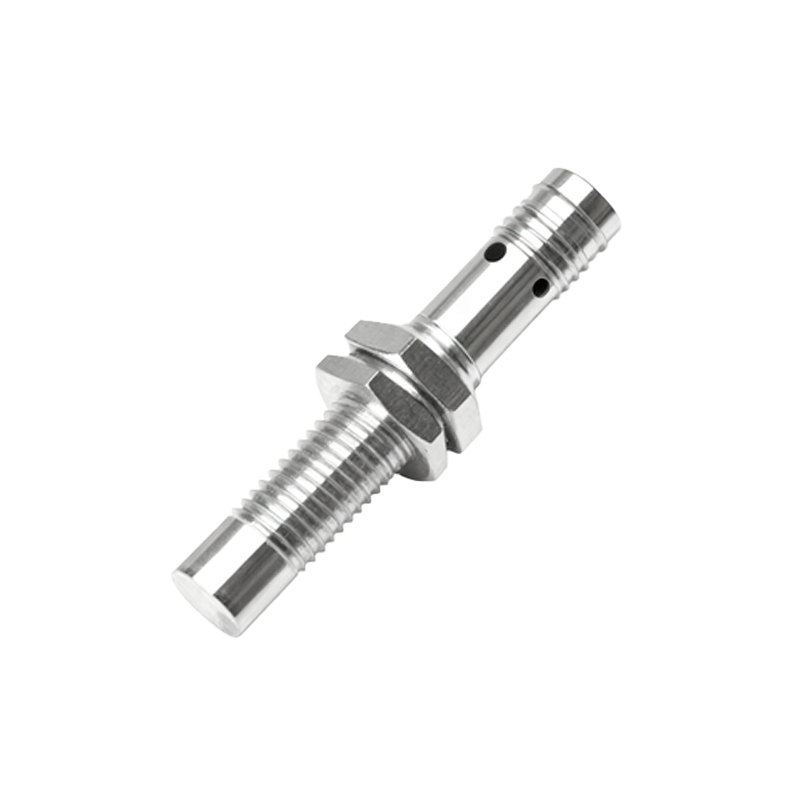
The advantages of using high-quality copper in proximity sensors are significant. The primary benefit is enhanced sensitivity and range due to efficient field generation. Furthermore, copper's malleability and ductility allow it to be drawn into very fine wires, enabling the production of compact, miniaturized sensors without sacrificing coil performance. From a reliability standpoint, copper offers good corrosion resistance in controlled internal environments, though it is typically coated or sealed to prevent oxidation over extended periods in harsh conditions.
However, material selection involves trade-offs. While copper is ideal for conductivity, it is more expensive than alternatives like aluminum. Sensor manufacturers optimize designs to use copper where its properties are irreplaceable—like in the sensing coil—while potentially using cost-effective materials for other internal components. The quality and grade of the copper used can also be a differentiating factor between economy and premium sensor lines.
In practical application, specifying a sensor for use near or to detect copper targets requires careful selection. For detecting copper objects, a sensor rated for non-ferrous metals with a stated sensing distance for copper is necessary. For general-purpose sensors used in environments containing copper dust or chips, ensuring a high IP (Ingress Protection) rating is crucial, as conductive debris could potentially cause interference or short circuits if it infiltrates the housing, affecting the internal copper components.
In conclusion, copper is not merely a passive material in proximity switch sensors; it is an active enabler of performance. Its unparalleled electrical conductivity forms the foundation for the electromagnetic sensing principle, directly influencing range, sensitivity, efficiency, and reliability. Understanding the role of copper—both as a critical internal material and as a target substance with unique detection characteristics—empowers engineers and technicians to make informed decisions in sensor selection and application, ensuring optimal performance in complex industrial automation systems.