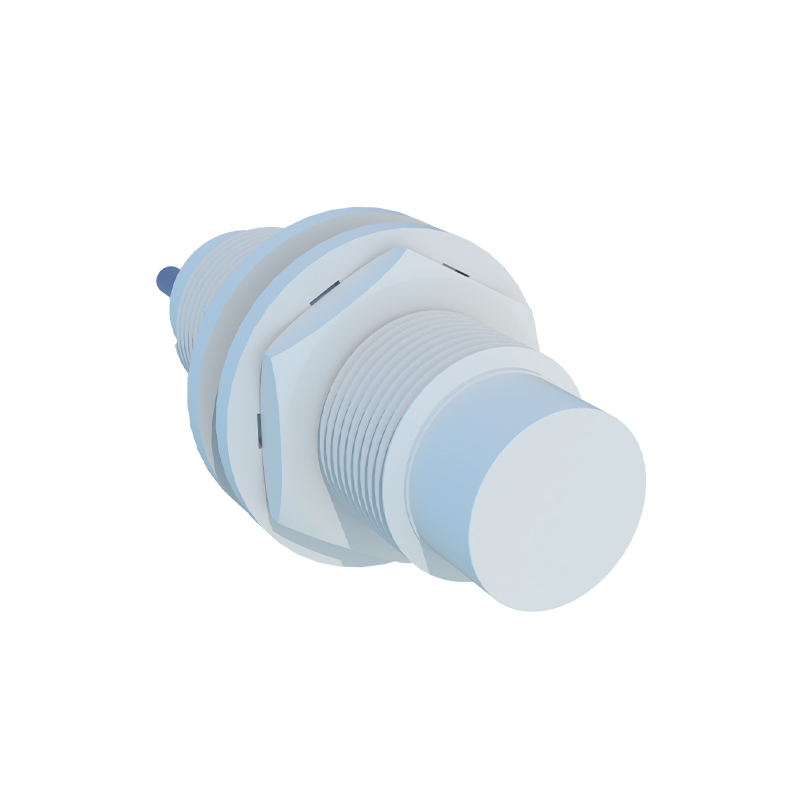
In the intricate dance of modern automation and smart technology, there exists a class of devices that work silently, unseen, yet are fundamental to countless operations. Proximity and non-contact sensors are these invisible enablers, detecting the presence, absence, or position of objects without any physical touch. Their ability to interact with the world at a distance has revolutionized design, safety, and efficiency across industries, from the manufacturing floor to the consumer electronics in our pockets.
At their core, these sensors operate on various physical principles, each suited to specific applications and environments. Inductive sensors, for instance, generate an electromagnetic field to detect metallic objects. They are the stalwarts of heavy industry, reliably counting metal parts on a conveyor belt or ensuring a robotic arm is in the correct position before welding. Their robustness in dirty, oily, or harsh environments makes them indispensable where other sensors might fail.
Capacitive sensors take a different approach, detecting any material that can distort an electrostatic field. This includes not only metals but also liquids, plastics, wood, and even granular materials. You might find them ensuring a bottle on a filling line is properly positioned or monitoring the level of a liquid in a non-transparent tank. Their versatility opens doors for automation in food processing, pharmaceutical packaging, and material handling.
For applications requiring longer ranges or the detection of non-metallic objects, ultrasonic sensors emit high-frequency sound waves and measure the time it takes for the echo to return. They excel in distance measurement and level sensing, such as monitoring the fill level in a silo or providing parking assistance in vehicles. Their performance is largely unaffected by color, transparency, or ambient light, though factors like temperature and air turbulence can influence readings.
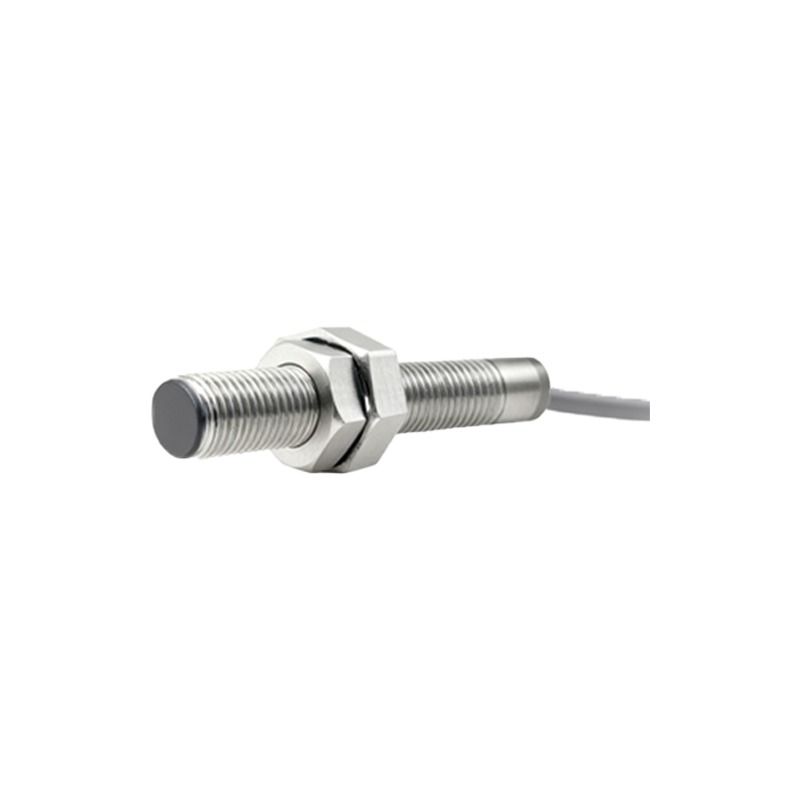
Perhaps the most rapidly advancing category is the optical sensor, which includes infrared (IR) and laser variants. An infrared proximity sensor, commonly found in smartphones to turn off the display during a call, emits an IR beam and measures the reflection. More sophisticated LiDAR (Light Detection and Ranging) systems use laser pulses to create precise 3D maps, enabling the autonomy of robots and self-driving cars. Optical sensors offer high precision and fast response but can be challenged by highly reflective surfaces, dirt, or direct ambient light interference.
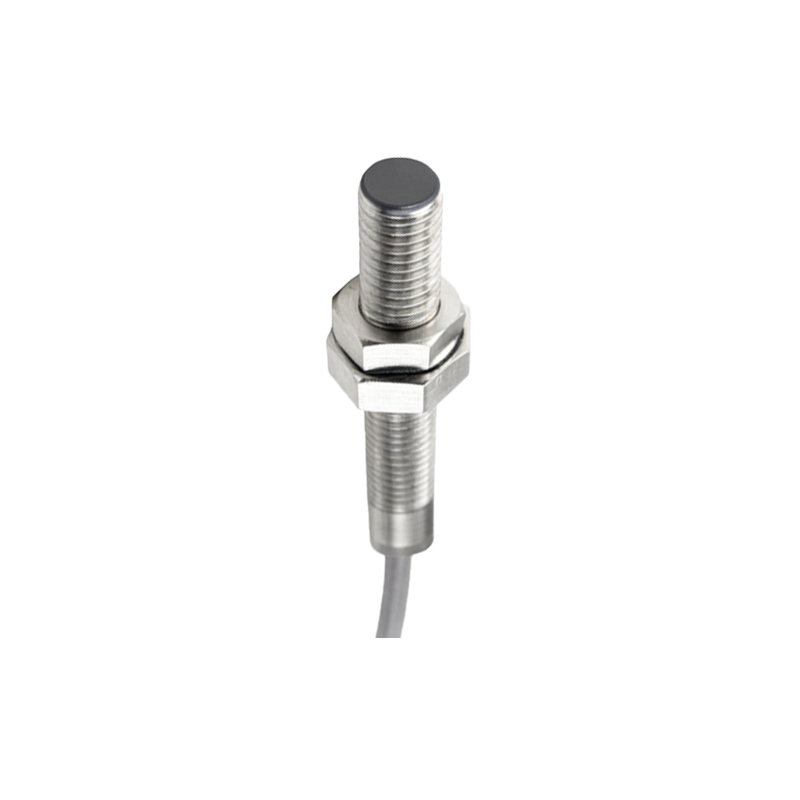
The advantages of employing non-contact sensing are profound. The absence of mechanical wear and tear translates to exceptional longevity and reduced maintenance costs. Without physical contact, there is no risk of damaging delicate products, such as freshly painted car bodies or silicon wafers. Furthermore, these sensors enable incredibly high-speed operations, as the detection event is virtually instantaneous, allowing production lines to run at unprecedented rates. From a safety perspective, they allow for the creation of touchless safety curtains and access controls, protecting personnel around dangerous machinery.
Looking forward, the integration of these sensors with the Internet of Things (IoT) and artificial intelligence is unlocking even greater potential. Smart sensors no longer just provide a simple on/off signal; they can communicate rich data about distance, temperature, and even predictive diagnostics about their own health. In smart buildings, arrays of proximity sensors optimize energy use by controlling lighting and climate based on occupancy. In healthcare, touchless interfaces and presence detectors help maintain sterile environments and assist in patient monitoring.
The evolution of proximity and non-contact sensing continues to push the boundaries of what is possible. As they become smaller, smarter, more energy-efficient, and less expensive, their adoption will permeate even deeper into everyday life. They are the silent sentinels and precise guides of our automated world, a foundational technology that, by working without touch, touches nearly every aspect of modern engineering and design.