In the realm of industrial automation, precision and reliability are non-negotiable. MTS proximity switch sensors stand as a cornerstone technology, enabling seamless and accurate detection in some of the world's most demanding environments. These non-contact sensors are engineered to detect the presence or absence of a target object without physical touch, utilizing electromagnetic fields or electromagnetic radiation. This fundamental principle eliminates mechanical wear, ensuring longevity and reducing maintenance costs significantly.
The core technology behind MTS proximity sensors often involves inductive, capacitive, or magnetic sensing principles. Inductive sensors, for instance, are predominantly used for detecting metallic objects. They generate an oscillating electromagnetic field from a coil. When a metallic target enters this field, it induces eddy currents, which dampen the oscillation and trigger the sensor's switch. This makes them ideal for harsh environments with contaminants like oil, dust, or coolant. Capacitive sensors, on the other hand, can detect both metallic and non-metallic materials, including liquids and granular substances, by measuring changes in capacitance. MTS has refined these technologies to offer exceptional repeatability and switching frequency, critical for high-speed production lines.
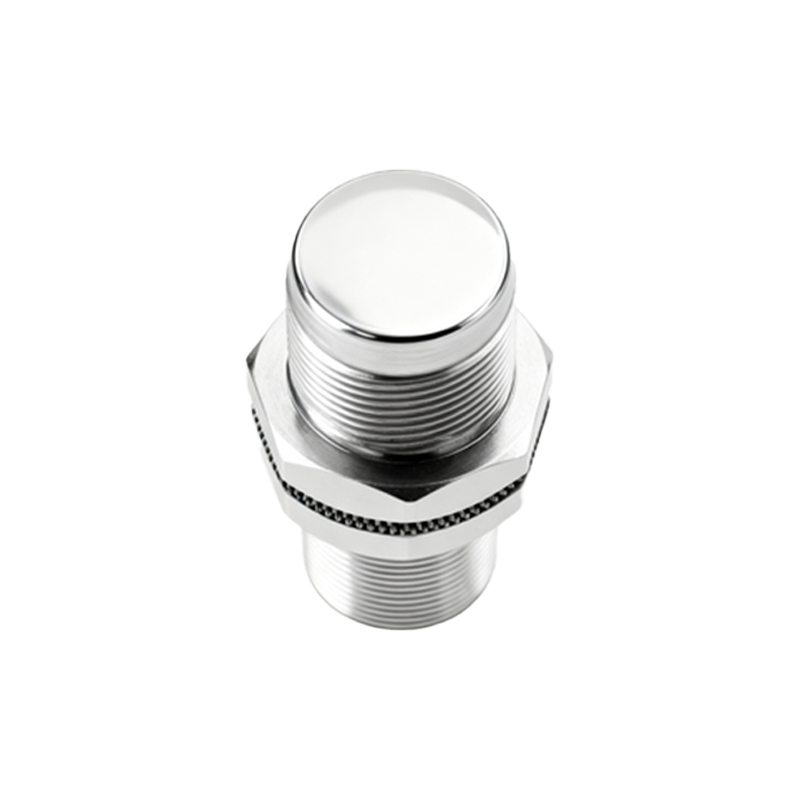
One of the defining advantages of MTS proximity switches is their robust construction. Housed in durable materials like nickel-plated brass or stainless steel, these sensors are built to withstand extreme temperatures, high pressure, and intense vibrations commonly found in manufacturing, material handling, and heavy machinery applications. Their sealed designs often meet high IP (Ingress Protection) ratings, making them resistant to water and dust ingress. This ruggedness translates directly into increased machine uptime and operational efficiency.
Integration into complex control systems is streamlined due to standardized output signals. Common configurations include NPN (sinking) and PNP (sourcing) transistor outputs, as well as analog and IO-Link versions for smart factory applications. The IO-Link variant, a key feature in modern Industry 4.0 setups, allows for bidirectional communication. This enables not just status reporting but also remote parameter configuration, condition monitoring, and predictive maintenance data transmission, moving beyond simple switching to become a data point in a networked ecosystem.
Selecting the right MTS proximity sensor requires careful consideration of several parameters. The sensing distance, or nominal range, must be chosen with a safety margin to account for installation tolerances and target material variations. The target material itself (steel, aluminum, copper) affects the effective sensing range for inductive types. Environmental factors such as ambient temperature, presence of strong magnetic fields, or aggressive chemicals dictate the required housing material and sealing class. Furthermore, the physical size and mounting style (threaded barrel, rectangular) must align with the spatial constraints of the application.
Typical applications are vast and varied. In automotive assembly, these sensors precisely position robotic arms and confirm part placement. On packaging lines, they count products and control fill levels. In metalworking, they monitor tool position and detect broken tools. The hydraulic and mobile machinery sector relies heavily on them for position feedback in cylinders. The versatility of MTS sensors makes them indispensable across sectors like food and beverage, pharmaceuticals, and renewable energy.
Installation and wiring, while straightforward, demand attention to detail. Ensuring proper shielding and separation from high-voltage power lines minimizes electrical interference. Adequate mounting ensures the sensor face is parallel to the target and free from obstructions. Regular functional checks, though minimal due to their non-contact nature, are recommended as part of a holistic maintenance schedule to verify performance against specifications.
In conclusion, MTS proximity switch sensors represent a mature yet continually evolving technology. They provide a critical link between the physical movement of machinery and the digital control system, forming the sensory foundation of automated processes. Their combination of ruggedness, precision, and increasingly smart features solidifies their role as a fundamental component for engineers seeking to build resilient, efficient, and intelligent industrial systems. As automation advances, the demand for such reliable and versatile sensing solutions will only continue to grow.