In the world of industrial automation and machine control, the ability to detect the presence or absence of an object without physical contact is fundamental. This is where proximity switch sensors, or simply proximity sensors, come into play. These devices are ubiquitous, found in everything from assembly lines and packaging machines to automotive systems and consumer electronics. Their primary function is to sense when a target object enters their detection field, triggering an electronic signal that can be used to control machinery, count items, or ensure safety.
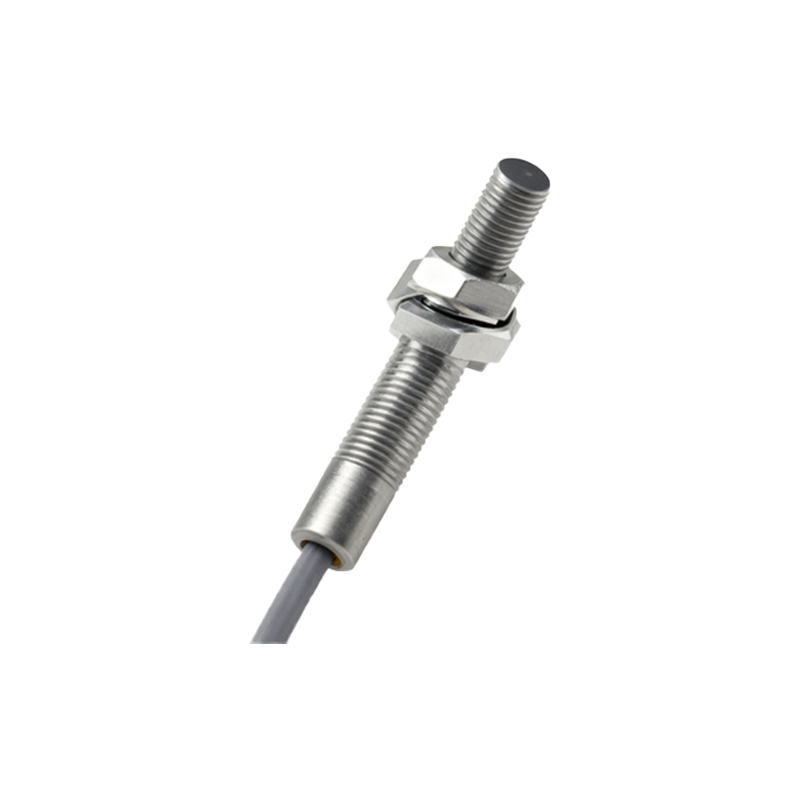
At their core, proximity sensors operate on various physical principles, each suited to different materials and environmental conditions. The most common types include inductive, capacitive, ultrasonic, and photoelectric sensors. Inductive proximity sensors are the workhorses for detecting metallic objects. They generate an electromagnetic field. When a metal target enters this field, it causes a change in the field's oscillation, which the sensor detects and converts into a switching signal. These sensors are highly reliable, resistant to dirt and moisture, and ideal for harsh industrial environments where metals like steel, aluminum, or copper need to be sensed.
Capacitive proximity sensors, on the other hand, can detect both metallic and non-metallic materials, including liquids, plastics, wood, and glass. They function by generating an electrostatic field. Any object that enters this field alters its capacitance, triggering the sensor. This makes them perfect for applications like liquid level detection in tanks, monitoring the presence of plastic bottles on a conveyor, or detecting wood chips in a processing plant. They are sensitive to environmental factors like humidity, which must be considered during installation.
For longer-range detection or applications requiring sensing of virtually any material regardless of color or transparency, photoelectric sensors are often the choice. These use a light emitter (usually LED) and a receiver. They come in several configurations: through-beam (where the emitter and receiver are separate units), retro-reflective (bouncing light off a reflector), and diffuse (reflective), where the sensor detects light reflected directly from the target object. They excel in counting, positioning, and detecting small objects at a distance.
Ultrasonic proximity sensors use sound waves beyond human hearing. They emit ultrasonic pulses and measure the time it takes for the echo to return. This time-of-flight principle allows them to detect objects of any material, measure distance, and are largely unaffected by color, transparency, or dust. Common uses include pallet detection, loop control, and level measurement in challenging conditions.
Selecting the right proximity switch sensor requires careful consideration of several key parameters. The sensing range, or the maximum distance at which the sensor can reliably detect a standard target, is crucial. The sensor must be rated for the specific environment, considering factors like temperature extremes, potential washdowns (IP rating), and exposure to chemicals or oils. The output type is another critical decision; sensors typically provide digital outputs like NPN (sinking) or PNP (sourcing) transistor signals, or analog outputs for distance-proportional signals. The physical housing size and shape must also fit the mechanical constraints of the application.
Installation and wiring are straightforward but demand attention. Proper mounting, ensuring the correct orientation and avoiding metal-to-metal mounting for inductive sensors, is essential for optimal performance. Electrical noise from motors or frequency drives can sometimes interfere with sensor signals, so using shielded cables and proper grounding practices is recommended. Regular maintenance, though minimal, involves keeping the sensing face clean and free from obstructions or buildup that could affect performance.
The applications are virtually limitless. In automotive manufacturing, inductive sensors detect piston position or count gear teeth. In food and beverage, capacitive sensors monitor fill levels. In material handling, photoelectric sensors control conveyor gates and count boxes. Safety systems often employ these sensors as part of interlock guards to prevent machine operation when a door is open. The evolution continues with sensors becoming smarter, offering IO-Link communication for diagnostics and parameter setting, and designs becoming more miniaturized for integration into compact machinery.
In conclusion, proximity switch sensors are indispensable components in modern automation. Understanding their different operating principles, strengths, and limitations is the first step toward implementing a reliable and efficient sensing solution. By matching the sensor type to the target material, environmental conditions, and required function, engineers and technicians can ensure robust system performance, increased productivity, and enhanced safety across countless industries.