In industrial settings where flammable gases, vapors, or combustible dusts are present, the risk of explosion is a constant concern. Standard electronic equipment, including sensors, can become ignition sources through sparks or high surface temperatures. This is where explosion-proof laser sensors become not just useful, but often legally mandatory. These specialized devices are engineered to contain any potential ignition within their robust housings, preventing it from reaching the dangerous surrounding atmosphere.
The core principle behind explosion-proofing, often certified under standards like ATEX (Europe) or IECEx (International), is containment. An explosion-proof laser sensor is housed in an enclosure strong enough to withstand an internal explosion of a specific gas or dust mixture. Furthermore, the enclosure's joints are designed as flame paths that cool any hot gases escaping from inside, preventing them from igniting the external hazardous area. This is fundamentally different from intrinsic safety, which limits electrical energy to prevent sparks altogether. Laser sensors, due to their power requirements and optical components, often rely on this explosion-proof containment method.

The laser technology itself provides significant advantages in hazardous zones. Unlike contact sensors, laser sensors offer precise, non-contact measurement of distance, position, or level. The coherent laser beam allows for highly accurate targeting over considerable distances, even in environments with vibration or through transparent windows. Common applications include monitoring the level of flammable liquids in tanks, controlling the position of equipment in paint spray booths, or ensuring alignment on conveyor systems in grain elevators or chemical processing plants. The ability to perform these tasks without physical contact reduces maintenance and eliminates a potential source of friction or sparking.
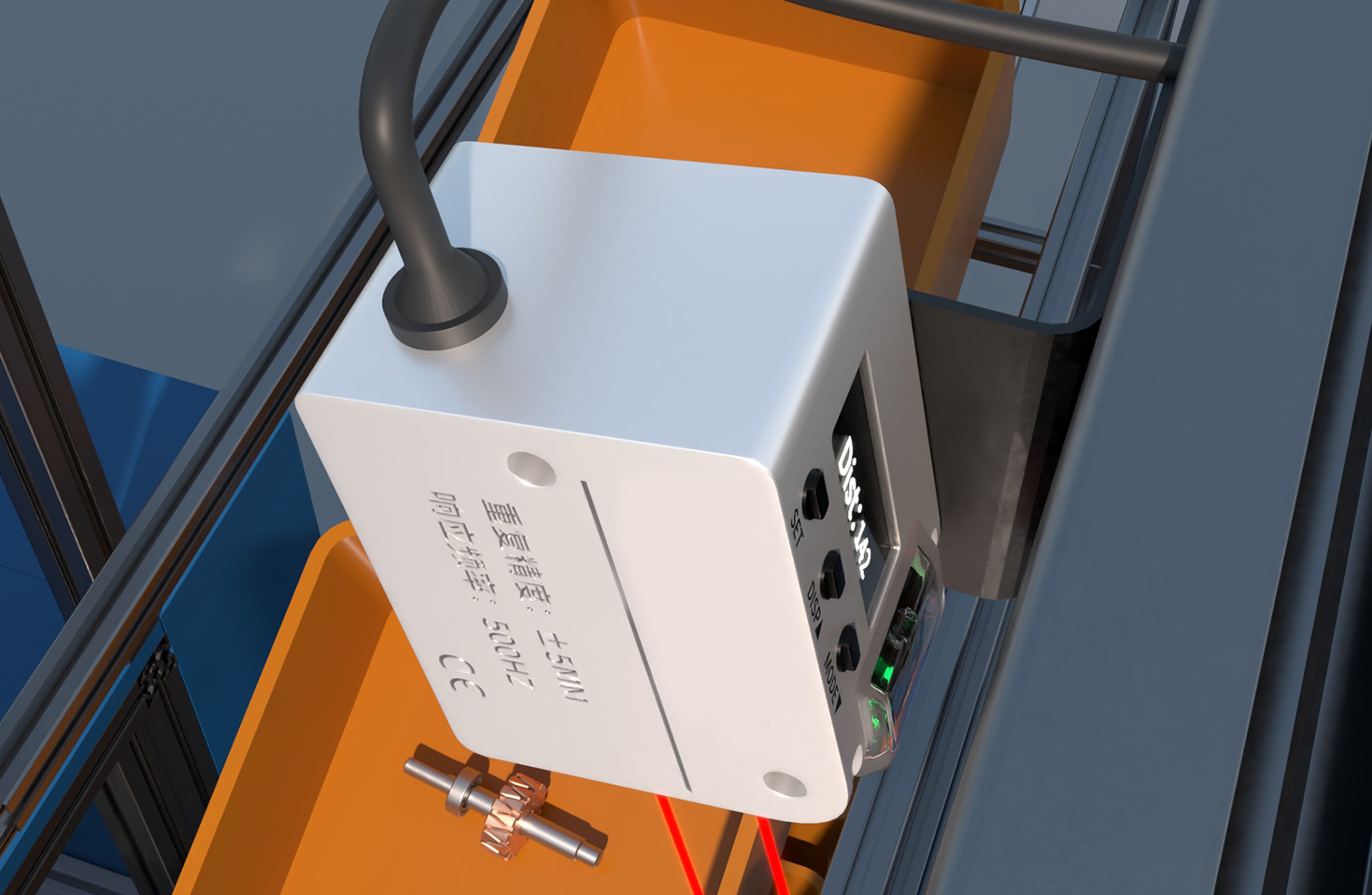
Selecting the right explosion-proof laser sensor requires careful attention to certification. The device must be rated for the specific class and division (or zone) of the hazardous location. For instance, a Class I, Division 1 area has flammable gases present under normal conditions, requiring a more robust certification than a Class I, Division 2 area where hazards are only likely under fault conditions. The sensor's temperature rating (T-rating) is also critical; its maximum surface temperature must be below the auto-ignition temperature of the specific gas or dust in the environment. Ignoring these ratings can render the safety protection无效.
Installation and maintenance are paramount. Even a certified sensor can become a hazard if improperly installed. This includes using correctly rated conduit seals to prevent gases from traveling along wiring into safe areas, ensuring all enclosure bolts are tightened to the specified torque to maintain the integrity of the flame paths, and regularly inspecting for damage to windows or housing. The optical window, through which the laser emits and receives, must be kept clean and free of scratches to maintain accuracy and ensure no compromise to the enclosure's strength.
The evolution of this technology continues to integrate advanced diagnostics and connectivity while maintaining safety integrity. Modern explosion-proof laser sensors may feature digital interfaces and self-monitoring capabilities, all housed within the certified enclosure. They represent a critical fusion of precision measurement technology and rigorous safety engineering. For facility managers and engineers in industries like oil and gas, pharmaceuticals, mining, and chemical manufacturing, investing in properly certified explosion-proof laser sensors is a direct investment in operational continuity, asset protection, and, most importantly, worker safety. It transforms a potential source of danger into a reliable tool for safe and efficient process control.
