In the interconnected world of smart technology, proximity sensing devices have become fundamental components, operating silently yet effectively in countless applications. These devices detect the presence or absence of an object within a specific range without any physical contact. The core principle involves emitting a field or beam of electromagnetic radiation, often infrared light, and looking for changes in the field or return signal. The most common types include inductive sensors for metallic objects, capacitive sensors for both metallic and non-metallic materials, and photoelectric sensors using light beams.
The technology behind these sensors is both elegant and robust. Inductive proximity sensors generate an oscillating electromagnetic field. When a metallic object enters this field, it induces eddy currents, causing a change in the oscillation amplitude, which the sensor detects. Capacitive sensors function similarly but can detect any material that affects an electrostatic field, including liquids, powders, and plastics, by measuring changes in capacitance. Photoelectric sensors, another major category, use a light emitter and receiver; an object is detected when it interrupts or reflects the light beam. Ultrasonic sensors, which use sound waves, are also a form of proximity detection, excelling in harsh environments where optics might fail.
The applications are vast and deeply integrated into modern life. In industrial automation, they are indispensable for tasks like object counting, position verification on assembly lines, and machine safety, preventing operation when a worker is too close to hazardous areas. The consumer electronics sector relies heavily on miniature infrared proximity sensors. In smartphones, they detect when a user holds the phone to their ear during a call, automatically turning off the display to save power and prevent accidental screen touches. They are also crucial in touchless faucets, automatic hand dryers, and door systems, promoting hygiene and convenience.
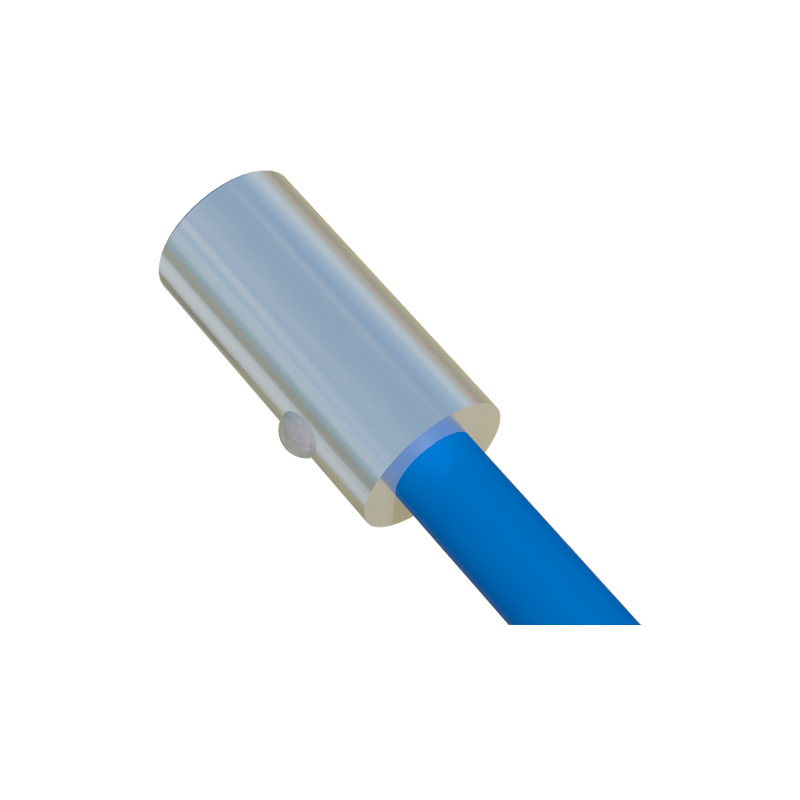
Automotive safety has been revolutionized by these devices. Advanced Driver-Assistance Systems (ADAS) use radar, LiDAR, and ultrasonic proximity sensors for features like blind-spot monitoring, parking assistance, collision avoidance, and adaptive cruise control. These systems create a digital awareness of the vehicle's surroundings, forming the foundational layer for autonomous driving technologies. In robotics, proximity sensors provide essential environmental awareness, allowing robots to navigate spaces, avoid obstacles, and interact with objects safely and precisely.
Looking forward, the evolution of proximity sensing is geared towards greater integration, intelligence, and miniaturization. The development of sensor fusion—combining data from multiple types of sensors like cameras, radar, and LiDAR—is creating more robust and accurate perception systems for autonomous vehicles and smart infrastructure. Emerging technologies like time-of-flight (ToF) sensors, which measure the time it takes for light to bounce back from an object, are enabling high-resolution 3D depth mapping for facial recognition, augmented reality, and gesture control.
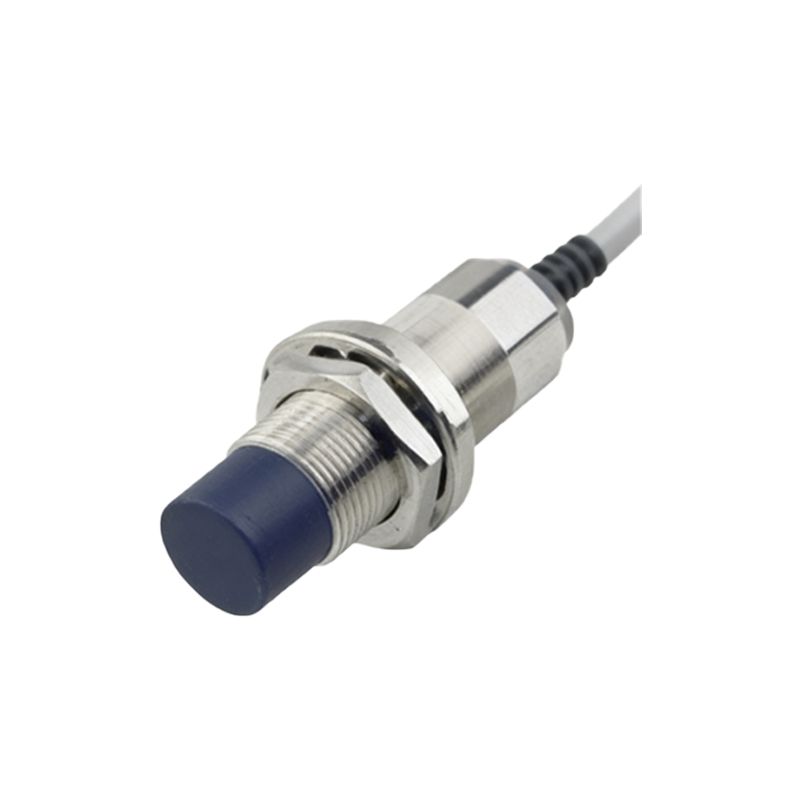
Furthermore, the integration of Artificial Intelligence and Machine Learning at the sensor's edge is a significant trend. Instead of just sending raw "presence/absence" data, smart sensors can now perform initial processing to identify patterns, predict failures, or classify objects, reducing latency and bandwidth usage in larger IoT networks. Energy efficiency also remains a key driver, with new low-power designs enabling battery-operated sensors to last for years, expanding their use in wireless and remote monitoring applications.
Despite their advantages, challenges persist. Sensor performance can be affected by environmental factors like dust, fog, extreme temperatures, or electromagnetic interference. Material properties, color, and surface texture can impact the reliability of optical and capacitive sensors. Therefore, selecting the right sensor type for a specific application and environmental condition is critical for optimal performance. Calibration and shielding are often necessary to ensure consistent and accurate readings.
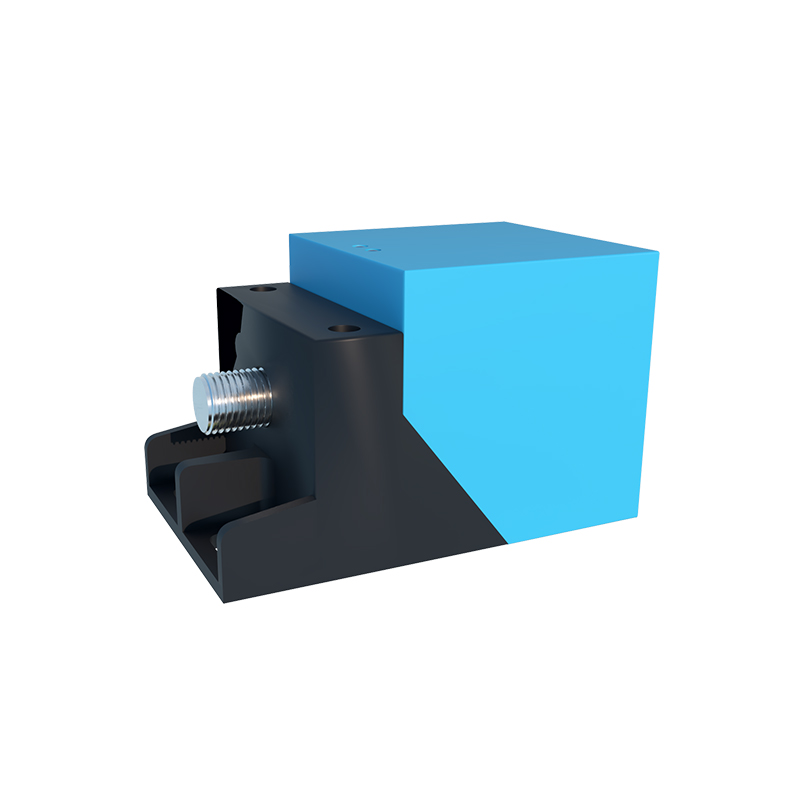
In conclusion, proximity sensing devices are a cornerstone of modern automation and interaction. From streamlining complex industrial processes to enabling the intuitive interfaces of personal devices and enhancing vehicle safety, their role is pervasive and growing. As technology advances towards more interconnected and intelligent systems, the humble proximity sensor will continue to be a critical enabler, evolving to become smarter, more adaptive, and seamlessly integrated into the fabric of our digital world.