In today's rapidly evolving technological landscape, smart proximity sensors have transitioned from niche components to fundamental building blocks across countless industries. These sophisticated devices, capable of detecting the presence or absence of objects within a defined range without physical contact, are driving efficiency, safety, and innovation. By examining real-world case studies, we can move beyond theoretical specifications and understand their tangible impact.
One of the most prominent applications is within the automotive sector, particularly in advanced driver-assistance systems (ADAS). Modern vehicles are equipped with an array of ultrasonic and radar-based proximity sensors. A leading European automaker integrated a 360-degree ultrasonic sensor system to facilitate automated parking. The sensors provide real-time, centimeter-accurate data on the vehicle's surroundings, enabling the system to calculate precise steering angles and throttle control. This implementation not only enhanced customer convenience but significantly reduced low-speed parking collisions, leading to lower insurance costs and improved brand perception for safety. The sensors operate reliably in various weather conditions, a critical factor for real-world usability.
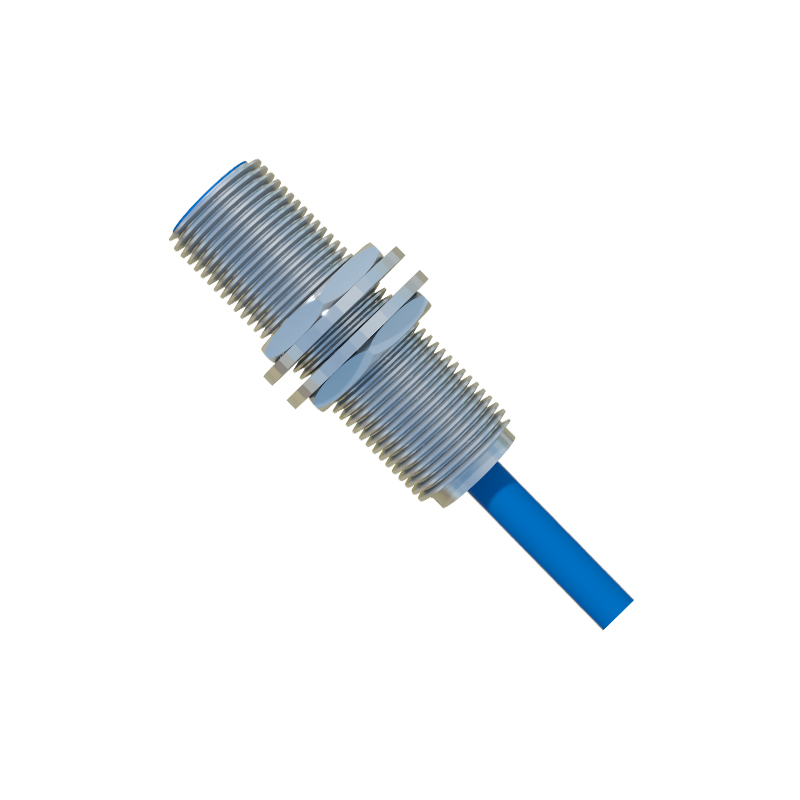
In the realm of industrial automation and smart factories, inductive and capacitive proximity sensors are workhorses on production lines. A case study from a major beverage bottling plant highlights their role in ensuring seamless operation. Here, inductive sensors are used to detect metal caps on moving conveyor belts. Their primary function is to verify cap presence and proper seating before bottles proceed to labeling and packaging. By implementing a network of these robust sensors, the plant achieved a 99.8% detection accuracy, virtually eliminating defective products from reaching distribution. This directly translated to reduced waste, minimized downtime for manual checks, and maintained consistent product quality. The sensors' rugged design withstands constant exposure to moisture and vibrations, ensuring long-term reliability.
The consumer electronics industry provides a compelling case for miniaturized infrared (IR) proximity sensors. A flagship smartphone model utilizes an IR sensor to manage screen behavior. When a user lifts the phone to their ear during a call, the sensor detects the close proximity of the head and automatically turns off the display. This prevents accidental screen touches from ending calls or activating apps, thereby improving user experience. Concurrently, it reduces power consumption by disabling the backlight unnecessarily, contributing to better battery life. This subtle, intelligent interaction is a direct result of reliable proximity sensing integrated into a compact form factor.
Retail and building management are also leveraging this technology for energy conservation and enhanced customer experience. A large retail chain implemented a network of passive infrared (PIR) and microwave-based occupancy sensors in their stores. These sensors monitor human presence in aisles, storage rooms, and restrooms. In low-traffic areas, lighting and HVAC systems are automatically dimmed or switched to an energy-saving mode when no motion is detected. Data from a pilot store showed a 32% reduction in lighting energy costs within the first year. Furthermore, in fitting rooms, discreet sensors alert staff when a room is occupied or has been vacant for a set period, enabling faster turnover and improved service without intruding on customer privacy.
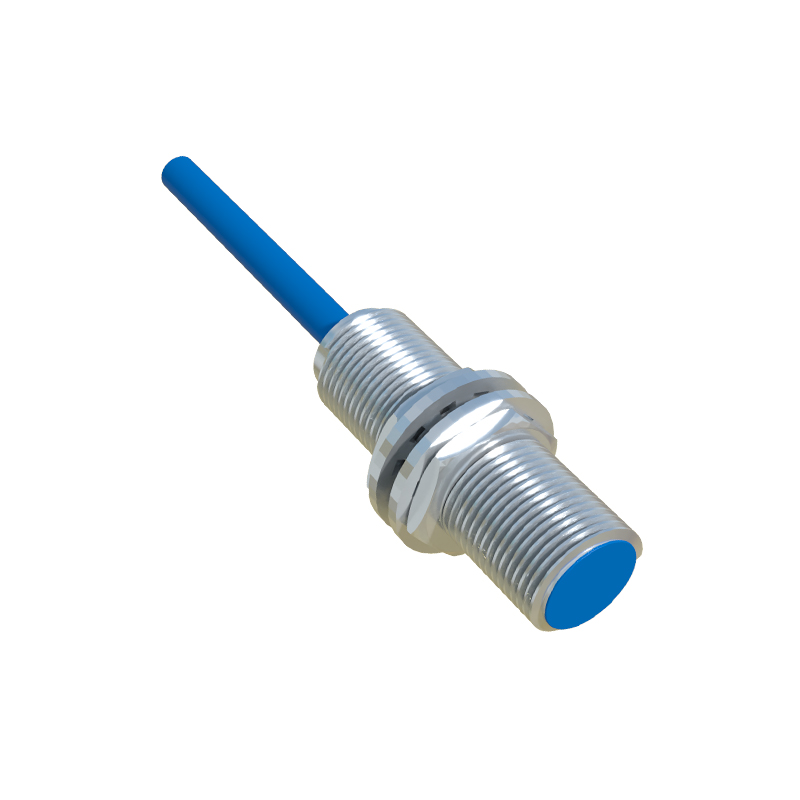
Logistics and warehouse management present another fertile ground for application. A distribution center for an e-commerce giant deployed ultrasonic proximity sensors on its fleet of autonomous guided vehicles (AGVs). These sensors act as a critical safety and navigation aid. They create a dynamic buffer zone around each AGV, allowing it to slow down or stop when a person, pallet, or another vehicle enters its path. This system has drastically reduced workplace incidents involving moving machinery. Additionally, the sensors aid in precise docking at loading bays, ensuring alignment accuracy within millimeters, which optimizes loading times and prevents damage to goods and equipment.
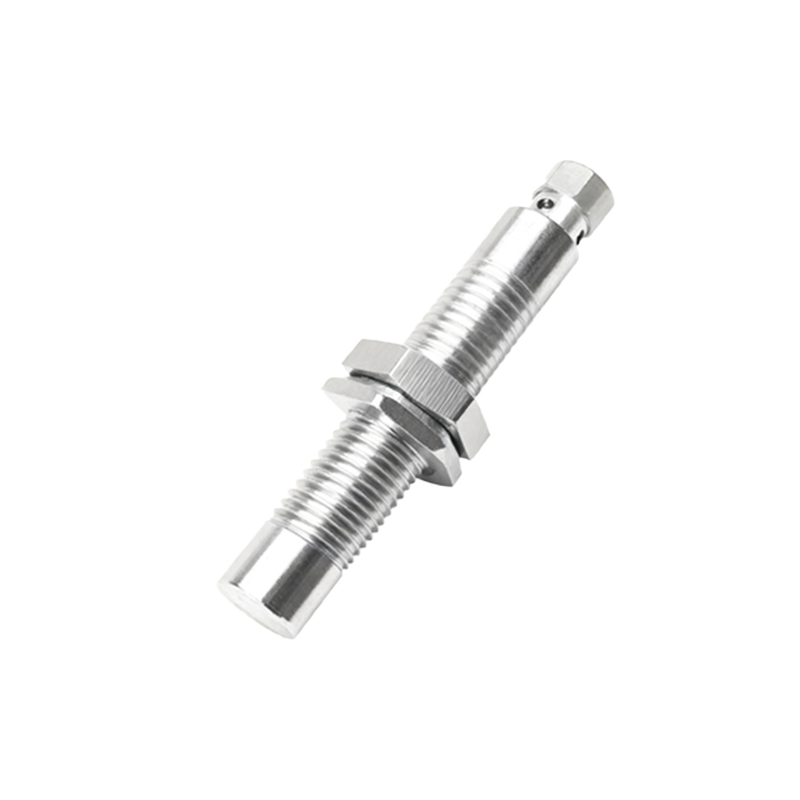
The healthcare sector benefits from touchless interactions, a necessity heightened in recent years. Capacitive proximity sensors are integrated into medical equipment like infusion pumps and diagnostic screens. A hospital case study showed that using touchless gesture control (enabled by sensors) to adjust settings on devices reduced surface contact. This lowered the risk of cross-contamination, as medical staff could scroll through menus or confirm actions with a simple hand wave. This not only supports stringent hygiene protocols but also allows for quicker operation in urgent situations where every second counts.
These diverse case studies underscore several universal benefits of smart proximity sensors: enhanced operational safety, significant efficiency gains, energy conservation, and the enablement of new, intuitive user interfaces. Their ability to provide reliable, real-time data without contact makes them indispensable in creating responsive and intelligent systems. As sensor fusion—combining data from proximity, vision, and other sensors—becomes more prevalent, their role in the Internet of Things (IoT) and Industry 4.0 will only expand, leading to even more innovative and impactful applications across every facet of modern life.