In the realm of industrial safety and environmental monitoring, the detection of combustible and toxic gases, particularly methane, is of paramount importance. Traditional gas sensing technologies, such as catalytic bead or electrochemical sensors, have served well for decades. However, the advent of laser-based gas sensors, specifically tunable diode laser absorption spectroscopy (TDLAS) sensors for methane, represents a significant technological leap. These devices offer unparalleled accuracy, selectivity, and reliability, making them indispensable in high-stakes environments.
The core principle behind a laser methane sensor is infrared absorption spectroscopy. Methane molecules absorb infrared light at specific, unique wavelengths. A laser diode within the sensor is precisely tuned to emit a narrow-band light beam at one of these characteristic absorption lines, typically around 1653 nanometers (nm) for methane. This laser light is directed through the target gas sample. As the light passes through, methane molecules absorb a portion of the light energy at that specific wavelength. A photodetector on the other side measures the intensity of the transmitted light. The degree of light attenuation is directly proportional to the concentration of methane gas present along the optical path, a relationship defined by the Beer-Lambert law.
This fundamental operating principle confers several critical advantages. First is exceptional selectivity. Because the laser is tuned to a spectral fingerprint unique to methane, the sensor is virtually immune to cross-interference from other gases commonly found in industrial settings, such as water vapor, carbon dioxide, or hydrogen sulfide. This eliminates false alarms and ensures readings reflect true methane levels. Second is high sensitivity and a wide dynamic range. Modern TDLAS sensors can detect methane concentrations from trace levels of parts-per-million (ppm) up to 100% volume, making them suitable for both leak detection and process monitoring. Third is speed and stability. The measurement is near-instantaneous, providing real-time data. With no consumable parts or elements that chemically react with the gas, laser sensors exhibit remarkable long-term stability and require minimal calibration, reducing lifecycle costs.
The applications for laser methane detectors are vast and growing. In the oil and gas industry, they are deployed for fugitive emission monitoring at wellheads, compressor stations, and along pipelines. Their ability to perform remote, non-contact sensing allows for surveys of large areas or hard-to-reach components using open-path configurations. Within coal mines, they provide continuous monitoring of methane levels to prevent explosive atmospheres, offering a faster and more robust solution than older pellistor-based systems. In biogas production facilities and landfills, they are crucial for process control and safety. Furthermore, utility companies use portable laser detectors for pinpointing leaks in urban gas distribution networks with high precision, significantly improving repair efficiency and public safety.
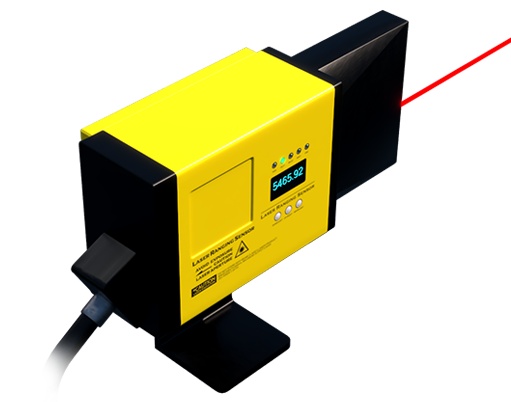
Compared to traditional catalytic sensors, laser-based sensors are inherently safer. Catalytic sensors require the presence of oxygen and can be poisoned or inhibited by certain compounds, leading to degraded performance. Most critically, they must expose a flammable gas mixture to a hot catalytic bead, presenting a potential ignition risk in high-concentration environments. Laser sensors pose no such ignition hazard, as the measurement is purely optical. While the initial investment for a laser methane sensor is typically higher, the total cost of ownership is often lower due to reduced maintenance, calibration, and replacement needs.
Looking forward, advancements in laser technology, photonic integration, and data processing are driving these sensors toward even smaller form factors, lower power consumption, and enhanced functionality. Integration with the Internet of Things (IoT) and wireless networks enables the creation of pervasive, intelligent monitoring grids for smart cities and industrial plants. In conclusion, laser-based methane sensors, grounded in the robust science of absorption spectroscopy, have established themselves as the gold standard for reliable, safe, and precise gas detection. Their adoption is set to expand further as industries worldwide prioritize safety, regulatory compliance, and operational efficiency in an increasingly data-driven landscape.