In the world of industrial automation, consumer electronics, and safety systems, proximity sensors are the silent sentinels. These devices detect the presence or absence of an object within a specific range without any physical contact. The principle is simple yet powerful: they emit a field or beam of electromagnetic radiation, often infrared light, radio waves, or an electromagnetic field, and look for changes in the field or return signal. This non-contact operation is their defining feature, eliminating mechanical wear and tear and enabling high-speed, reliable detection in harsh environments where dirt, oil, or moisture would compromise mechanical switches.
The technology behind proximity sensors is diverse, leading to several main types, each with its own strengths and ideal use cases. Inductive proximity sensors are the workhorses of metal detection. They generate an oscillating electromagnetic field. When a metallic object enters this field, it induces eddy currents within the object, which dampens the sensor's own oscillation and triggers the output switch. These sensors are incredibly robust, resistant to environmental factors, and perfect for counting metal parts, determining position in machinery, or as end-of-travel limit switches in automated systems. However, they only detect metals, with ferrous metals like iron and steel typically offering a longer detection range than non-ferrous metals like aluminum or copper.
For applications requiring detection of non-metallic objects—wood, plastic, glass, liquids, or even skin—capacitive proximity sensors are the solution. They function similarly to inductive sensors but generate an electrostatic field. Any object that enters this field alters its capacitance, triggering detection. This makes them versatile for level sensing in tanks (liquid or granular materials), detecting filled bottles on a conveyor, or even as touch-sensitive interfaces. Their sensitivity can often be adjusted, but they can be more susceptible to environmental factors like humidity.
Another major category is the photoelectric sensor, which uses light. An emitter sends out a beam of light (visible red, infrared, or laser), and a receiver detects it. The presence of an object is sensed either by the interruption of the beam (through-beam), by the reflection of the beam off the object back to a receiver housed in the same unit (retro-reflective), or by the diffusion of light off the object back to the receiver (diffuse reflective). Photoelectric sensors offer very long sensing ranges and can detect virtually any material, but their performance can be affected by color, transparency, and ambient light conditions.
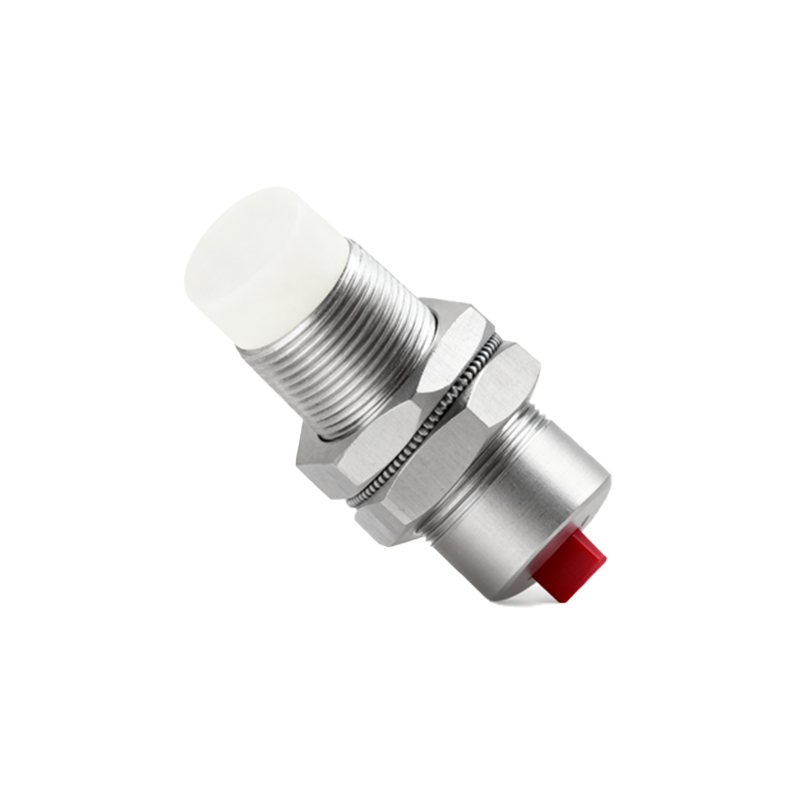
Ultrasonic sensors operate on a principle akin to sonar. They emit high-frequency sound waves and measure the time it takes for the echo to return. The distance to the object is calculated based on the speed of sound. These sensors excel at precise distance measurement and level detection, unaffected by the object's color, transparency, or material (though soft materials may absorb sound). They are commonly used in parking assist systems, tank level monitoring, and collision avoidance.
The applications are nearly limitless. In smartphones, a miniature infrared proximity sensor turns off the display during a call to save power and prevent accidental screen touches. In automotive manufacturing, inductive sensors ensure robotic arms precisely position components. In food and beverage plants, capacitive sensors monitor fill levels without contacting the product. In warehouse automation, photoelectric sensors control conveyor flow and manage inventory.
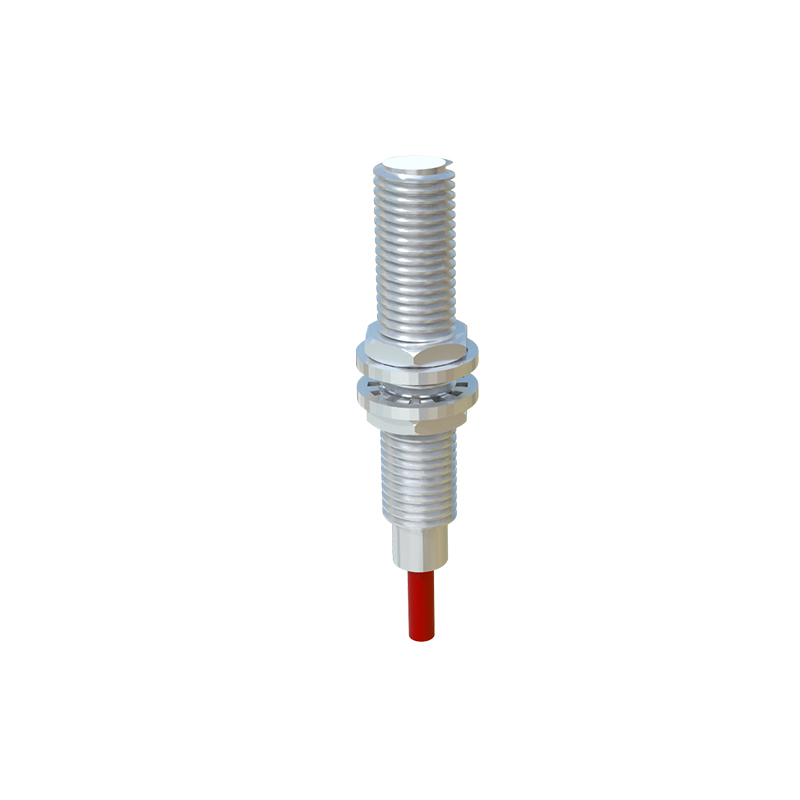
Selecting the right proximity sensor requires careful consideration of several factors. First, identify the target material: metal, plastic, liquid, etc. This immediately narrows the choice to inductive, capacitive, or other types. Next, consider the required sensing distance or range. Nominal sensing ranges are specified in datasheets, but note that for inductive sensors, the effective range can vary with the metal type. The operating environment is critical—will the sensor be exposed to extreme temperatures, washdowns, chemicals, or heavy vibration? Look for sensors with appropriate Ingress Protection (IP) ratings and housing materials like stainless steel or rugged plastics. Finally, consider the electrical output needed (e.g., NPN/PNP transistor, analog voltage/current) to ensure compatibility with your control system, such as a PLC.
Installation and environmental factors are often overlooked but vital for reliable operation. Metal mounting can influence the sensing field of inductive and capacitive sensors, so non-metallic brackets or maintaining a minimum clearance from surrounding metal is advised. For photoelectric sensors, keeping lenses clean and avoiding competing light sources is essential. Understanding these nuances ensures the sensor performs as intended, providing the reliability that modern automated systems depend on. From enabling the convenience of everyday gadgets to ensuring the precision and safety of complex industrial processes, proximity sensors are a foundational technology in our increasingly automated world.