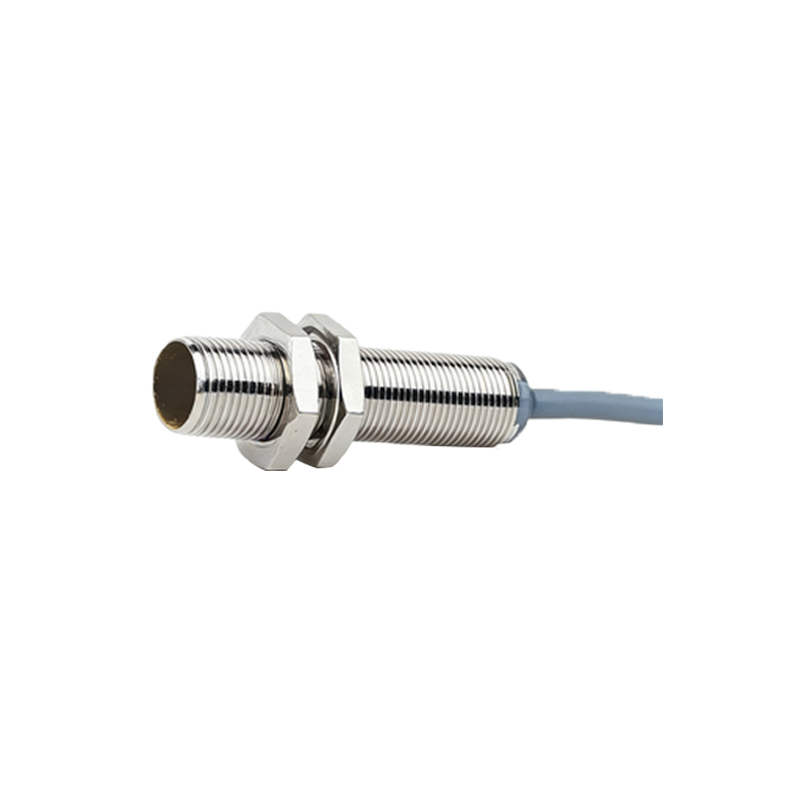
Inductive proximity sensors are non-contact electronic devices designed to detect the presence of metallic objects without physical contact. Widely used in industrial automation, manufacturing, and machinery safety systems, these sensors operate based on the principle of electromagnetic induction. When a metallic target enters the sensor's electromagnetic field, it induces eddy currents in the target, causing a change in the sensor's oscillation amplitude. This change is detected and converted into an output signal, typically a switching signal, to indicate object presence.
Key specifications define the performance and suitability of inductive proximity sensors for specific applications. Sensing distance, often called nominal range, is a fundamental parameter. It indicates the maximum distance at which a standard target can be reliably detected. This distance is specified for a defined target material, usually mild steel, and a standard target size. For example, a sensor with an 8mm sensing distance can detect an 8mm thick square of mild steel at up to 8mm away. It is crucial to note that the effective sensing range can vary with different metals; for instance, it reduces for non-ferrous metals like aluminum or copper.
Another critical specification is the housing material and design. Sensors come in cylindrical (threaded) or rectangular housings made from materials like nickel-plated brass, stainless steel, or plastic (PBT). The housing material determines environmental robustness. Stainless steel variants offer high resistance to chemicals, oils, and washdowns, making them ideal for food processing or harsh environments. The protection class, denoted by IP (Ingress Protection) ratings like IP67 or IP69K, specifies the level of protection against dust and water ingress.
Electrical characteristics are equally vital. The operating voltage range defines the supply voltage the sensor requires, commonly 10-30V DC or 20-250V AC. Output configuration is a major differentiator. Sensors can have NPN (sinking) or PNP (sourcing) transistor outputs for DC models, or relay contacts for AC models. The output type determines how the sensor interfaces with controllers like PLCs. The switching frequency, measured in Hertz (Hz), indicates how many detection cycles per second the sensor can perform. A high switching frequency (e.g., 2 kHz) is necessary for high-speed applications like counting small parts on a fast conveyor.
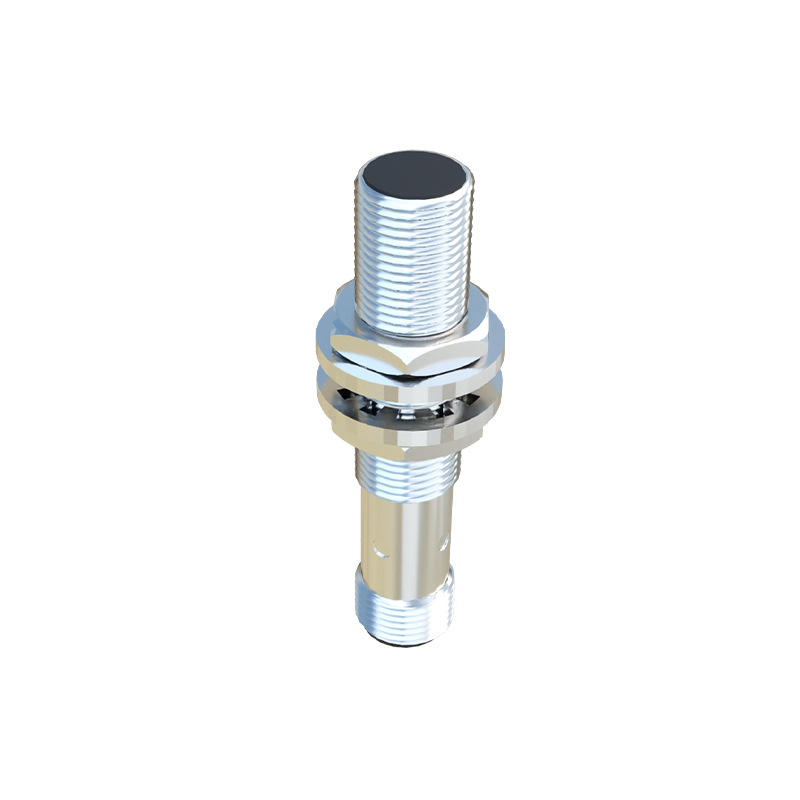
Additional specifications ensure reliable operation. Temperature range specifies the ambient operating and storage limits, typically from -25°C to +70°C for standard models. Hysteresis is the difference between the switch-on and switch-off points, which prevents output chattering when a target is at the edge of the sensing range. Short-circuit and overload protection are essential safety features that protect the sensor from wiring errors or faults.
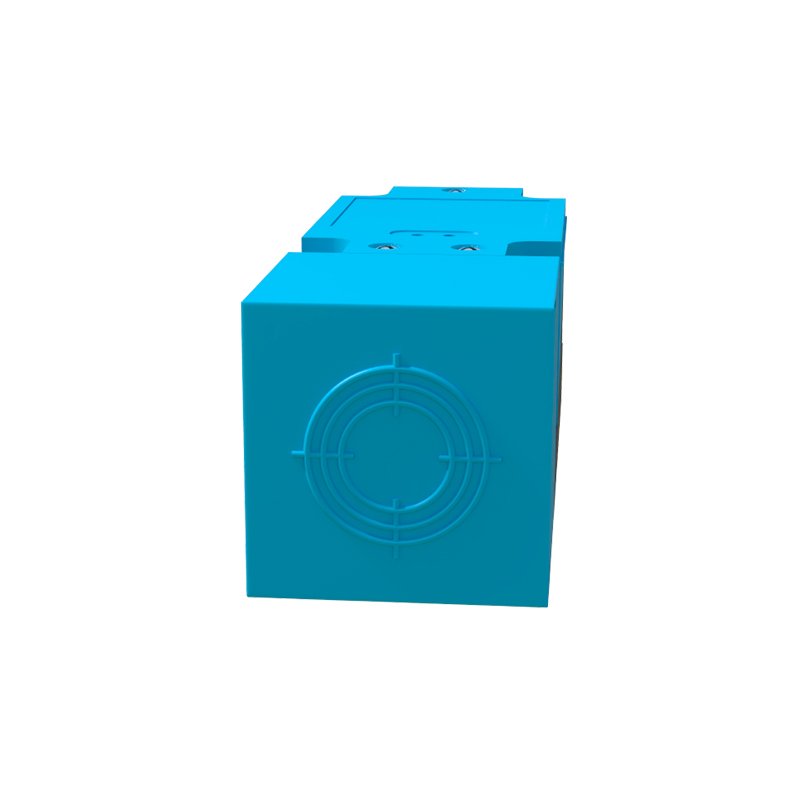
For installation, specifications like flush or non-flush mounting capability are important. Flush-mountable sensors can be embedded in metal without affecting their sensing range, whereas non-flush sensors require a clear area around the sensing face. The connection method, such as pre-wired cables or quick-disconnect connectors, also affects installation ease and maintenance.
When selecting an inductive proximity sensor, engineers must cross-reference all specifications with the application requirements. Factors like target material, size, required sensing distance, environmental conditions, electrical compatibility, and response speed must be carefully evaluated. Consulting the manufacturer's detailed datasheet, which provides all specifications under defined standard conditions (e.g., EN 60947-5-2), is always recommended for optimal performance and system reliability.