In the heart of modern manufacturing, a silent revolution is underway, driven by the unassuming yet critical components known as laser factory sensors. These devices are not merely accessories; they are the foundational eyes of automated systems, enabling unprecedented levels of precision, efficiency, and quality control. Unlike traditional mechanical or optical sensors, laser-based systems utilize focused light beams to measure, detect, and guide processes with micron-level accuracy, fundamentally transforming production floors across industries from automotive to microelectronics.
The core principle behind laser sensors in a factory setting involves the emission of a coherent light beam towards a target. The interaction of this beam—whether through reflection, refraction, or diffraction—is captured and analyzed. Time-of-flight sensors, for instance, calculate distance by measuring the time it takes for a laser pulse to return, enabling real-time positioning and dimension checks. Triangulation sensors use the angle of reflected light to determine an object's presence or profile, ideal for detecting minute surface defects or ensuring components are seated perfectly on an assembly line. This non-contact measurement is pivotal; it eliminates wear and tear, reduces contamination risks, and allows for high-speed inspection that human eyes or tactile tools could never achieve.
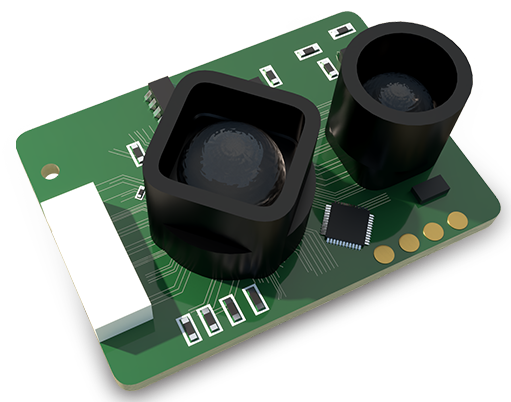
Applications are vast and deeply integrated. In automotive manufacturing, laser sensors perform critical gap and flush measurements between body panels, ensuring aesthetic quality and aerodynamic efficiency. They guide robotic arms in welding and painting with flawless trajectory control, minimizing material waste. In the electronics sector, these sensors verify the placement of microscopic components on circuit boards, detecting soldering defects or misalignments that could lead to device failure. Even in pharmaceutical packaging, laser sensors inspect fill levels in vials and check for seal integrity, upholding stringent safety standards. The data harvested is fed directly into programmable logic controllers (PLCs) and manufacturing execution systems (MES), creating a closed-loop process where machines self-correct, minimizing downtime and scrap rates.
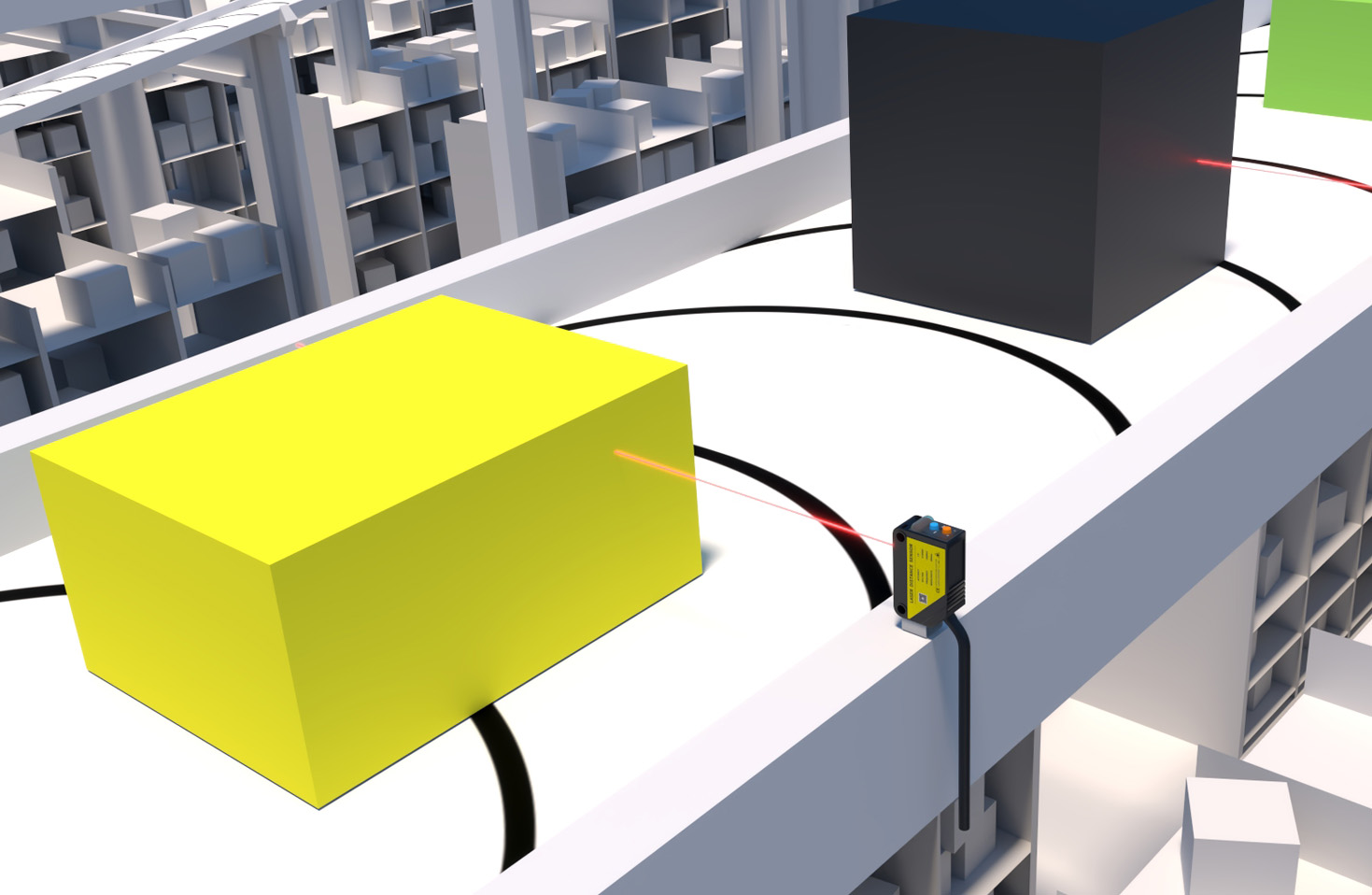
The evolution of these sensors is closely tied to advancements in laser diode technology, photodetectors, and embedded processing power. Modern laser factory sensors are smarter, smaller, and more robust. They incorporate features like ambient light rejection to function reliably in harsh environments with fluctuating lighting, such as near welding arcs. Integrated IoT connectivity allows for predictive maintenance, where the sensor itself can signal when its lens requires cleaning or its calibration is drifting, preventing unplanned stoppages. Furthermore, the integration with machine vision and artificial intelligence has birthed sophisticated systems capable of not just measuring, but also classifying defects and making complex decisions autonomously.

However, implementing laser sensing technology is not without challenges. Initial investment costs can be significant, and selecting the right sensor type—confocal, diffuse reflection, or through-beam—requires careful analysis of the application's specific needs regarding range, resolution, target material, and environmental factors. Proper installation and shielding are crucial to prevent interference from other light sources or vibrations. Regular calibration against known standards is essential to maintain long-term accuracy, as even minor misalignment can compound into major quality issues.
Looking ahead, the trajectory points toward even greater miniaturization and intelligence. Emerging trends include the development of hyperspectral laser sensors that can analyze material composition on the fly, and the use of femtosecond lasers for ultra-precise subsurface inspection. As Industry 4.0 and smart factory concepts mature, laser sensors will become even more deeply networked, serving as critical nodes in the digital twin of the physical production process. They will provide the granular, real-time data necessary for fully adaptive manufacturing systems that can reconfigure themselves for custom, on-demand production.
In conclusion, laser factory sensors are far more than simple detection tools. They are enablers of a new manufacturing paradigm defined by precision, adaptability, and data-driven insight. By providing reliable, non-contact feedback at incredible speeds, they allow machines to perceive and interact with the physical world with a level of fidelity that bridges the gap between digital design and tangible product. Their continued advancement will undoubtedly remain a cornerstone in the pursuit of manufacturing excellence, zero-defect production, and the flexible factories of the future.