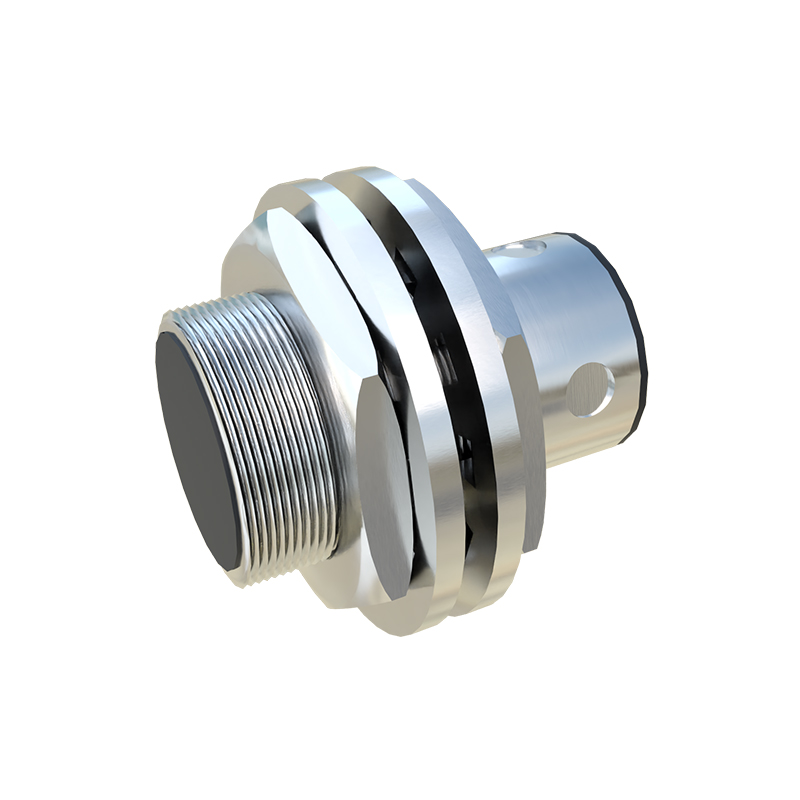
In demanding industrial environments where machinery operates under extreme thermal conditions, the reliability of electronic components becomes a critical factor for safety, efficiency, and continuous production. Proximity sensors, essential for non-contact detection and position feedback, are no exception. The ability of a proximity sensor to withstand high temperatures is not merely an added feature but a fundamental requirement in sectors like metal processing, automotive manufacturing, glass production, and aerospace engineering. Standard sensors fail when exposed to excessive heat, leading to inaccurate readings, permanent damage, and costly unplanned downtime. This makes the selection of a genuinely high-temperature-resistant proximity sensor a pivotal engineering decision.
The core challenge lies in the sensor's internal components. Traditional semiconductors, standard plastics, and common soldering materials have strict thermal limits. Prolonged exposure to temperatures above 70-85°C (158-185°F) can degrade epoxy resins, cause integrated circuits to malfunction, and lead to the delamination of internal bonds. Truly high-temperature proximity sensors are engineered from the ground up to combat these issues. They utilize specialized materials such as high-temperature thermoset plastics or ceramic housings that maintain structural integrity. Internally, wires with high-temperature insulation (like PTFE) and solder with a high melting point are used. The sensing face itself is often made of a high-grade, temperature-stable material like PEEK or specific ceramics to prevent cracking or deformation.
Two primary sensing technologies dominate the high-temperature arena: inductive and capacitive sensors. High-temperature inductive proximity sensors are the workhorses for detecting metals in hot environments, such as near furnaces, forging presses, or in die-casting machines. They are designed to ignore the ambient heat and focus on the eddy currents induced in the target metal. Key specifications to evaluate include not just the maximum ambient temperature rating—which can range from 120°C (248°F) to over 200°C (392°F) for specialized units—but also the associated sensing distance reduction factor. All sensors experience a derating of their nominal sensing range as temperature increases; a quality datasheet will clearly chart this performance curve.
High-temperature capacitive sensors solve a different set of problems. They are used to detect non-metallic materials—liquids, plastics, glass, or wood—in hot settings. Applications include monitoring hot glue levels, detecting molten glass, or controlling the fill level of heated tanks or silos. These sensors must be calibrated to ignore the container and sense only the material, a task complicated by the changing dielectric properties of some substances with temperature. Robust shielding and temperature-stable oscillators are crucial for consistent performance.
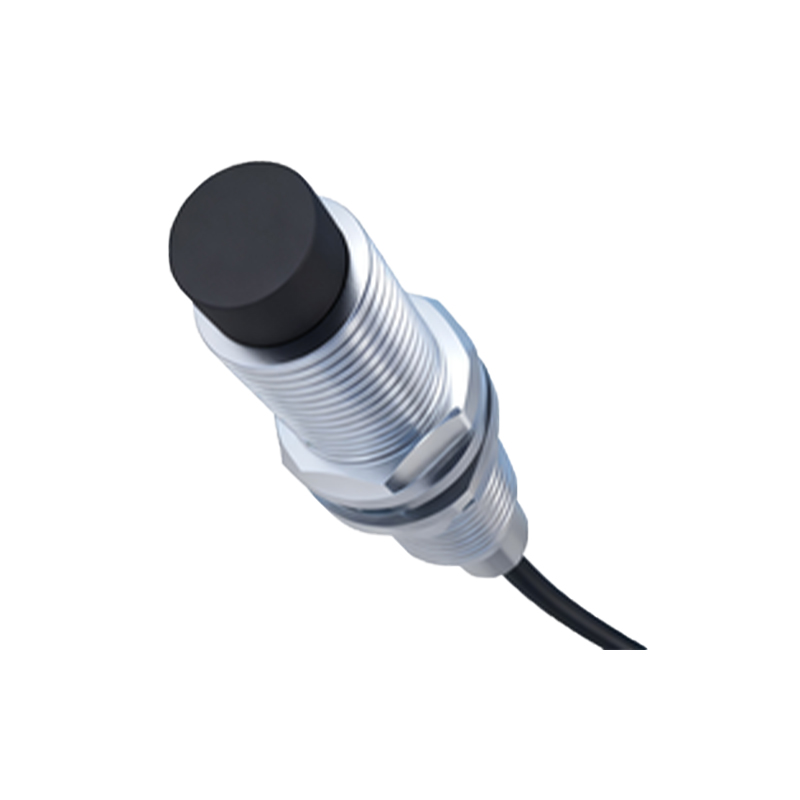
Beyond the sensor body, the installation and cabling are equally important. Even the best sensor will fail if connected with standard PVC-jacketed cables that melt or become brittle. High-temperature applications require cables with silicone, fiberglass, or PTFE insulation. Furthermore, in extreme cases, passive cooling methods like heat sinks or thermal barriers can be employed to protect the sensor's electronics from radiant heat, effectively extending its operational life. Active cooling with air or water is sometimes used but adds complexity and potential failure points.
The real-world applications are vast. In foundries, these sensors monitor the position of molten metal ladles or detect molds on conveyor belts passing through cooling tunnels. In the automotive industry, they are integral to robotic welding cells and paint-drying ovens, ensuring precise part positioning despite the intense heat. In plastic injection molding, sensors withstand the heat near the mold to confirm part ejection. The payoff for this engineering is substantial: it enables automation in previously hostile zones, reduces maintenance frequency, enhances process safety by providing reliable feedback, and ultimately protects capital investment by preventing catastrophic failures.
When specifying a high-temperature proximity sensor, engineers must look beyond the headline temperature rating. Critical factors include the sensor's housing material (IP rating for environmental protection is still vital), the type of electrical connection, the required sensing distance at the operating temperature, and the expected thermal cycling (rapid temperature changes can cause stress fatigue). Partnering with a supplier that provides comprehensive technical data and understands the application's nuances is essential. In the relentless heat of modern industry, the right high-temperature proximity sensor acts as an unwavering sentinel, enabling precision, safety, and productivity where ordinary devices cannot survive.