Selecting the right proximity sensor supplier is a critical decision that impacts the efficiency, reliability, and cost-effectiveness of your operations, whether in manufacturing, automation, or product development. The market is flooded with numerous brands and manufacturers, each promising superior performance. Navigating this landscape requires a methodical approach focused on your specific technical and commercial requirements, rather than just brand names or price tags.
The first and most crucial step is to conduct a thorough technical specification review. What is your exact application? Are you detecting ferrous metals, non-ferrous metals, or all materials? What is the required sensing distance, or switching frequency? The operating environment is equally vital. Will the sensor face extreme temperatures, washdown conditions, or strong electromagnetic interference? A reputable supplier will not just sell you a catalog number; their technical support team should engage in a detailed discussion to understand these parameters. They should ask probing questions about your mounting constraints, target material, and environmental stressors to recommend the most suitable technology—be it inductive, capacitive, ultrasonic, or photoelectric.
Beyond the initial product selection, the depth and quality of technical support become a major differentiator. The best suppliers offer comprehensive resources. This includes detailed, downloadable datasheets with full performance graphs, clear 2D and 3D CAD models for easy integration into your designs, and extensive application notes. Consider the availability of local or responsive online engineering support. When a production line halts due to a sensor issue, you need immediate, expert assistance, not a delayed email response. A supplier with a strong application engineering team can save significant downtime and cost.
Quality and reliability are non-negotiable. Investigate the supplier's manufacturing standards and quality control processes. Do they adhere to international standards like ISO 9001? What is their reported Mean Time Between Failures (MTBF)? Requesting samples for real-world testing in your own environment is a highly recommended practice. It allows you to verify performance claims regarding repeat accuracy, temperature drift, and resistance to environmental factors like oil or coolant exposure. Consistency across batches is also key; you need every sensor to perform identically.
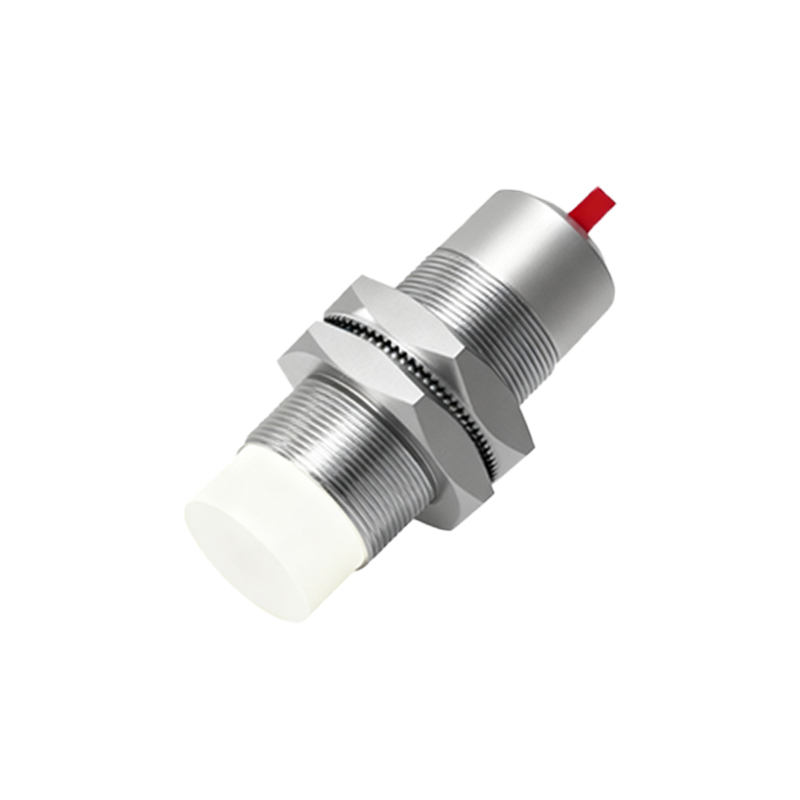
While unit cost is a factor, Total Cost of Ownership (TCO) provides a more accurate financial picture. A cheaper sensor with a high failure rate will lead to exorbitant costs in downtime, replacement labor, and lost production. Evaluate the supplier's warranty terms, lead times for standard and custom products, and the ease of ordering and logistics. A supplier with a robust global distribution network can ensure faster delivery and local inventory, reducing your stockholding costs. Furthermore, assess their capability for product customization. Can they modify housing materials, cable lengths, or output configurations to fit your unique assembly without exorbitant fees or lead times?
Finally, consider the supplier's industry reputation and long-term viability. How long have they been in business? What do customer testimonials and case studies in your sector reveal? A supplier with a proven track record in automotive, packaging, or material handling, for example, will have deeper application knowledge relevant to those fields. Their commitment to research and development is also indicative of whether they will be a partner that evolves with future technological advancements.
In conclusion, choosing a proximity sensor supplier is not a simple procurement task. It is a strategic partnership decision. The optimal choice seamlessly blends precise technical compatibility, unwavering product reliability, exceptional and accessible support, and overall economic value. By rigorously evaluating potential partners against these criteria—specifications, support, quality, TCO, and reputation—you move beyond the question of "which brand" to the more definitive answer of "which partner" can reliably support your operational success now and in the future.