In the rapidly evolving landscape of industrial automation and smart device design, the demand for sensors that offer both high performance and effortless implementation has never been greater. Among these, plug and play proximity sensors have emerged as a cornerstone technology, revolutionizing how machines perceive their environment. Unlike traditional sensors that often require complex wiring, calibration, and extensive programming, these modern devices are engineered for immediate functionality upon connection. This paradigm shift is not merely a matter of convenience; it represents a fundamental improvement in system reliability, installation speed, and overall operational efficiency.
At its core, a plug and play proximity sensor is a non-contact device designed to detect the presence or absence of an object within a specified range. It operates on various principles, including inductive, capacitive, and photoelectric sensing. The defining characteristic of the plug and play variant is its integrated intelligence. These sensors come with pre-configured settings, standardized output signals, and often, built-in diagnostics. The moment they are connected to a compatible control system—such as a Programmable Logic Controller (PLC) or an industrial PC—they are automatically recognized. This auto-detection capability eliminates the tedious manual configuration steps that were once standard procedure, drastically reducing setup time from hours to minutes.
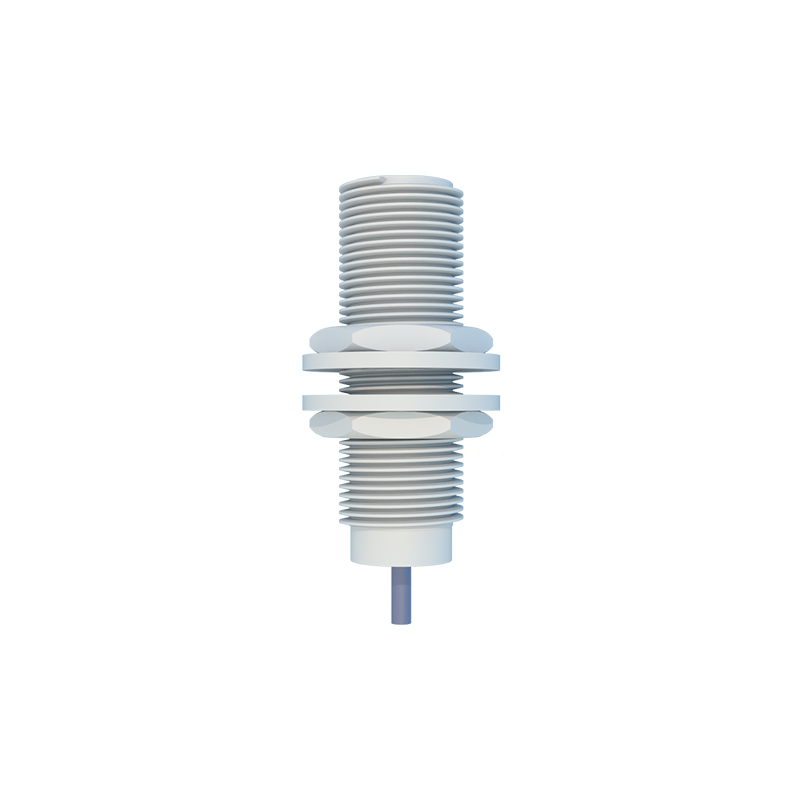
The advantages of adopting such a system are manifold. First and foremost is the significant reduction in commissioning time. In a traditional setup, technicians must meticulously wire the sensor, set parameters like sensing distance and hysteresis, and then test the integration. With a plug and play model, the physical connection is typically made via a standardized, quick-disconnect cable or a M8/M12 connector. The control system immediately identifies the sensor type and its capabilities, often auto-configuring the input channel accordingly. This plug-and-forget approach minimizes human error, ensuring consistent performance right from the first power cycle.
Furthermore, maintenance and troubleshooting become remarkably straightforward. Many advanced plug and play sensors feature LED indicators that provide real-time status information—power on, object detection, fault condition—and some can even communicate detailed diagnostic data over the network. If a sensor fails, replacement is as simple as unplugging the old unit and connecting a new one. The system typically recognizes the new sensor and resumes normal operation without requiring reprogramming. This interchangeability is crucial for minimizing machine downtime in high-throughput environments like automotive assembly lines or packaging facilities.
The applications for these intelligent sensors are vast and growing. In manufacturing, they are indispensable for tasks such as part positioning on conveyor belts, robotic arm end-effector guidance, and automated quality control checks. In the realm of consumer electronics, they enable features like automatic screen dimming in laptops and tablets when a user is not in proximity. The logistics and warehousing sector utilizes them for pallet detection and inventory management. The common thread across all these use cases is the need for reliable, hands-off sensing that integrates seamlessly into larger digital ecosystems, including the Industrial Internet of Things (IIoT).
When selecting a plug and play proximity sensor for a specific application, several key factors must be considered. The sensing technology—inductive for metals, capacitive for non-metals and liquids, photoelectric for long-range or specific color detection—must match the target object. The sensing range, environmental rating (IP67 for dust and water resistance is common), housing material (often nickel-plated brass or stainless steel), and output type (PNP/NPN, analog, or IO-Link) are critical specifications. IO-Link, a point-to-point serial communication protocol, is becoming increasingly prevalent as it allows for bidirectional data exchange, enabling not just detection but also parameter setting and advanced diagnostics through the control system.
Looking ahead, the future of plug and play sensing is tightly interwoven with trends like Industry 4.0 and smart manufacturing. The next generation of these sensors will offer even greater connectivity, perhaps with built-in wireless capabilities or enhanced cybersecurity features. They will provide richer data streams, contributing to predictive maintenance models by reporting on their own health and performance metrics. This evolution will further blur the line between a simple detection device and an intelligent node in a networked production environment.
In conclusion, plug and play proximity sensors are far more than a convenient alternative to their traditional counterparts. They are a strategic enabler for agile, efficient, and resilient automated systems. By abstracting away complexity and ensuring reliable out-of-the-box performance, they empower engineers and technicians to focus on higher-level system design and optimization. For any organization seeking to streamline operations, reduce downtime, and future-proof its automation infrastructure, investing in robust plug and play proximity sensing technology is not just an option—it is an imperative step towards operational excellence.