In the world of industrial automation and process control, accurate and reliable level measurement is a cornerstone of efficiency, safety, and quality. Among the array of technologies available, the laser level sensor stands out as a premier solution for non-contact, high-precision applications. This guide delves into the principles, advantages, and diverse uses of this sophisticated instrumentation.
At its core, a laser level sensor operates on the principle of time-of-flight (ToF) measurement. The device emits a focused pulse of laser light towards the surface of the material being measured. This light beam reflects off the target and returns to a detector within the sensor. An internal microprocessor calculates the distance to the material by precisely measuring the time elapsed between the emission and reception of the laser pulse. This calculated distance is then used to determine the material level within a tank, silo, or other container, often referenced to a known zero point.

The choice of laser, typically in the visible red or infrared spectrum, is crucial. It allows for an extremely narrow, coherent beam. This characteristic is the source of the technology's key benefits. Unlike ultrasonic sensors, which use sound waves, laser beams are not affected by factors like temperature gradients, dust, vapor, or changing gas compositions in the space above the material. They provide exceptional accuracy, often within millimeters, even over long ranges. Furthermore, the small beam spot enables precise measurement of materials with uneven surfaces or in vessels with internal obstructions, as the sensor can be aimed to avoid them.
The advantages of laser level sensors are compelling for many challenging environments. Their non-contact nature means there is no wear and tear from the process material, making them ideal for abrasive, corrosive, or sticky substances like cement, molten plastic, or hot metals. They require minimal maintenance as no part is in direct contact with the material. The high precision supports stringent inventory control and batch processes, reducing waste and ensuring recipe consistency. Additionally, their fast response time makes them suitable for dynamic level measurement in filling applications or agitated vessels.
Applications for laser level sensors span numerous industries. In the chemical and pharmaceutical sectors, they monitor levels of powders, granules, and liquids in mixing reactors and storage tanks, ensuring process integrity. The food and beverage industry utilizes them for hygienic measurement of ingredients in silos or processing vats. In water and wastewater treatment, they measure sludge levels and control pumps. Perhaps one of the most demanding applications is in the bulk solids handling industry, such as in cement plants or grain elevators, where dust-laden atmospheres render other technologies ineffective. The laser's ability to penetrate dust and provide a clear signal to the solid surface is invaluable.
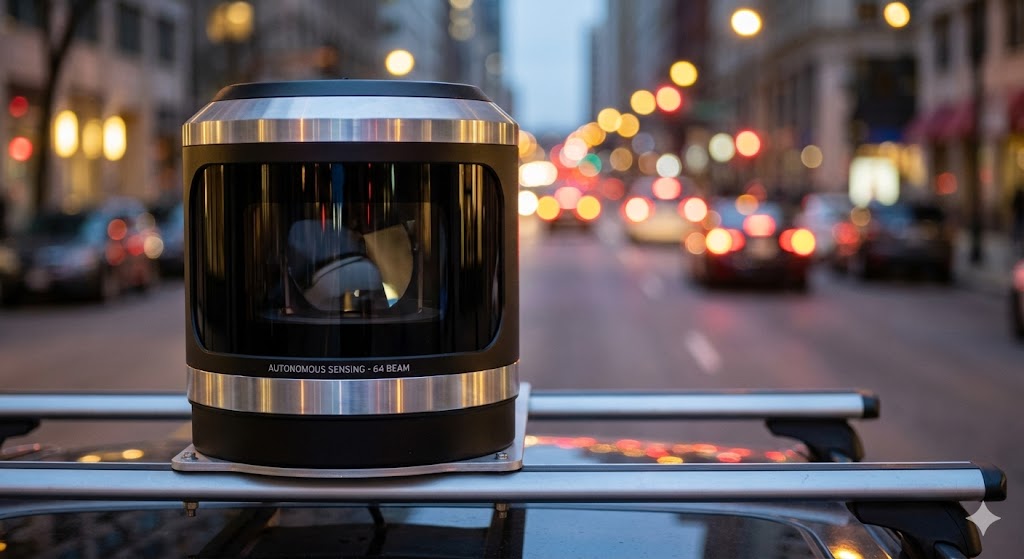
Selecting and installing a laser level sensor requires careful consideration. Key parameters include the measurement range, the required accuracy, the type of material surface (dark, shiny, rough), and the process conditions (pressure, temperature). For highly reflective surfaces, special models with advanced echo processing algorithms are needed to filter out false signals. Proper alignment during installation is critical, and many modern sensors come with integrated video cameras or Bluetooth interfaces to assist with aiming via a smartphone app, simplifying commissioning significantly.
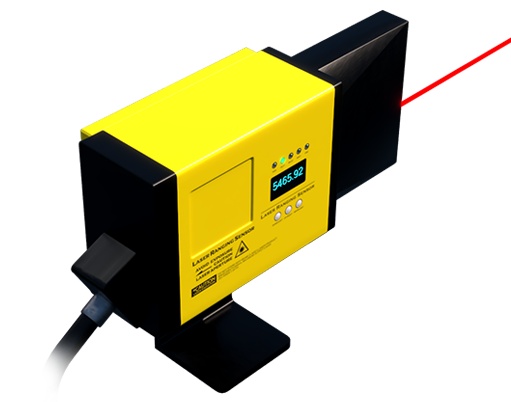
While the initial investment for a laser level sensor may be higher than some contact methods, the total cost of ownership is often lower. The reduction in maintenance downtime, increased process efficiency, and prevention of overfill or run-dry situations contribute to a rapid return on investment. They represent a move towards smarter, more resilient industrial operations.
In conclusion, laser level sensors offer a powerful combination of precision, reliability, and versatility for non-contact level measurement. By leveraging light-based time-of-flight technology, they solve measurement challenges in environments where other technologies falter. As industries continue to prioritize automation and data accuracy, the role of the laser level sensor as a critical tool for process optimization and asset management is set to grow even further, providing clear insight into the contents of any vessel.