Water damage remains one of the most costly and disruptive issues for homeowners and industries alike. Traditional leak detection methods often rely on contact sensors or moisture probes that only trigger an alarm after water has already made contact. This reactive approach can mean the difference between a minor alert and a major, expensive disaster. Enter laser-based leak detection sensors—a proactive technological leap that is fundamentally changing how we protect our assets from water intrusion.
At its core, a laser leak sensor operates on a principle of light reflection and triangulation. Instead of waiting for water to touch a probe, these devices project an invisible, safe laser beam onto a monitored surface, such as a floor beneath a water heater, pipe junction, or basement foundation. A receiver in the sensor constantly analyzes the reflection pattern of this beam. Under normal, dry conditions, the light reflects back in a predictable manner. However, the presence of water—even a microscopic film or the first bead of condensation—drastically alters the surface's reflective properties. The water film causes the laser light to scatter and diffuse, creating a distinct signature that the sensor's sophisticated processor instantly recognizes as a leak event.
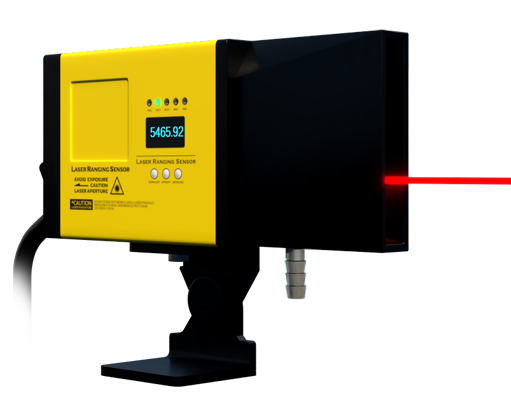
This non-contact method offers profound advantages. First and foremost is speed. Detection occurs at the very inception of moisture presence, often before a human eye could see a droplet. This early warning can allow for automated shut-off valves to engage, preventing thousands of gallons of water loss and mitigating structural damage. Secondly, these sensors are remarkably reliable and low-maintenance. With no physical parts exposed to water or corrosion, and no need for conductive probes that can degrade over time, laser sensors offer long-term stability with minimal false alarms. They are immune to issues like dust accumulation on dry surfaces, as the optical system is calibrated to recognize the specific scattering pattern of liquids.
The applications are vast and growing. In smart homes, these sensors are being integrated into whole-house water security systems, providing room-by-room monitoring without the need for multiple point sensors in every potential leak location. In data centers and telecommunications facilities, where even a minor water leak can cripple critical infrastructure, laser sensors provide a first line of defense for server rooms and under-floor cabling. Industrial settings, including manufacturing plants, laboratories, and warehouses, use them to protect sensitive equipment and inventory. Furthermore, they are invaluable in commercial buildings for monitoring hidden pipes, elevator shafts, and ceiling spaces above valuable assets.
Integration with the Internet of Things (IoT) is a key driver of their adoption. Modern laser leak sensors are typically equipped with wireless connectivity, feeding real-time status data to a central hub or cloud platform. Users receive instant notifications on their smartphones, and the system can log historical data, pinpointing the exact time and location of an incident. This data is crucial for insurance claims and preventative maintenance planning. When paired with AI-driven analytics, these systems can even learn the normal environmental baseline of a location, further enhancing their accuracy in distinguishing between a true leak and an anomalous but harmless environmental change.
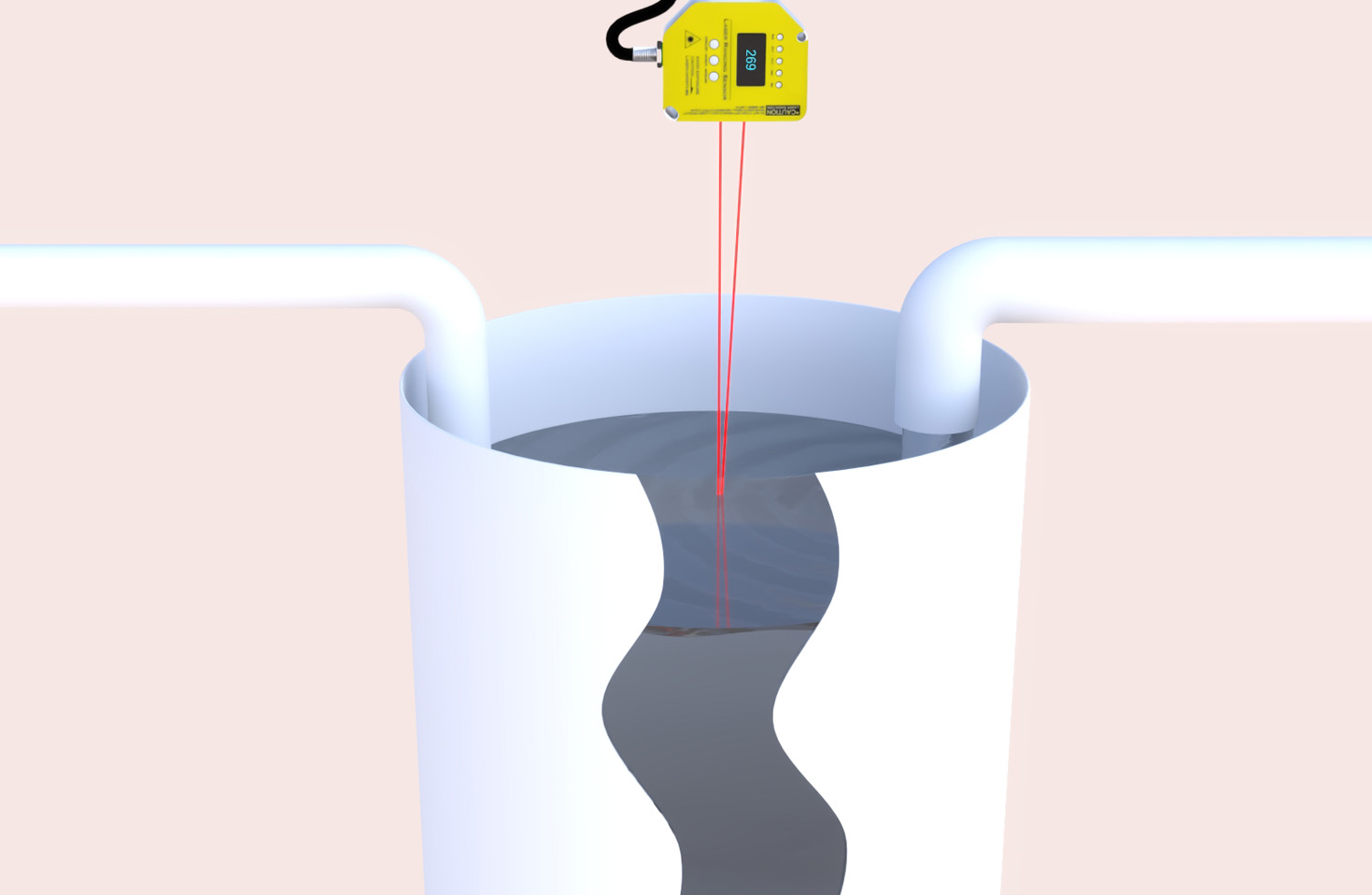
While the initial investment for a laser-based system may be higher than for traditional contact sensors, the total cost of ownership tells a different story. The prevention of a single major water damage event—involving repairs, mold remediation, business interruption, and increased insurance premiums—can justify the entire system's cost many times over. The technology represents a shift from reactive insurance to proactive asset protection.
As water conservation and infrastructure protection become increasingly urgent global priorities, laser leak detection stands out as a smart, efficient, and highly reliable solution. It moves protection from the realm of physical contact to the realm of light, offering a silent, vigilant, and incredibly precise guardian against one of property's most persistent threats. The future of water management is not just about smarter pipes and valves, but about smarter sensing—seeing the problem before it truly begins.
