In the intricate dance of modern technology, where machines interact with users and their environments, proximity sensors serve as the silent, unseen conductors. These compact electronic components detect the presence or absence of nearby objects without any physical contact, enabling a world of responsive and intuitive interactions. Their fundamental principle is elegantly simple: they emit an electromagnetic field or a beam of radiation and look for changes in the return signal. This basic functionality, however, unlocks a vast and growing landscape of applications that touch nearly every aspect of our daily lives and industrial processes.
One of the most ubiquitous applications is in the realm of consumer electronics. Smartphones have popularized the use of infrared (IR) proximity sensors. When you hold your phone to your ear during a call, the sensor detects your face and automatically turns off the touchscreen display. This prevents accidental cheek-taps from hanging up or muting the call and significantly conserves battery power. Similarly, laptops and tablets use these sensors to detect when a user is present, waking the device from sleep mode for a seamless experience. In smart home ecosystems, proximity sensors enhance convenience and safety. They can trigger automatic lighting in hallways or closets, activate faucets and soap dispensers in public restrooms for improved hygiene, or power on smart displays as you approach.
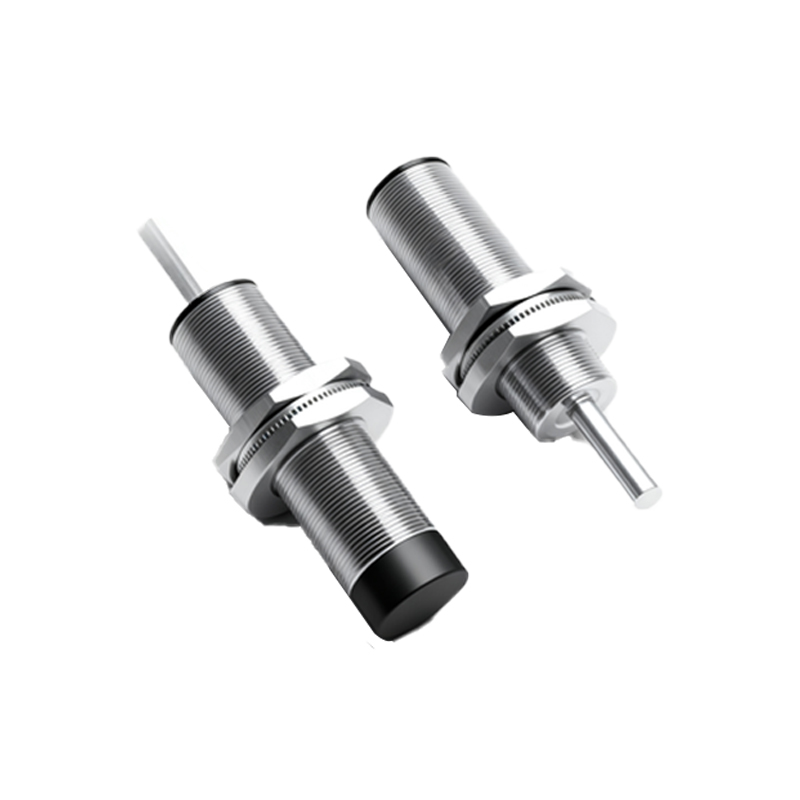
The automotive industry is another major beneficiary. Modern vehicles are equipped with an array of ultrasonic, capacitive, and radar-based proximity sensors that form the backbone of Advanced Driver-Assistance Systems (ADAS). Parking assistance systems rely on ultrasonic sensors to measure the distance to obstacles, providing audible or visual cues to the driver. More advanced systems use these sensors for blind-spot detection, cross-traffic alerts when reversing, and even for hands-free trunk opening where a simple foot gesture under the rear bumper is detected. Inside the cabin, capacitive sensors can detect a passenger's presence to enable or disable airbags appropriately, enhancing safety.
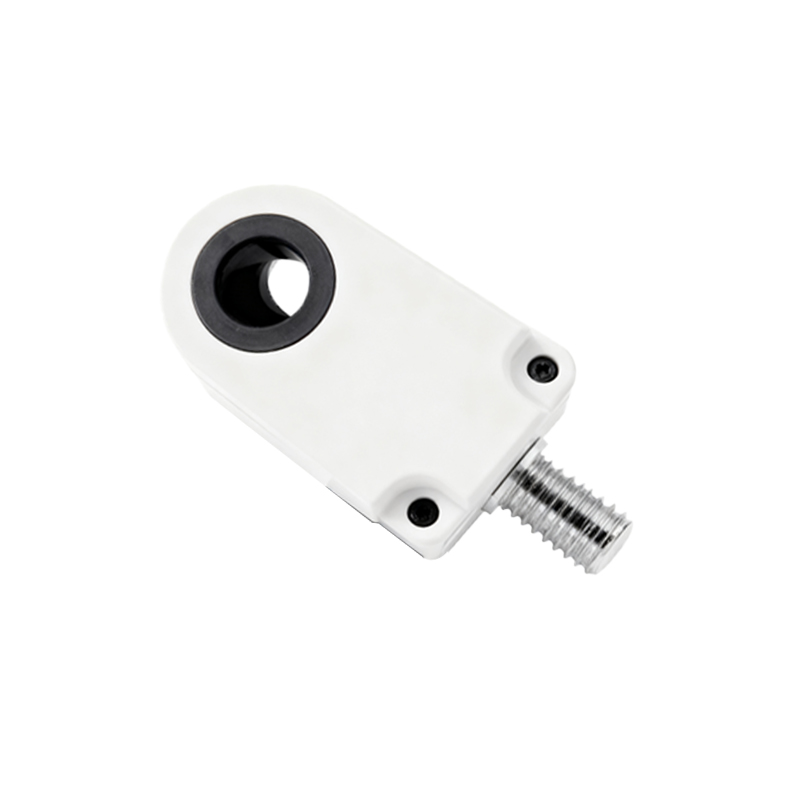
Industrial automation and robotics represent a critical domain where precision and reliability are paramount. Here, inductive proximity sensors, which detect metallic objects, are workhorses. They are used for precise object detection on assembly lines, counting products, verifying the position of machine parts, and ensuring robotic arms operate within safe parameters. In harsh factory environments, these robust sensors are valued for their immunity to dust, oil, and moisture. Photoelectric sensors, using light beams, are employed for similar non-contact detection of both metallic and non-metallic materials, often over longer ranges, facilitating complex material handling and packaging operations.
Beyond these common uses, innovative applications continue to emerge. In the retail sector, proximity sensors combined with beacon technology can send personalized promotions to a customer's smartphone as they linger near a specific product display. In healthcare, they are used in infusion pumps to ensure proper setup and in touchless interfaces for medical equipment, reducing cross-contamination. Public infrastructure utilizes them for touchless elevator buttons and automatic doors, promoting accessibility and hygiene—a feature whose importance was magnified during recent global health concerns. Even in agriculture, sensors monitor grain levels in silos or help guide autonomous harvesting equipment.
The choice of sensor technology—inductive, capacitive, ultrasonic, photoelectric, or magnetic—depends heavily on the specific application requirements, including the nature of the target material, required sensing distance, environmental conditions, and cost constraints. As the Internet of Things (IoT) expands, the integration of proximity sensors with wireless connectivity and data analytics is creating smarter, more predictive systems. They are no longer just simple switches; they are data points that feed into intelligent networks, enabling predictive maintenance on factory floors or nuanced user behavior analysis in retail.
Looking ahead, the evolution of proximity sensing is intertwined with advancements in miniaturization, energy efficiency, and sensor fusion. The development of more sophisticated LiDAR and time-of-flight sensors is pushing the boundaries of 3D spatial awareness for applications in augmented reality, advanced robotics, and fully autonomous vehicles. The humble proximity sensor, in its many forms, remains a foundational technology. Its ability to bridge the physical and digital worlds through simple, non-contact detection continues to drive innovation, making our machines more aware, our interactions more natural, and our systems more efficient and safe. Its silent operation belies its profound impact on shaping a responsive technological environment.