In the realm of industrial automation and consumer electronics, proximity sensors have become indispensable components. While their basic function—detecting the presence or absence of an object without physical contact—is well-understood, the design of their sensing fields, particularly irregular or non-standard patterns, is a sophisticated area of engineering. This discussion delves into the concept of proximity sensor irregular patterns, exploring their design principles, diverse applications, and key considerations for optimization.
An irregular pattern in a proximity sensor refers to a sensing field that is not the typical circular, oval, or standard rectangular shape. Instead, it is custom-shaped to fit specific spatial constraints or detection requirements. This is achieved not by altering the fundamental physics of sensing (which often relies on electromagnetic, capacitive, or optical principles) but by strategically designing the sensor's housing, lens, emitter/receiver arrangement, or by applying masking techniques. For instance, an optical proximity sensor might use a precisely crafted aperture or a faceted lens to cast a sensing beam in a narrow, elongated line or an L-shaped pattern. Similarly, a capacitive sensor's electrode shape can be tailored to create a field that conforms to an irregular object's profile.
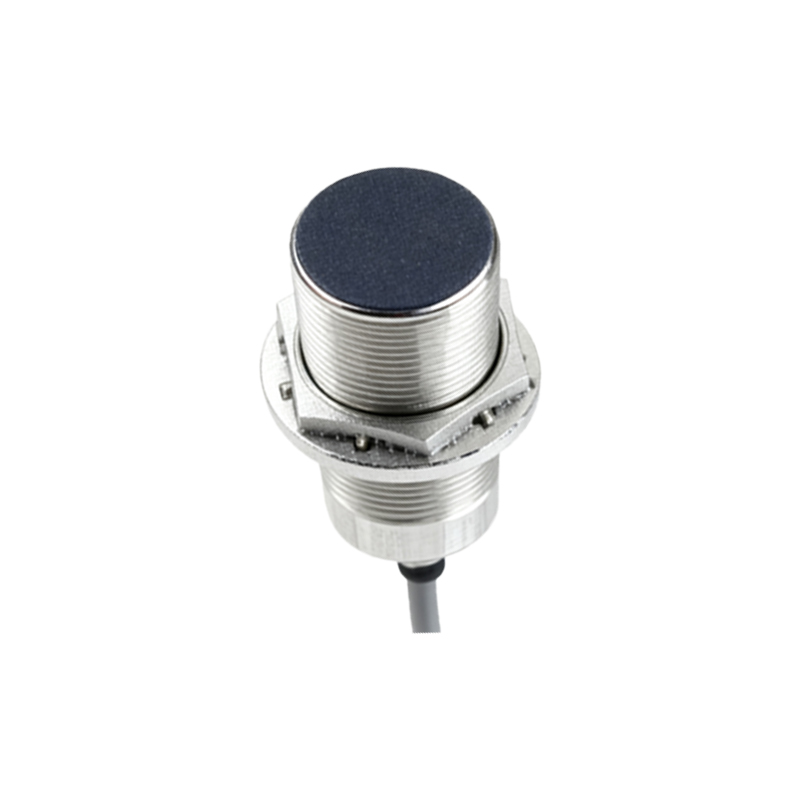
The primary driver for adopting these irregular patterns is the need to solve specific spatial and functional challenges in real-world applications. In automotive assembly lines, for example, a sensor might need to detect a specific bolt head on an engine block amidst a cluster of similar metal parts. A standard circular field might encompass interfering objects, causing false triggers. An irregular, narrowly focused pattern can target only the intended bolt, enhancing reliability. Within consumer devices like smartphones, space is at an extreme premium. An irregularly shaped infrared proximity sensor field can be designed to avoid interference from the speaker grille or the device's bezel, ensuring accurate screen blanking during calls without being affected by the user's hand holding the phone in various positions.
Robotics presents another fertile ground. Gripper arms in collaborative robots (cobots) often require sensors that map precisely to the contours of the gripper fingers to detect object slippage or correct grasping without bulky external hardware. An irregular capacitive pattern molded into the gripper's surface provides this seamless, integrated detection. In logistics and packaging, sensors with fan-shaped or custom linear patterns are used to detect the leading edge of a box on a conveyor belt, regardless of its lateral position, enabling precise triggering for sorting arms or label printers.
Designing an effective irregular pattern requires a multi-disciplinary approach. It begins with a meticulous analysis of the detection task: What is the exact target object? What are the potential sources of interference? What are the environmental conditions (ambient light, dust, temperature)? Computational modeling and simulation tools are crucial for predicting the shape and reach of the proposed sensing field before prototyping. Factors like sensor hysteresis, response time, and environmental compensation must be tuned for the non-standard field. Material selection for lenses or masks is also critical; it must not attenuate the signal excessively or degrade under operational stress.
Furthermore, the integration of these sensors often necessitates close collaboration between sensor manufacturers and the end-user's design engineers. It's not merely a component purchase but a co-development process to ensure the irregular pattern performs its dedicated task without compromising the sensor's longevity or the system's overall performance. Calibration and testing become more nuanced, requiring jigs and setups that replicate the exact application scenario.
In conclusion, proximity sensors with irregular patterns represent a move from off-the-shelf solutions to application-engineered detection. They transcend the limitations of standard sensing fields, offering precision and flexibility for complex modern machinery and compact electronic devices. As industries push for greater miniaturization, efficiency, and intelligence in automated systems, the role of these tailored sensing solutions will only grow, highlighting the importance of sophisticated optical, electrical, and mechanical design in achieving seamless and reliable object detection.