The realm of sensing technology is undergoing a profound transformation, driven by the relentless miniaturization and performance enhancement of its core component: the laser sensor chip. These sophisticated semiconductor devices, which integrate laser emission, modulation, and photodetection functionalities, are the critical enablers for applications ranging from autonomous vehicles and industrial automation to consumer electronics and advanced healthcare. At the forefront of this revolution stand a select group of global enterprises, distinguished not only by their manufacturing scale but by their deep investments in research, proprietary intellectual property, and ecosystem development. These laser sensor chip leaders are not merely suppliers; they are architects of the sensory capabilities defining next-generation intelligent systems.
One cannot discuss leadership in this space without acknowledging the pivotal role of Lumentum Holdings Inc.. A powerhouse in optical and photonic products, Lumentum has carved a dominant position, particularly in 3D sensing. Its vertical-cavity surface-emitting laser (VCSEL) arrays are integral to the facial recognition systems in millions of smartphones and tablets. Beyond consumer tech, Lumentum's chips are crucial for Light Detection and Ranging (LiDAR) systems, providing the high-power, reliable laser sources needed for accurate long-range object detection in autonomous driving applications. Their strength lies in mastering the complex epitaxial growth and wafer-level testing processes required for high-volume, high-yield production of these delicate components.
Similarly, II-VI Incorporated (now Coherent Corp. following a landmark merger) represents a titan of engineered materials and optoelectronic components. The company’s expertise spans the entire value chain, from compound semiconductor substrates to finished laser diode chips. This vertical integration provides unparalleled control over material quality and performance parameters. II-VI/Coherent is a key supplier of edge-emitting laser diodes and VCSELs for sensing, with significant traction in industrial applications. Their chips are found in laser-based distance measurement tools, factory automation sensors for level monitoring and object detection, and emerging areas like gesture recognition. The merger with Coherent significantly bolstered their portfolio in high-power lasers, further solidifying their position across diverse sensing markets.
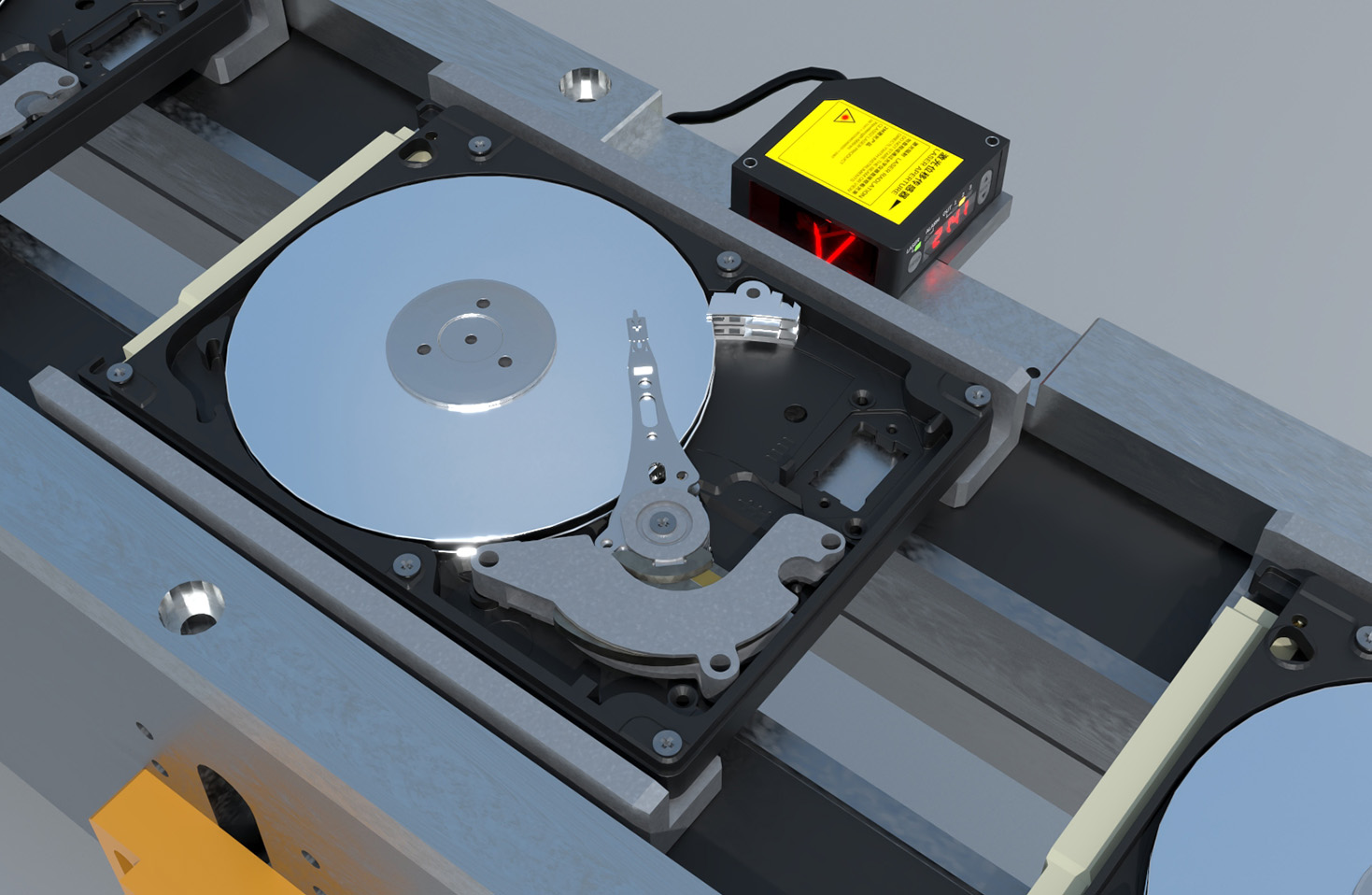
From Europe, ams-OSRAM AG emerges as a formidable leader, especially following its acquisition of OSRAM. The company possesses a world-class portfolio in emitters and sensors, creating a unique synergy for integrated sensing solutions. ams-OSRAM excels in developing miniaturized, high-efficiency laser components for consumer and automotive markets. Their offerings include infrared VCSELs for mobile device proximity and ambient light sensing, as well as advanced emitter solutions for in-cabin monitoring systems in cars—tracking driver alertness or occupant presence. Their focus on system-level optimization, combining lasers with specialized optics and drivers, provides customers with complete, application-ready modules, reducing development complexity.
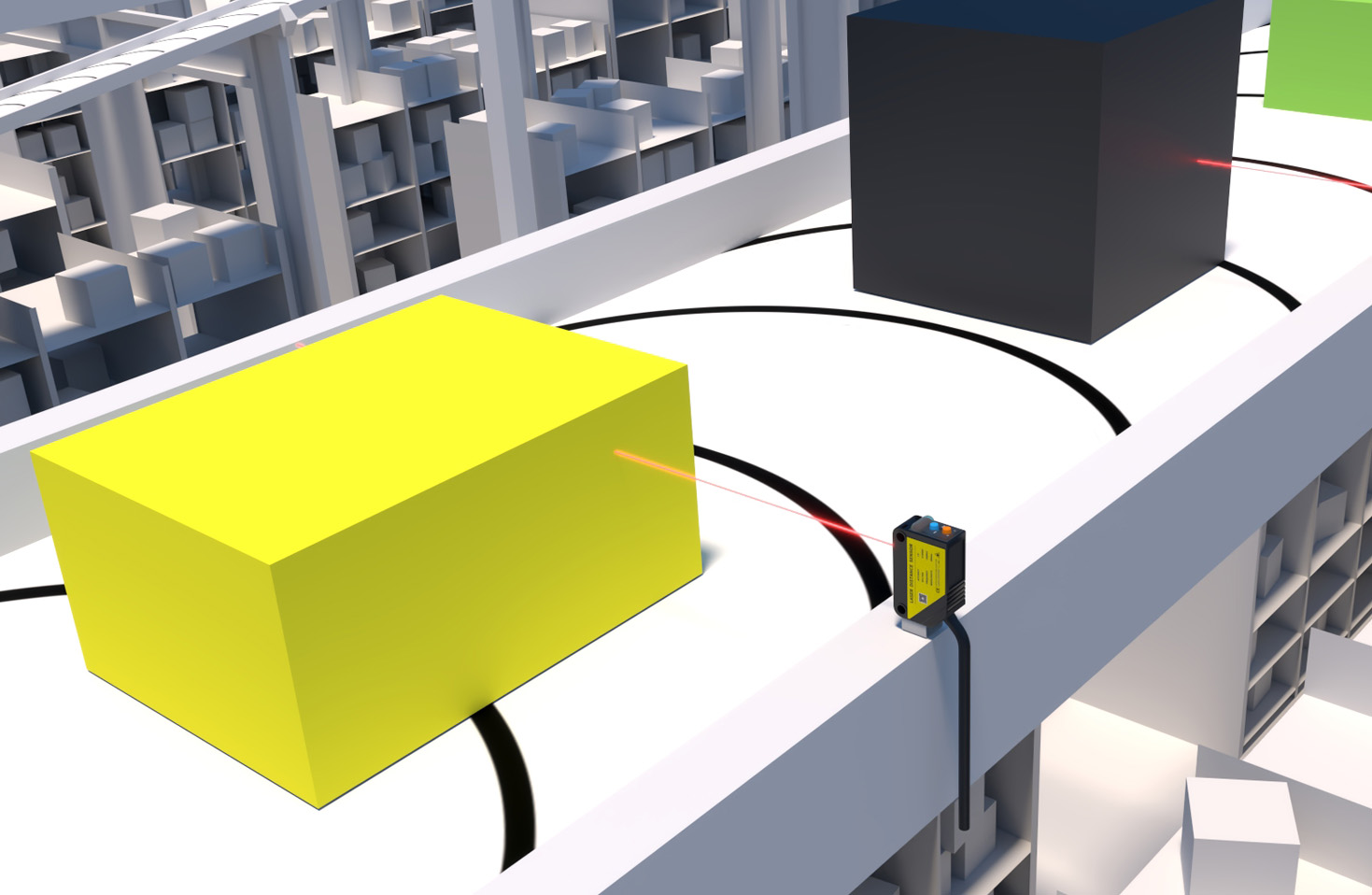
In Asia, Hamamatsu Photonics K.K. of Japan commands immense respect for its technological prowess and quality. While renowned for its photomultiplier tubes, Hamamatsu is also a leading producer of laser diodes and sensor modules for scientific, medical, and industrial sensing. Their chips are often employed in high-precision, lower-volume applications where accuracy and reliability are paramount, such as environmental gas analyzers, biomedical diagnostic equipment, and precision alignment tools in semiconductor manufacturing. Their leadership is rooted in deep photonics research and a commitment to pushing the boundaries of detection limits and signal-to-noise ratios.
The competitive landscape also features specialized innovators like Trumpf Photonic Components, a division of the German industrial giant Trumpf. They are specialists in VCSEL technology for sensing and data communications, known for their high-performance arrays designed for demanding environments. Their chips are increasingly targeted at automotive LiDAR and industrial 3D scanning, where robustness and performance under varying temperatures are critical.
The leadership of these companies is cemented by several common strategic pillars. First is massive R&D investment. Developing next-generation laser sensor chips requires cutting-edge work in semiconductor physics, materials science (like gallium arsenide and indium phosphide), and thermal management. Second is advanced manufacturing and packaging. The ability to package a sensitive laser diode with a monitor photodiode and optics into a robust, miniaturized, surface-mount package is a core competency. Third is strategic collaboration and standardization. Leaders work closely with Tier-1 system integrators, automotive OEMs, and consumer electronics giants to define future requirements and often participate in industry consortia to help set technical standards for areas like automotive LiDAR.
Looking ahead, the trajectory for these龙头企业 is exceptionally bright, yet fraught with challenges. Demand is surging from the automotive sector's push towards higher levels of autonomy (SAE Level 3+), requiring more reliable, long-range, and cost-effective LiDAR chips. The industrial Internet of Things (IIoT) and robotics revolution will drive need for millions of precise proximity, position, and vibration sensors. However, leaders must continuously navigate pressures on cost reduction for mass-market adoption, complex supply chain dynamics for specialized materials, and the intense technical challenge of integrating more functions (like beam steering) onto single photonic integrated circuits (PICs).
In conclusion, the landscape of laser sensor chip technology is defined by a concentrated group of global leaders whose innovations are directly enabling the sensory perception of machines. Companies like Lumentum, II-VI/Coherent, ams-OSRAM, and Hamamatsu Photonics, through their mastery of photonic semiconductor design and manufacturing, are providing the essential "eyes" for a new wave of intelligent applications. Their ongoing battle for technological supremacy and market share will undoubtedly accelerate the performance and accessibility of laser sensing, embedding this critical technology ever deeper into the fabric of our automated world.