In the realm of industrial automation, robotics, and smart devices, the ability to detect the presence or absence of an object without physical contact is fundamental. This capability is provided by proximity sensors, and among them, X proximity sensors represent a significant category known for their reliability and versatility. This article delves into the workings, primary types, common applications, and key considerations for selecting the right X proximity sensor for your needs.
At its core, an X proximity sensor is a non-contact electronic device designed to detect the presence of a target object within a specified sensing range. The "X" often denotes a specific model series, a particular technology type, or a standardized form factor from a manufacturer. Unlike mechanical switches, these sensors operate without touching the object, thereby eliminating wear and tear and enabling high-speed detection. The basic principle involves emitting a field or beam and monitoring changes in that field caused by the intrusion of a target. When an object enters the detection zone, it triggers a change in the sensor's output state, typically switching an electrical signal from OFF to ON or vice versa.
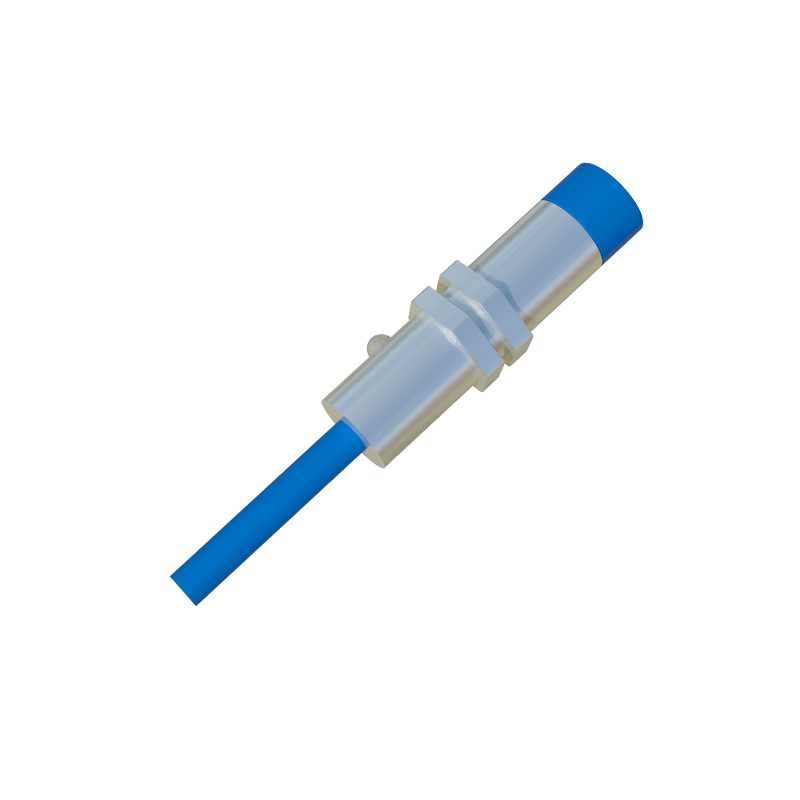
The performance and suitability of an X proximity sensor largely depend on its underlying sensing technology. The most prevalent types include inductive, capacitive, and photoelectric sensors, each with distinct operating principles and ideal use cases.
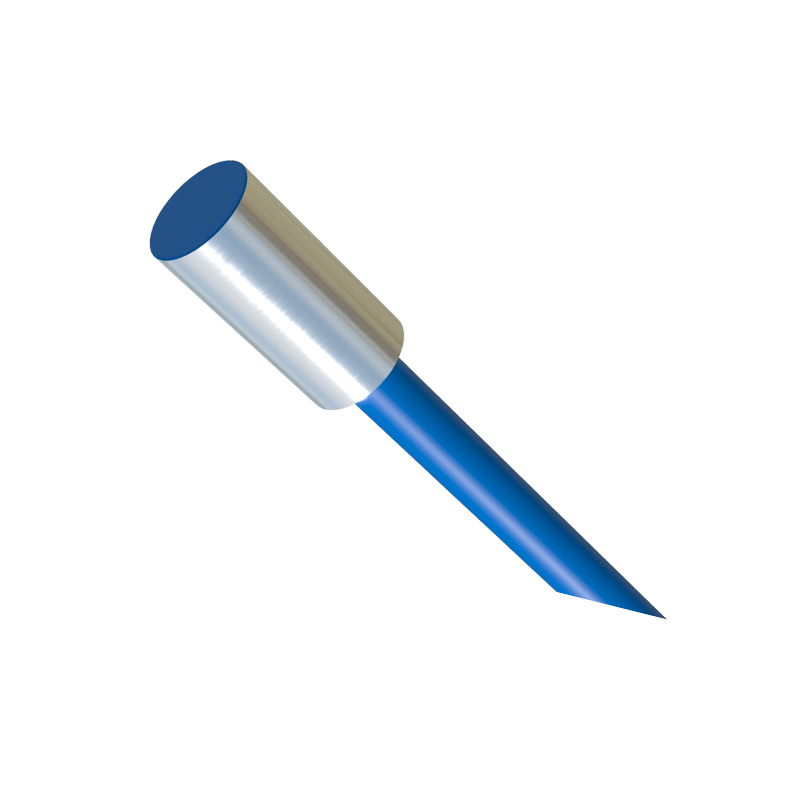
Inductive proximity sensors are the workhorses for detecting metallic objects. They generate an oscillating electromagnetic field from a coil. When a ferrous or non-ferrous metal object enters this field, it induces eddy currents, causing a change in the oscillation amplitude. The sensor's circuitry detects this change and triggers the output. These sensors are highly robust, resistant to environmental factors like dust and oil, and are perfect for counting metal parts, determining position limits in machinery, or detecting the presence of a metal gear tooth.
Capacitive proximity sensors, on the other hand, can detect both metallic and non-metallic materials, including liquids, plastics, wood, and granules. They function by generating an electrostatic field. Any object with a dielectric constant different from air will alter the capacitance of the sensor's field when it approaches. This change is measured and used to switch the output. This makes them invaluable in level detection for tanks (liquid or powder), material handling for non-metallic products, and applications requiring detection through thin non-metallic walls.
Photoelectric sensors use light to detect objects. An X series photoelectric sensor typically consists of a light emitter (usually LED) and a receiver. They operate in three main modes: through-beam (separate emitter and receiver), retro-reflective (with a reflector), and diffuse (reflective), where the sensor uses light reflected from the object itself. They offer the longest sensing ranges and can detect virtually any material, as long as it interrupts or reflects the light beam. Common applications include object detection on conveyor belts, bottle counting in packaging, and safety curtains.
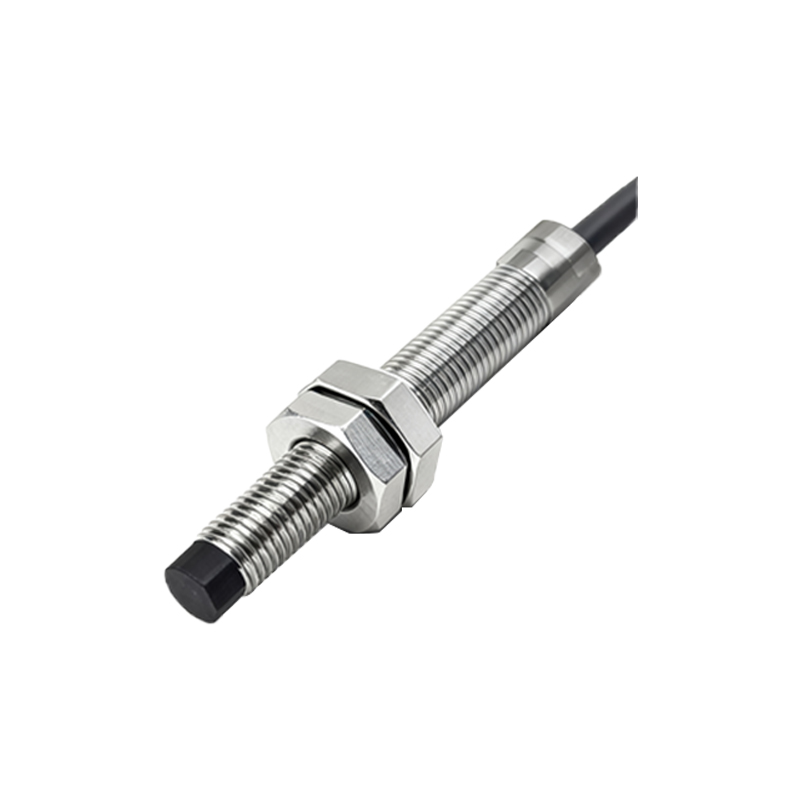
The applications of X proximity sensors span virtually every industry. In automotive manufacturing, they ensure precise positioning of robotic arms for welding and assembly. In food and beverage processing, capacitive sensors monitor liquid levels in stainless steel tanks, while photoelectric sensors verify label placement on bottles. In material handling and packaging, inductive sensors confirm the passage of metal containers, and photoelectric sensors break beams to count boxes. They are also integral to modern consumer electronics, such as detecting when a smartphone is held to the ear to turn off the screen.
Selecting the appropriate X proximity sensor requires careful analysis of several parameters. First, identify the target material (metal, plastic, liquid) to narrow down the technology type. Next, determine the required sensing distance or range, ensuring you account for a safety factor, as specifications are typically given for ideal conditions. The sensor's housing material and ingress protection (IP) rating are critical for the operating environment—will it face washdowns, corrosive chemicals, or extreme temperatures? Output type is another decision point: NPN (sinking) or PNP (sourcing) transistor outputs are standard, with some offering analog or IO-Link outputs for more data communication. Finally, consider the physical size and mounting style (threaded barrel, rectangular block) to ensure it fits the mechanical design.
Installation and maintenance are straightforward but crucial for optimal performance. Ensure proper mounting, avoiding metal-to-metal contact for inductive sensors, and maintain a clean lens for photoelectric sensors. Electrical wiring should follow the manufacturer's datasheet to prevent damage from incorrect voltage or wiring shorts. Regular checks for physical damage, accumulation of debris, and stable output signals will ensure long-term reliability.
In conclusion, X proximity sensors are indispensable components that bring intelligence, efficiency, and safety to automated systems. By understanding the different technologies—inductive for metals, capacitive for nearly everything, and photoelectric for long-range—engineers and technicians can make informed choices. Evaluating the application's specific demands for target material, sensing range,