In the rapidly evolving landscape of industrial automation, consumer electronics, and automotive systems, proximity sensors have become indispensable components. These non-contact devices detect the presence or absence of objects within a defined range, enabling precise control, safety, and efficiency. The global market for proximity sensors is driven by the relentless push towards Industry 4.0, smart manufacturing, and the Internet of Things (IoT). This growth has fostered a competitive and innovative ecosystem of proximity sensor manufacturers, each striving to deliver higher accuracy, reliability, and integration capabilities.
The leading manufacturers in this field are typically established industrial automation giants and specialized sensor technology firms. Companies like Siemens, Omron, Rockwell Automation, and Schneider Electric have extensive portfolios that include a wide array of inductive, capacitive, ultrasonic, and photoelectric proximity sensors. Their strength lies in providing robust, industrial-grade solutions that can withstand harsh environments, extreme temperatures, and electromagnetic interference. These sensors are the workhorses of factory automation, used in packaging, material handling, and assembly lines for tasks like object counting, position verification, and machine safety.
Alongside these industrial titans, a segment of specialized manufacturers focuses on pushing the boundaries of sensor technology. Firms like Pepperl+Fuchs, Balluff, and SICK AG are renowned for their deep expertise in sensing solutions. They often pioneer advancements in miniaturization, sensing range, and output configurations. For instance, developments in miniaturized inductive sensors allow for installation in extremely tight spaces on modern machinery, while enhanced capacitive sensors can detect non-metallic objects like liquids or plastics through barriers, expanding their application in food processing or chemical industries.
The requirements of the automotive sector have also shaped a distinct group of manufacturers. The need for ultra-reliable, long-lasting sensors for applications in anti-lock braking systems (ABS), gear position detection, and occupant safety systems has led to stringent quality standards. Manufacturers serving this vertical, including TE Connectivity and Continental, invest heavily in research to meet these demands, often producing sensors with exceptional durability and performance under vibration and temperature cycling.
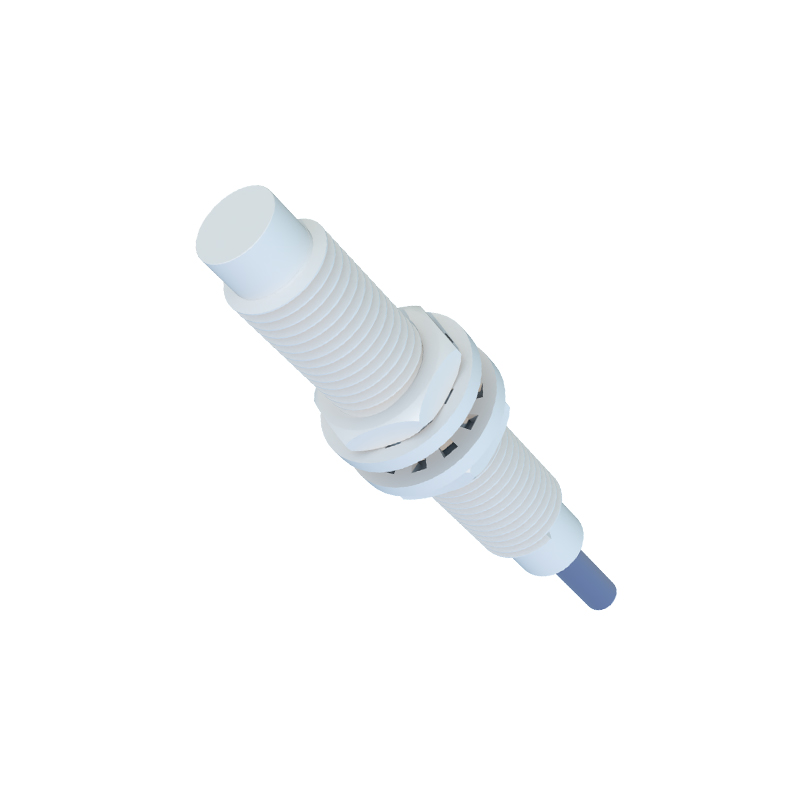
A significant trend among all manufacturers is the integration of smart features and connectivity. Modern proximity sensors are no longer simple binary switches. They are increasingly equipped with IO-Link, a point-to-point serial communication protocol that allows for parameter setting, real-time diagnostics, and process data monitoring. This transforms the sensor from a mere detection device into a valuable source of machine health and process data, facilitating predictive maintenance and reducing downtime. Manufacturers are racing to embed this intelligence into their standard product lines.
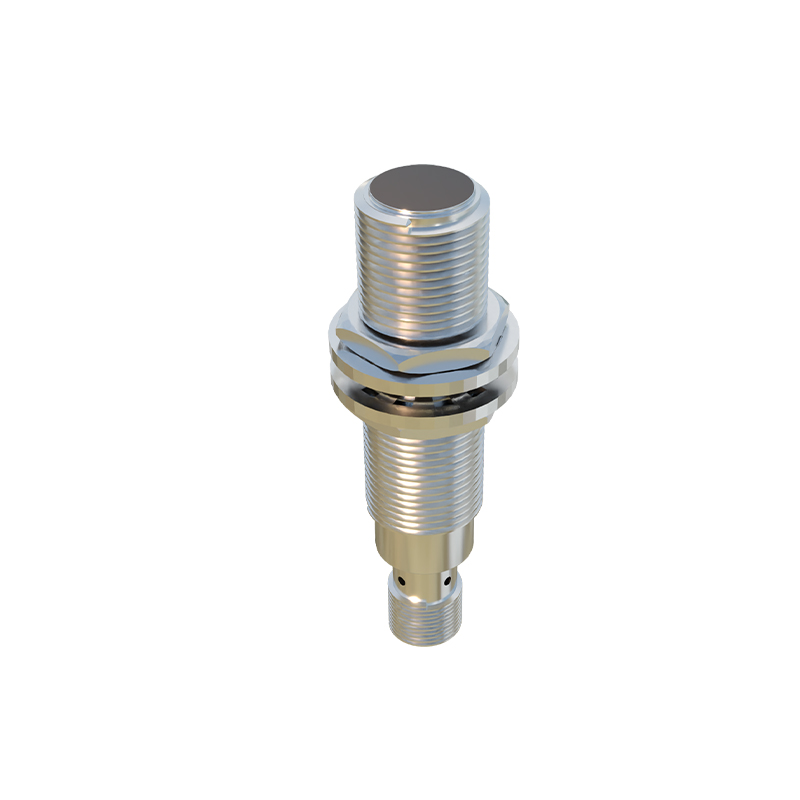
Choosing the right proximity sensor manufacturer depends heavily on the specific application. Key selection criteria include the sensing technology (inductive for metals, capacitive for various materials, ultrasonic for longer ranges and harsh conditions), physical size and housing material (e.g., stainless steel for washdown areas), sensing distance, output type (PNP/NPN, analog, IO-Link), and environmental ratings (IP67, IP69K). A reputable manufacturer will provide comprehensive technical data sheets, application notes, and configuration tools to assist engineers in making the optimal choice.
The future for proximity sensor manufacturers is intrinsically linked to the growth of smart factories and autonomous systems. The demand is shifting towards sensors that are not only accurate and robust but also communicative, energy-efficient, and easier to install and configure. As artificial intelligence and machine vision converge with traditional sensing, we may see the next generation of "smart" proximity sensors capable of simple object discrimination. For now, the market remains dynamic, driven by manufacturers who continuously refine core technologies while integrating the digital capabilities required for the connected industrial world.