In the rapidly evolving landscape of industrial automation, proximity sensors have become indispensable components, enabling machines to detect the presence or absence of objects without physical contact. Among the leading providers of these critical devices, Delixi Electric stands out as a trusted name, delivering high-performance proximity sensors that cater to diverse applications across manufacturing, packaging, logistics, and beyond. This article explores the features, benefits, and applications of Delixi Electric proximity sensors, highlighting why they are a preferred choice for engineers and system integrators worldwide.
Delixi Electric proximity sensors are designed with cutting-edge technology to ensure accurate and reliable detection in challenging environments. These sensors utilize various sensing principles, including inductive, capacitive, and magnetic methods, to suit different material types and operational conditions. Inductive sensors, for instance, are ideal for detecting metallic objects, offering high precision and resistance to environmental factors like dust, moisture, and temperature fluctuations. Capacitive sensors, on the other hand, can detect non-metallic materials such as plastics, liquids, or wood, making them versatile for complex automation tasks. By incorporating robust housing materials and advanced circuitry, Delixi Electric ensures durability and long-term stability, reducing maintenance needs and downtime in industrial settings.
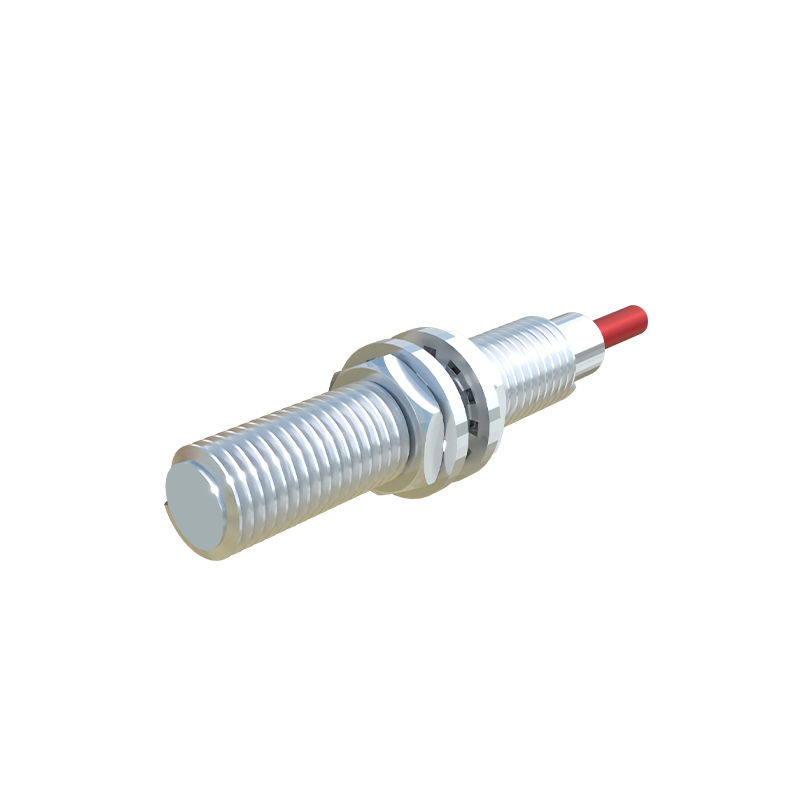
One of the key advantages of Delixi Electric proximity sensors is their ease of integration and user-friendly design. Many models feature adjustable sensing ranges, LED indicators for operational status, and plug-and-play connectivity, simplifying installation and configuration. This flexibility allows for seamless adaptation to existing automation systems, whether in conveyor belts, robotic arms, or safety mechanisms. Additionally, Delixi Electric emphasizes energy efficiency, with low power consumption models that contribute to sustainable operations and cost savings over time. The sensors comply with international standards such as IEC and UL, ensuring safety and compatibility in global markets.
Applications of Delixi Electric proximity sensors span a wide array of industries. In automotive manufacturing, they facilitate precise part positioning and assembly line control, enhancing production speed and quality. In food and beverage processing, their hygienic designs and resistance to washdowns support sanitary operations. Logistics centers rely on these sensors for inventory management and automated sorting, while packaging lines benefit from their rapid response times and accuracy. Beyond industrial uses, Delixi Electric sensors are also employed in building automation for tasks like door control and occupancy sensing, demonstrating their versatility.
Choosing Delixi Electric proximity sensors means investing in reliability backed by extensive research and development. The company offers comprehensive technical support, including documentation, customization options, and after-sales service, to address specific customer needs. As automation continues to advance, Delixi Electric remains committed to innovation, regularly updating its product lines with smart features like IoT connectivity and enhanced diagnostics. For businesses seeking to optimize efficiency and reduce operational risks, these sensors provide a proven solution that balances performance with affordability.
In summary, Delixi Electric proximity sensors represent a fusion of precision engineering and practical design, tailored to meet the demands of modern automation. Their ability to deliver consistent performance under varying conditions makes them a cornerstone in industrial systems, driving productivity and innovation. Whether for small-scale upgrades or large-scale deployments, Delixi Electric offers a reliable pathway to smarter, more responsive automation.