In the realm of industrial automation and smart systems, the photoelectric proximity sensor stands as a pivotal component, enabling non-contact detection with remarkable precision and reliability. Unlike mechanical switches or capacitive sensors, this device operates on the principle of light beam modulation, offering solutions for diverse and challenging environments.
At its core, a photoelectric proximity sensor consists of a light emitter, typically an LED or laser diode, and a photoreceiver, such as a phototransistor or photodiode. The emitter projects a focused beam of light—often infrared, visible red, or laser—toward a target area. When an object enters this predefined zone, it interacts with the light beam. Depending on the sensor type, this interaction can involve the object reflecting the light back to the receiver (reflective mode), breaking a beam between separate emitter and receiver units (through-beam mode), or reflecting light back to a receiver co-located with the emitter (diffuse reflective mode). The receiver detects changes in light intensity, phase, or time-of-flight, converting these optical signals into electrical outputs that trigger control actions.
One of the standout features of photoelectric sensors is their versatility in sensing ranges. Through-beam sensors can detect objects over distances of tens of meters with high accuracy, while diffuse reflective models are ideal for shorter ranges where mounting space is limited. Advanced versions incorporate background suppression technology, which ignores distant objects or reflective surfaces, and polarized filters to reduce false triggers from shiny materials. This adaptability makes them suitable for applications ranging from packaging lines and material handling to automotive assembly and pharmaceutical production.
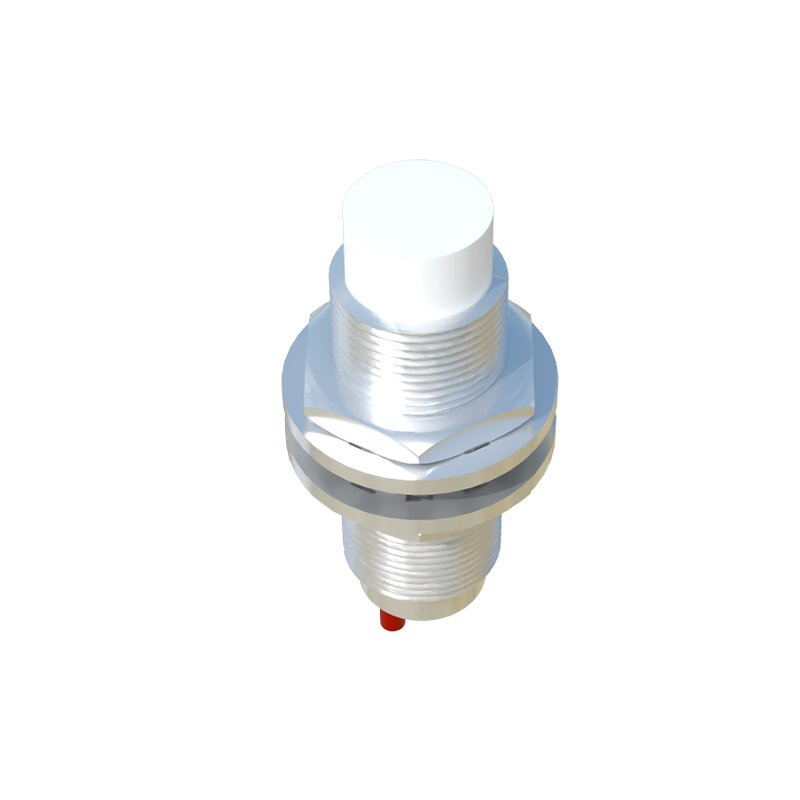
Durability and environmental resistance further enhance their appeal. Encased in robust housings made of stainless steel or engineered plastics, these sensors withstand harsh conditions including dust, moisture, vibration, and extreme temperatures. Many models feature IP67 or higher ingress protection ratings, ensuring reliable operation in washdown environments or outdoor settings. Additionally, their non-contact nature eliminates mechanical wear, leading to longer service life and reduced maintenance costs compared to tactile switches.
In practical applications, photoelectric proximity sensors excel in tasks such as object counting, position verification, edge detection, and level monitoring. For instance, in conveyor systems, they detect jams or missing items by sensing the presence of products. In automated storage, they ensure precise positioning of robotic arms. The advent of miniaturized and IO-Link enabled sensors has further integrated them into Industry 4.0 frameworks, allowing for real-time data exchange and predictive maintenance.
Selecting the right sensor involves considering factors like sensing distance, target material (opaque, transparent, or colored), response time, and environmental interferences. For transparent object detection, sensors with high-gain receivers or specialized coatings are recommended. In high-speed applications, fast-response models with microseconds switching times are crucial to maintain throughput.
Despite their advantages, challenges such as optical interference from ambient light or cross-talk in dense installations can arise. Modern designs address these through modulated light signals, narrow-beam optics, and programmable sensitivity settings. Regular lens cleaning and proper alignment during installation also mitigate performance issues.
As technology evolves, photoelectric sensors continue to advance with features like longer ranges, smarter diagnostics, and enhanced connectivity. They remain indispensable in building efficient, automated systems, bridging the gap between physical objects and digital control. Whether in factory floors or everyday devices, their ability to "see" without touch underpins innovation across industries, driving productivity and safety forward.